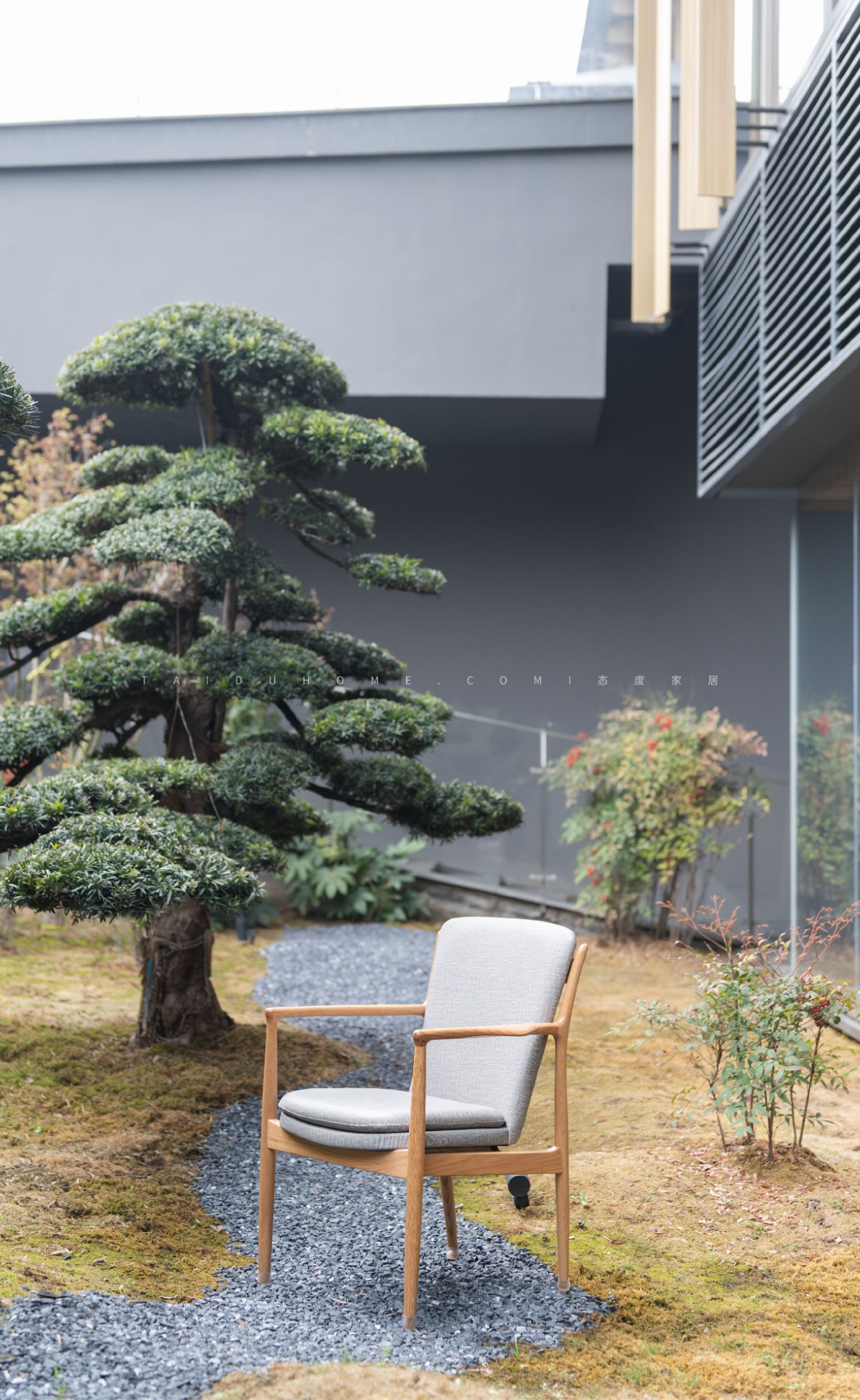
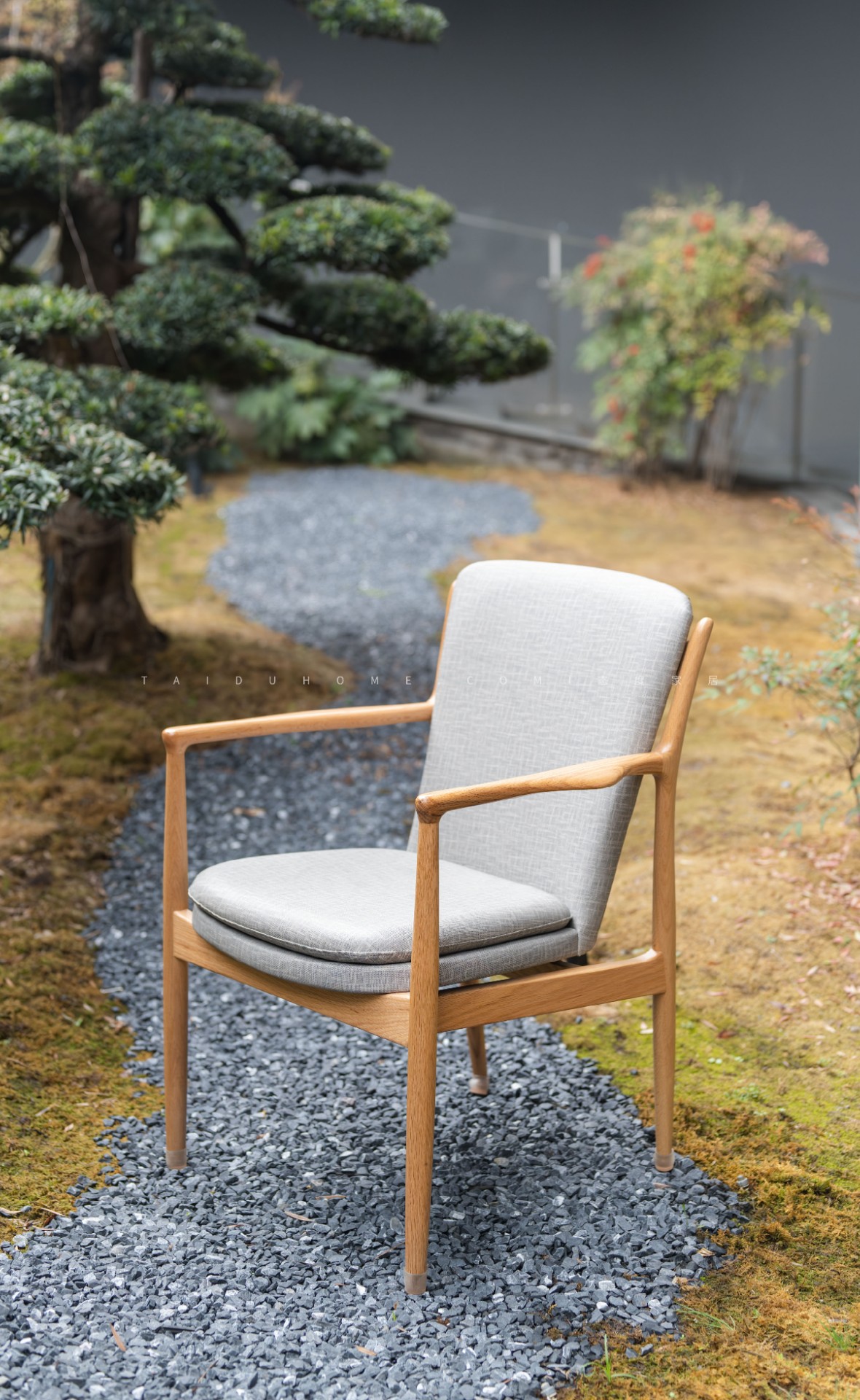
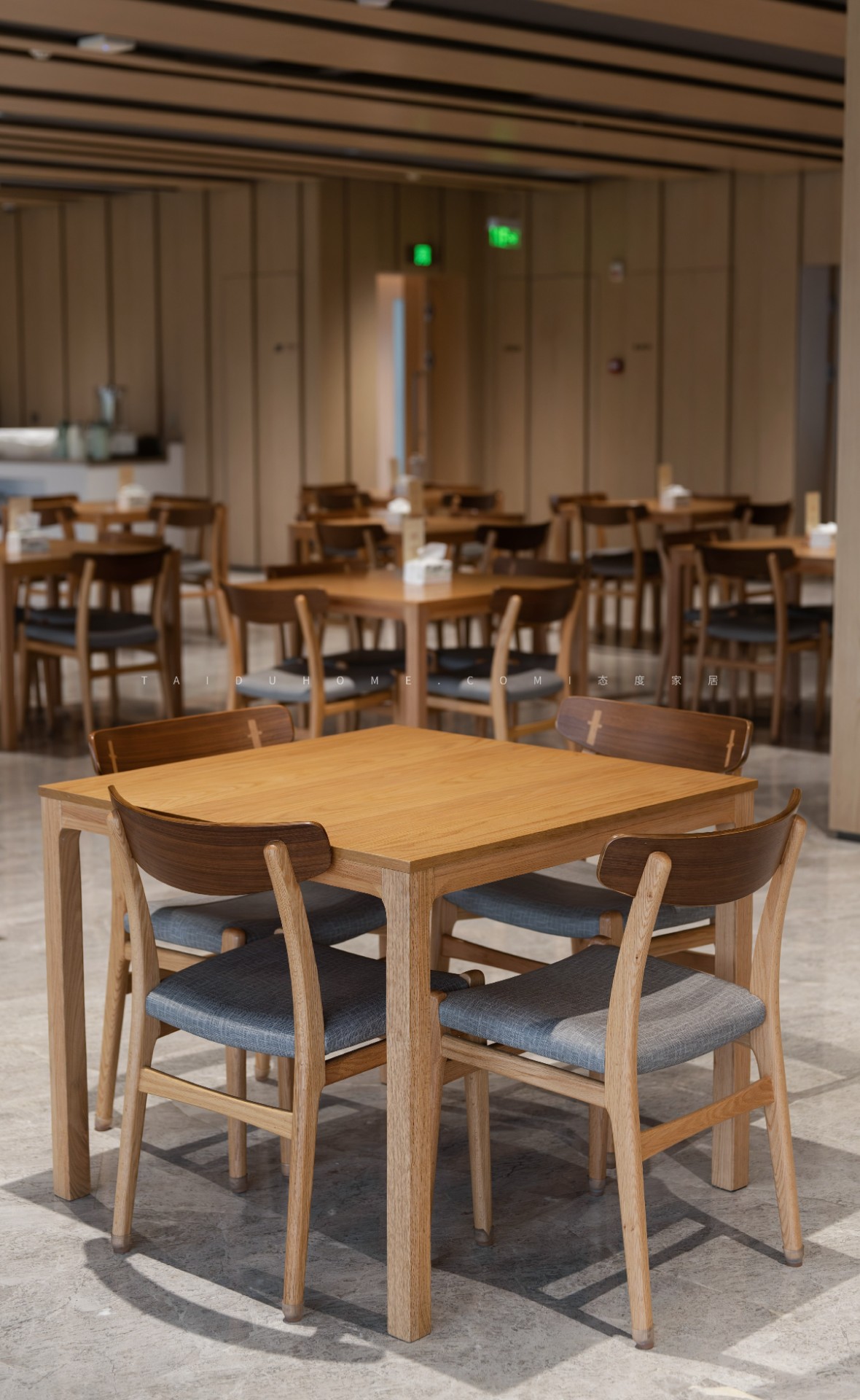
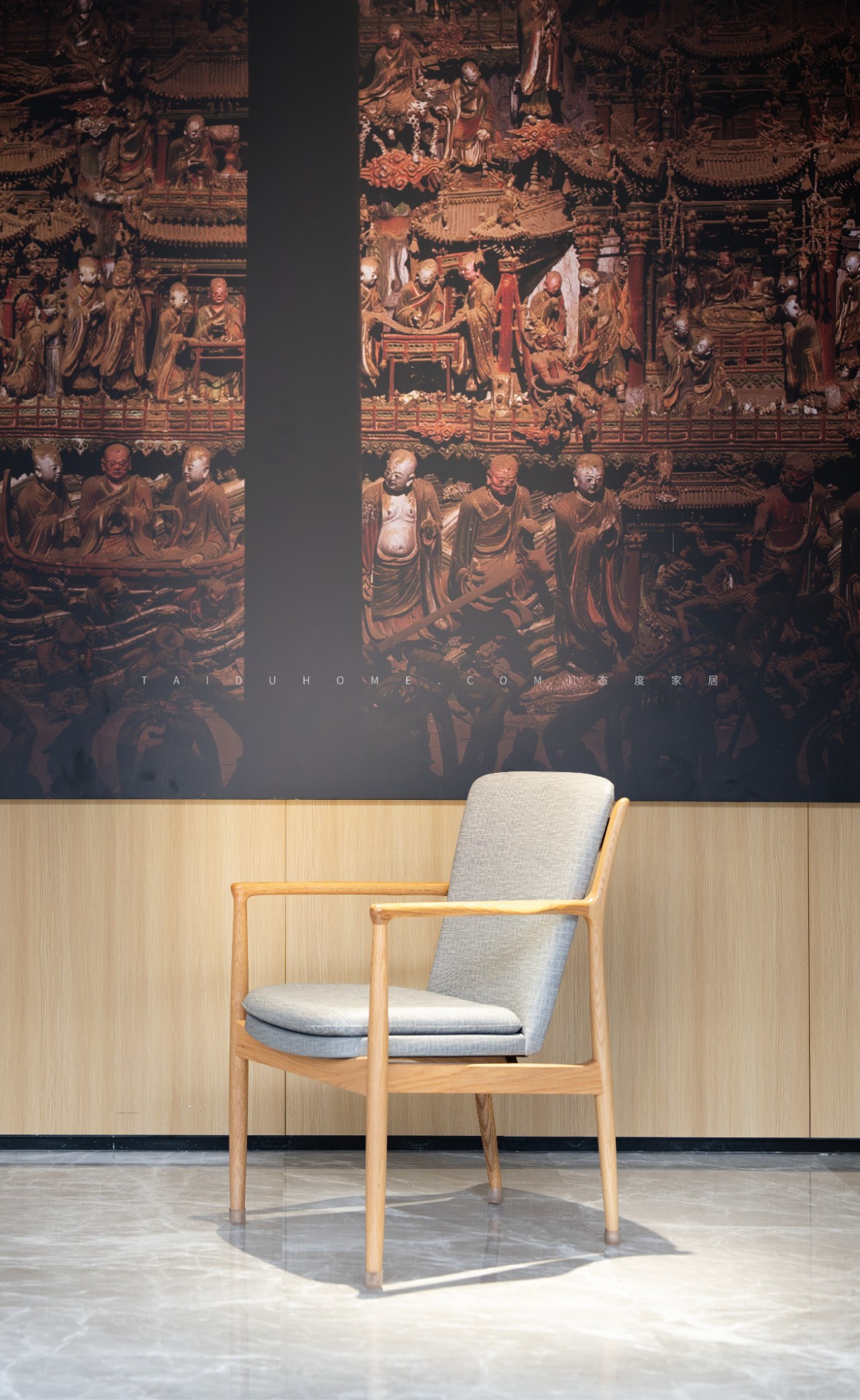
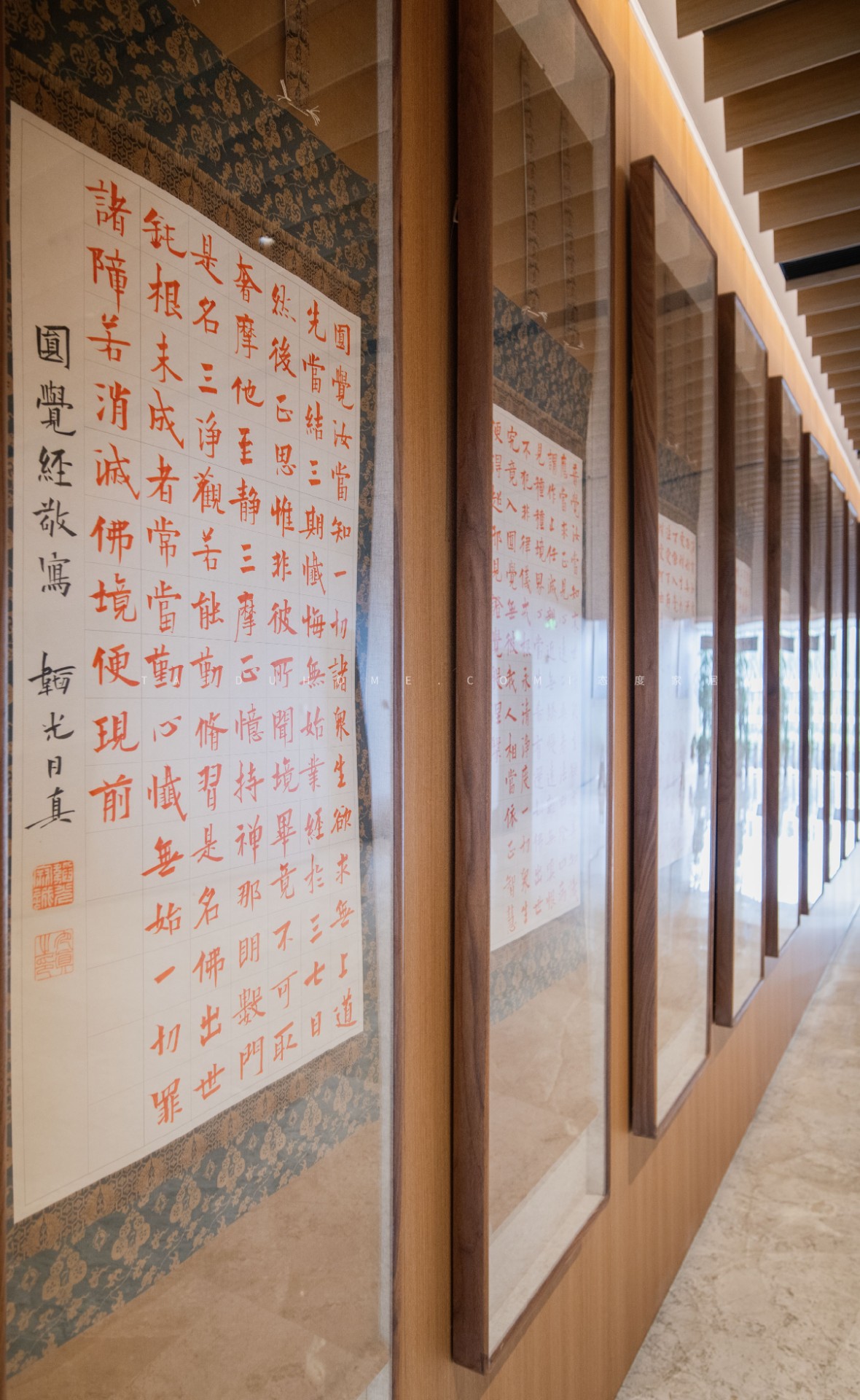
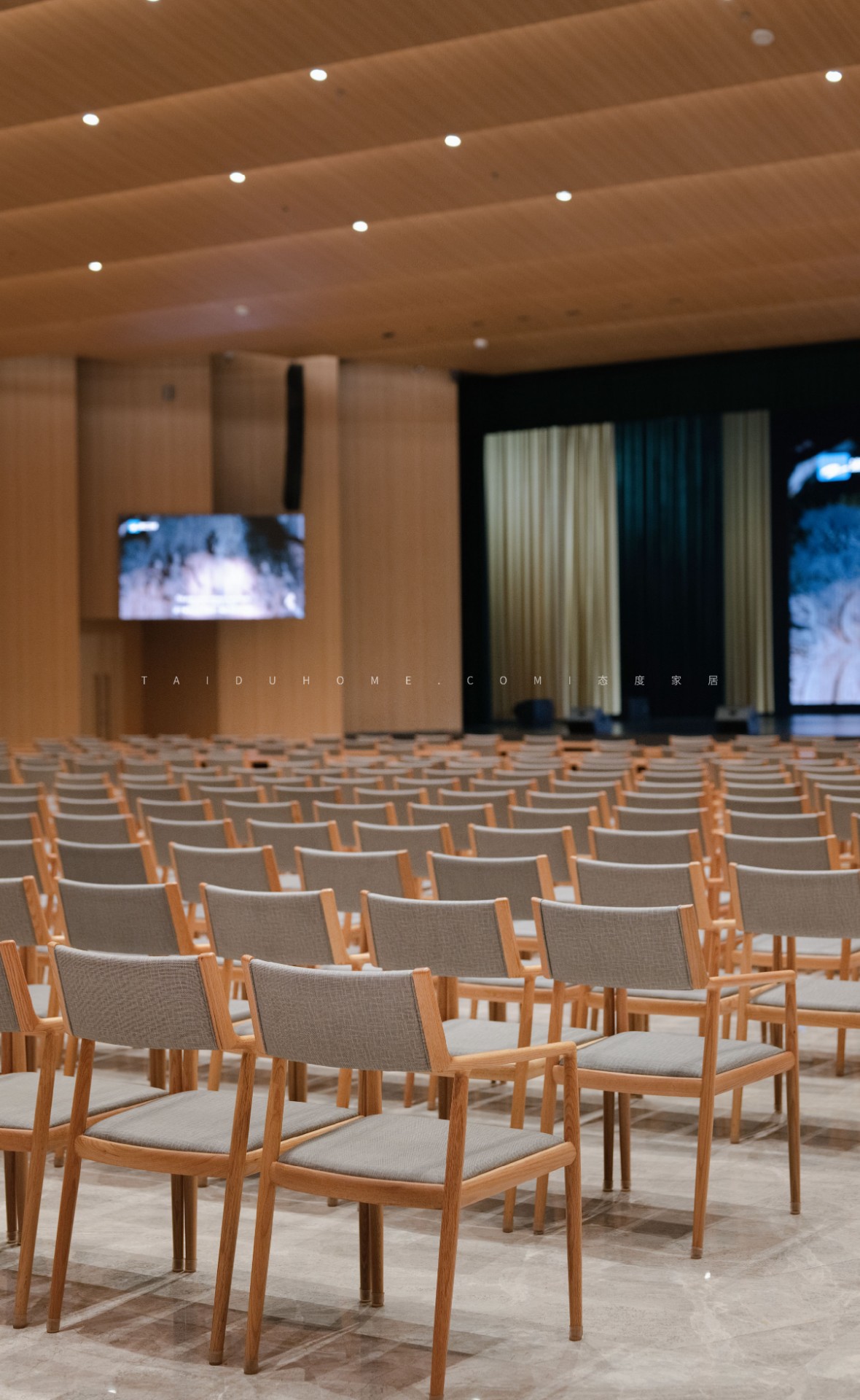
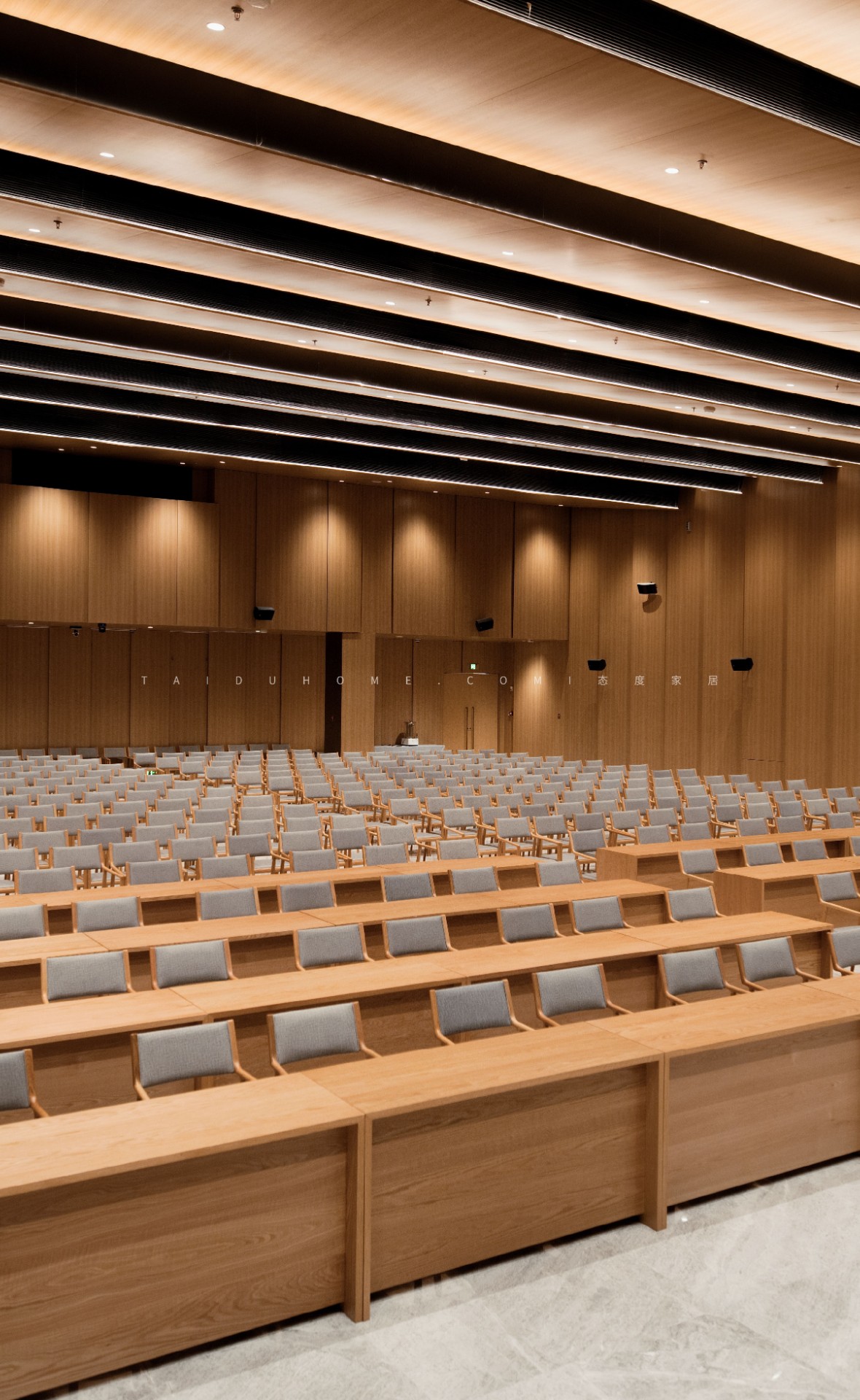
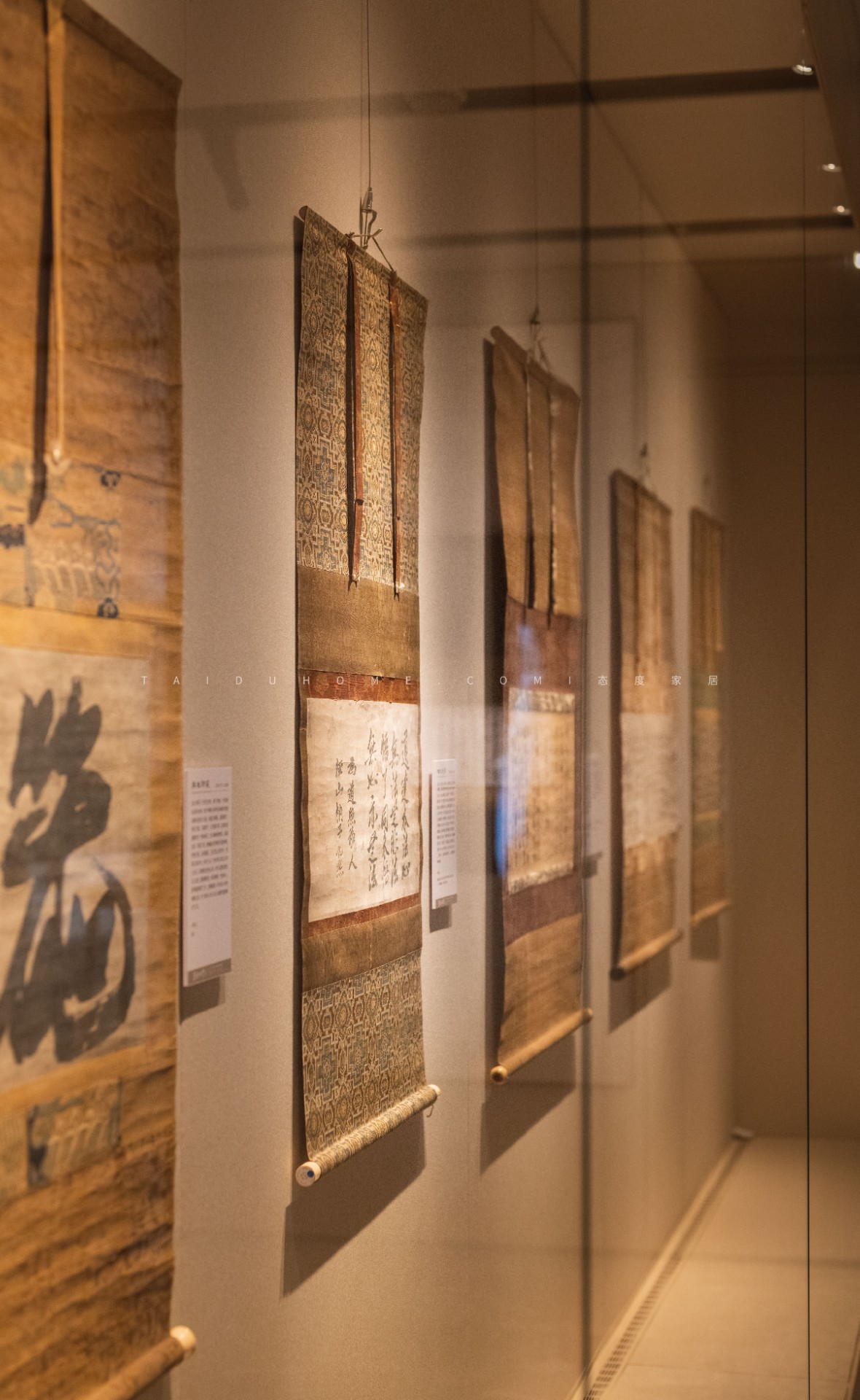
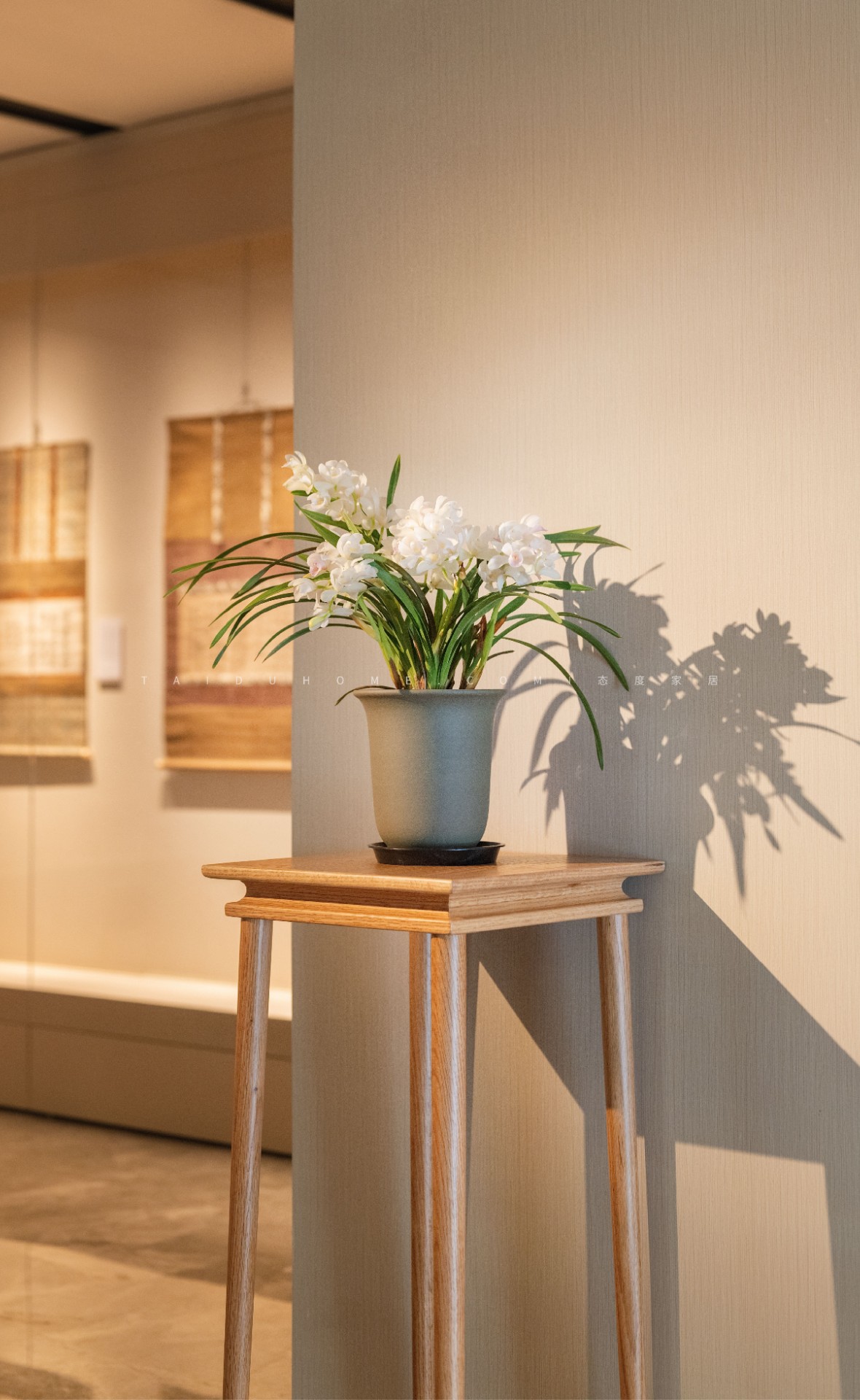
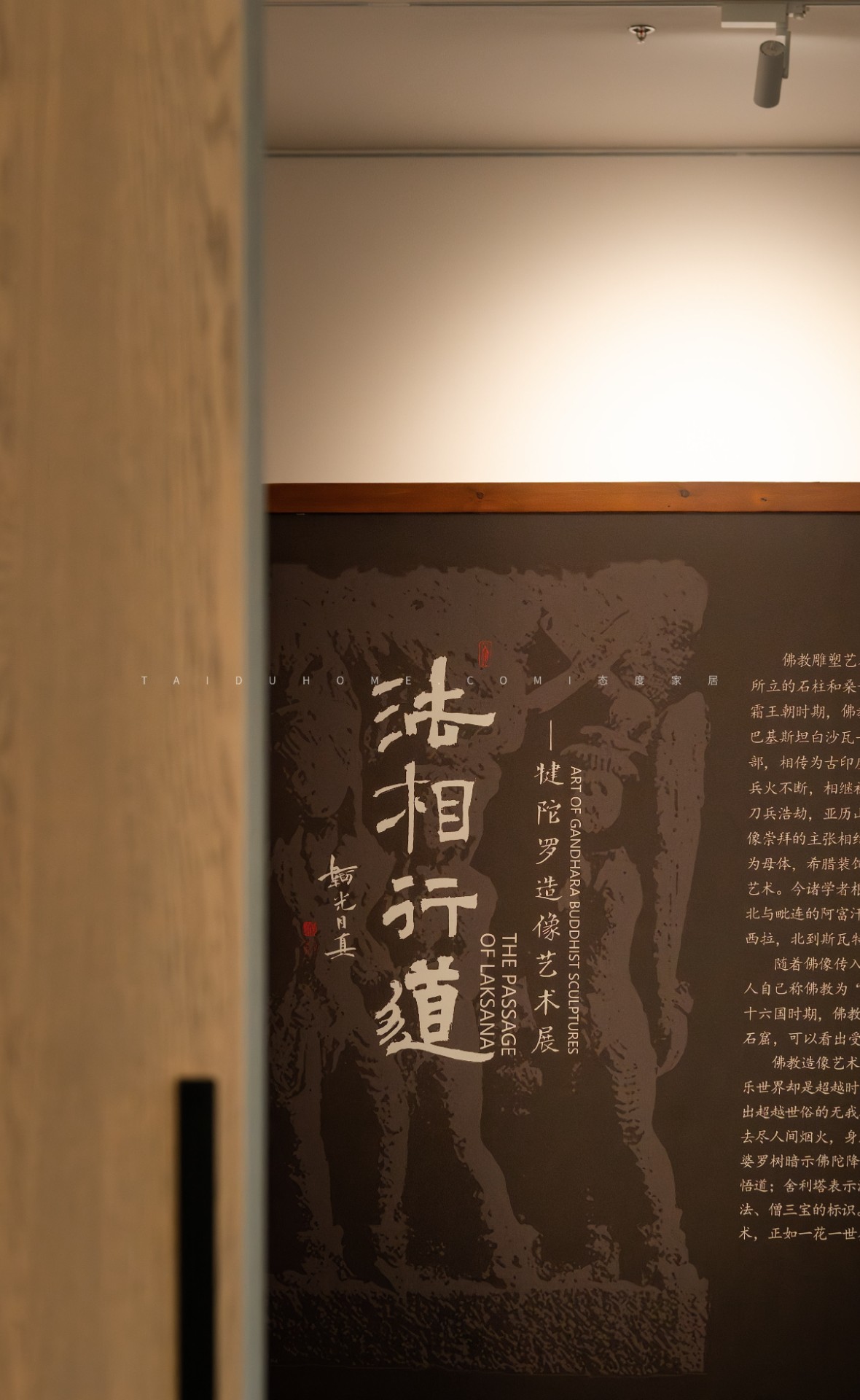
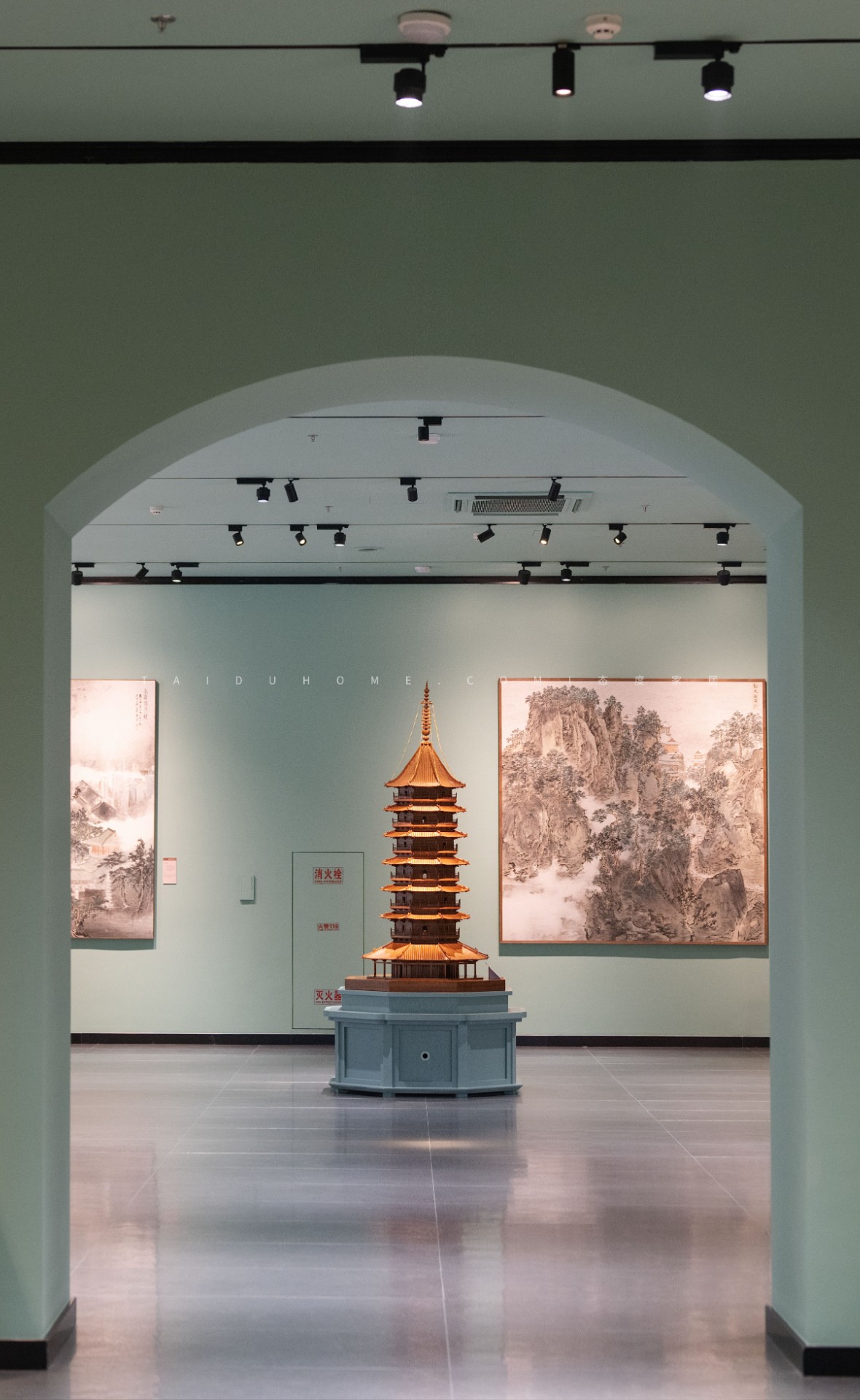
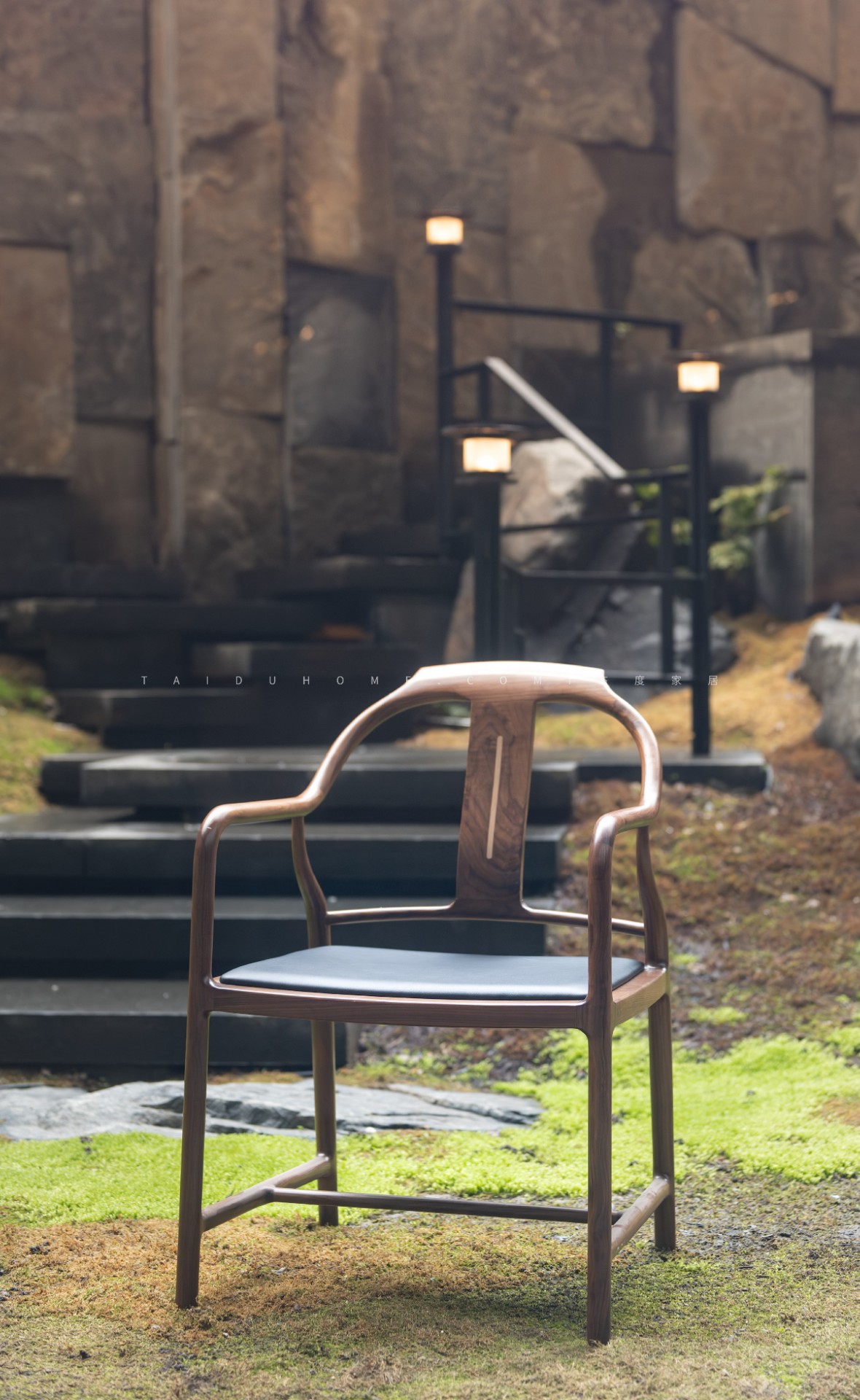
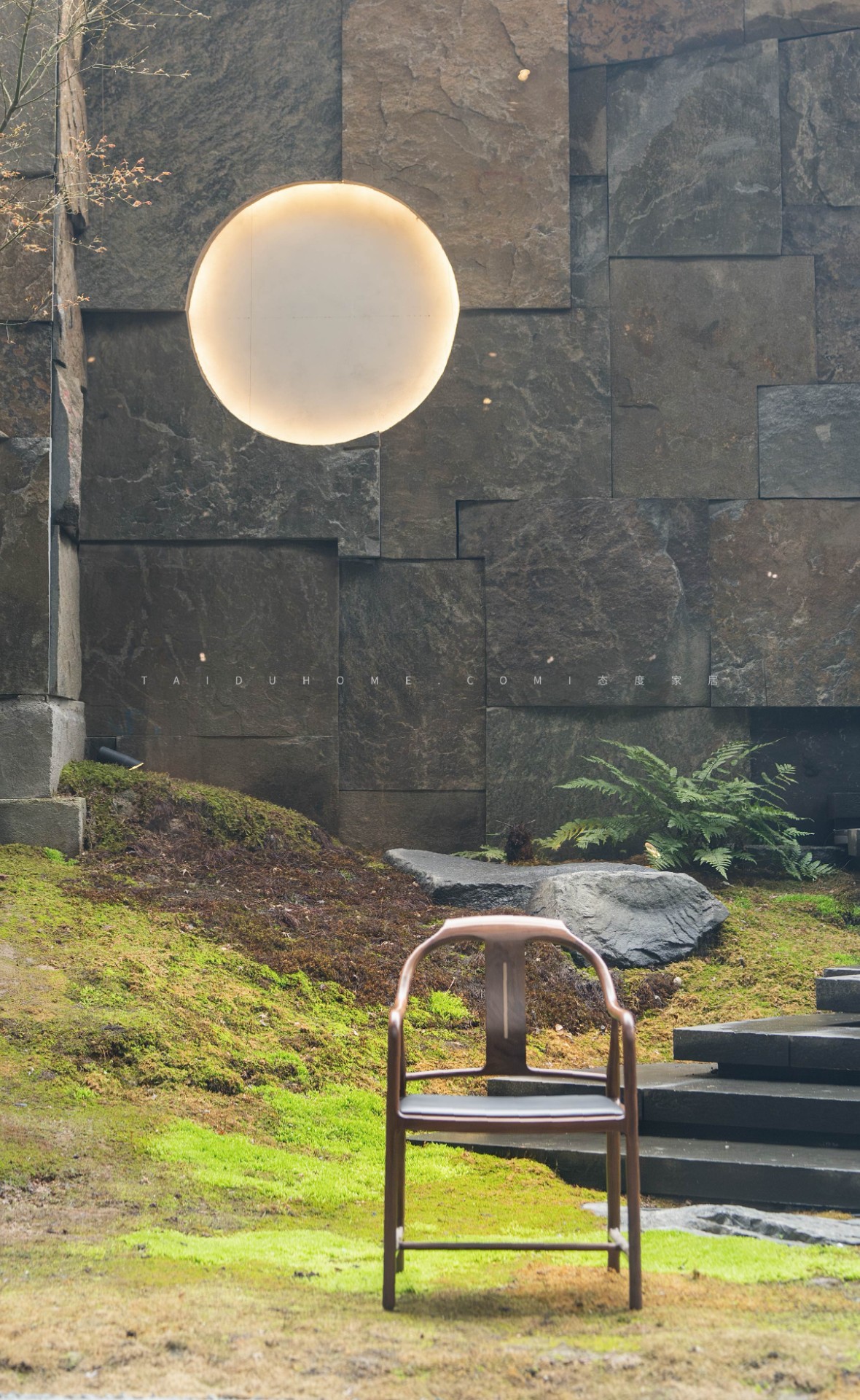
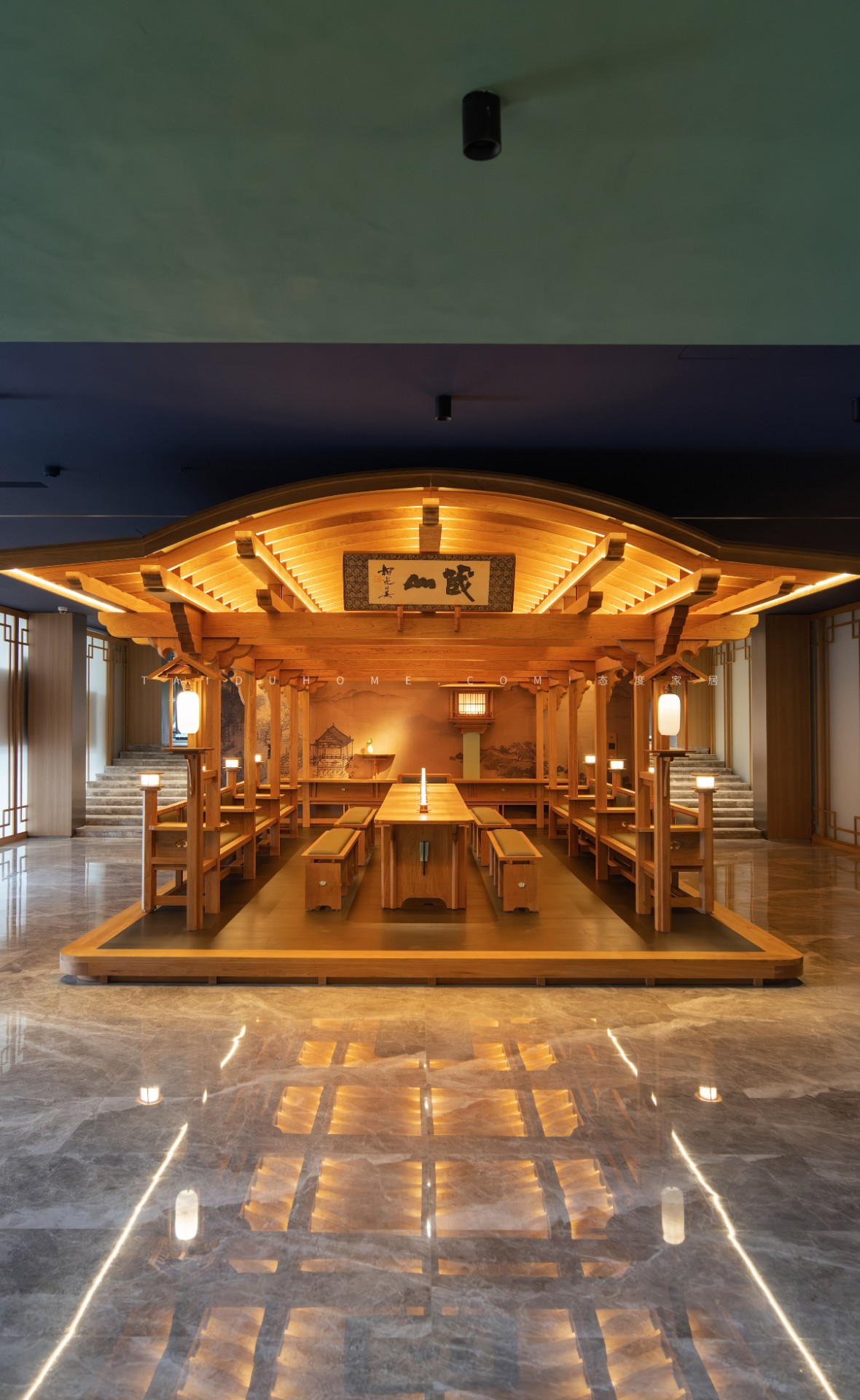
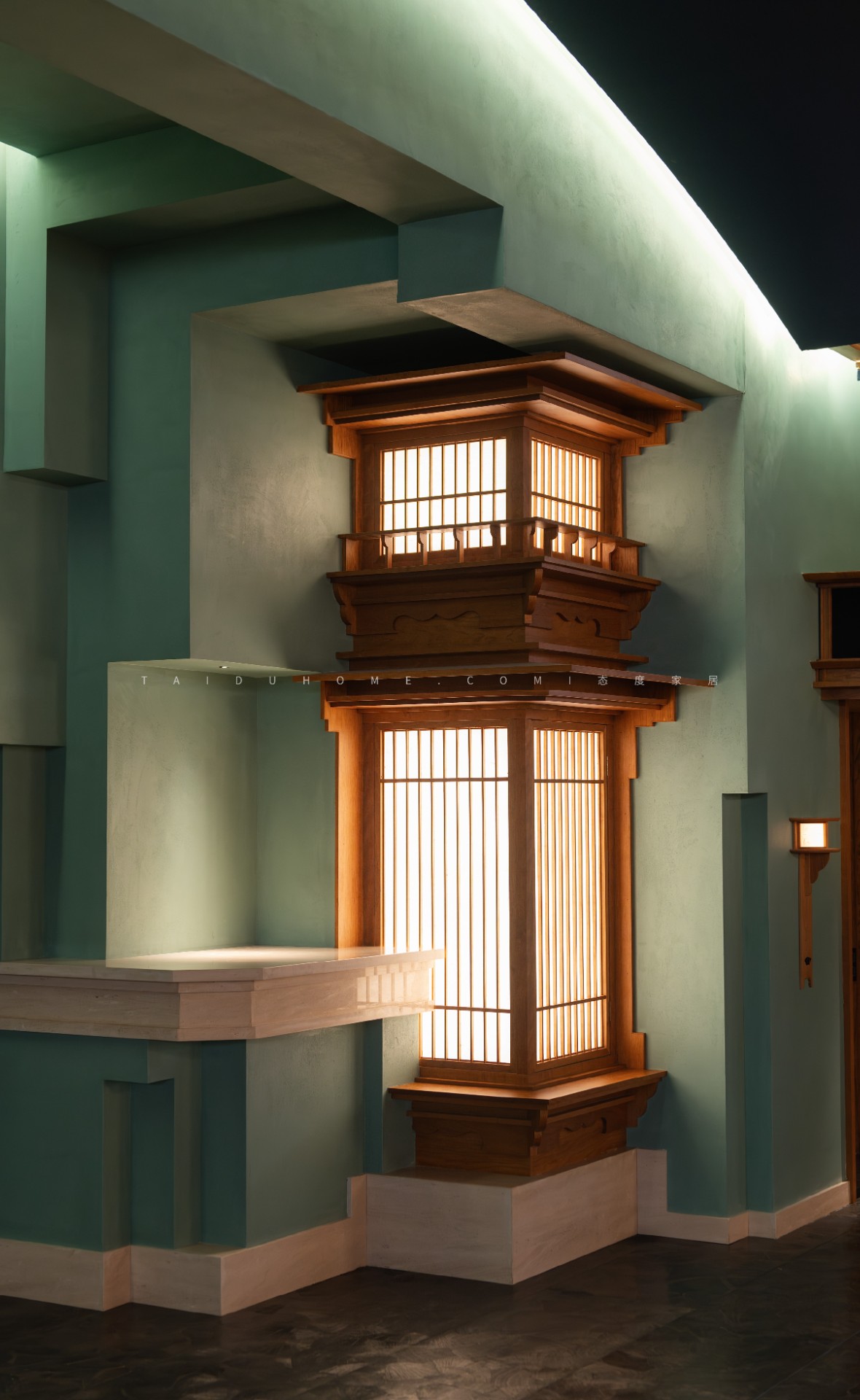
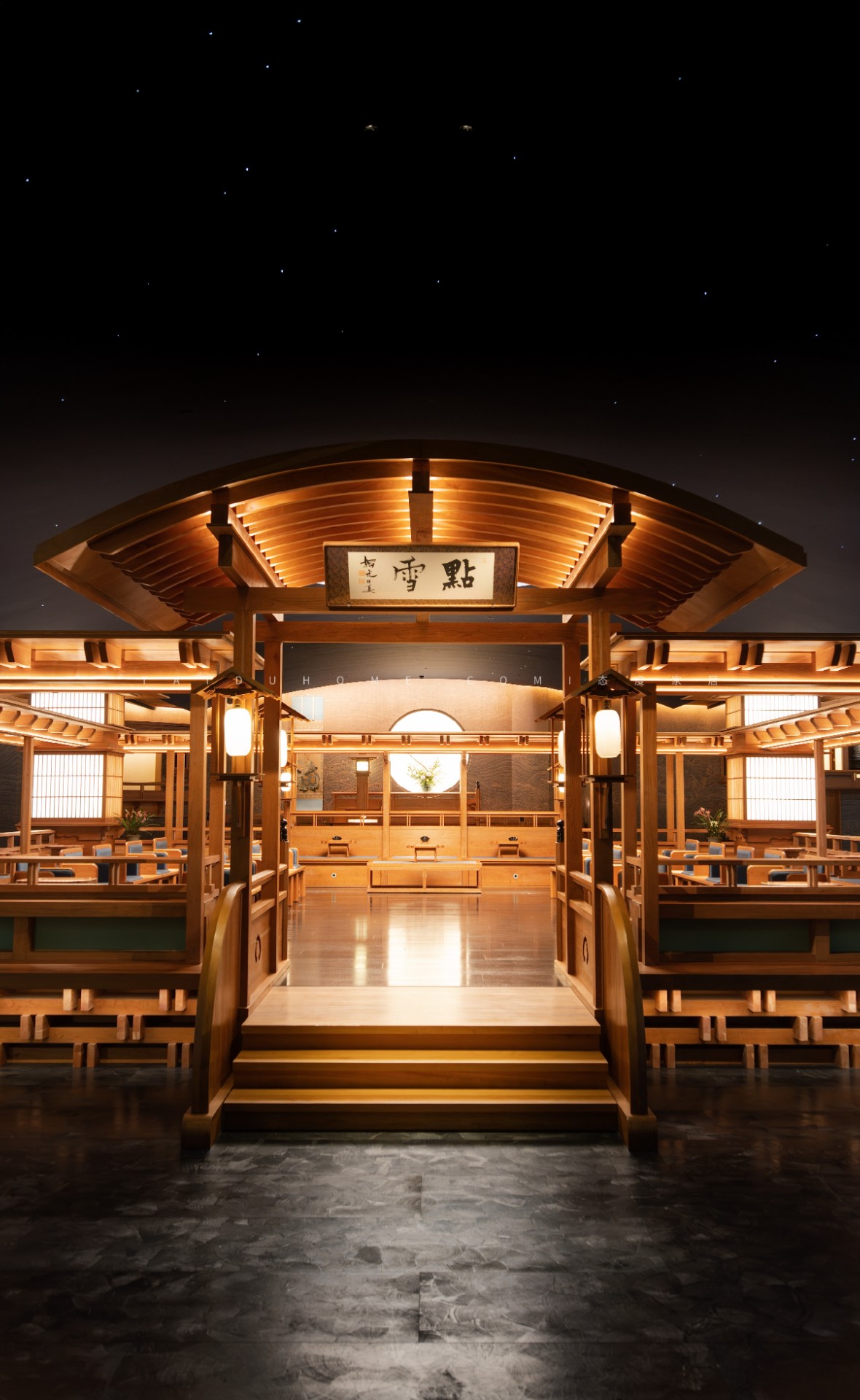
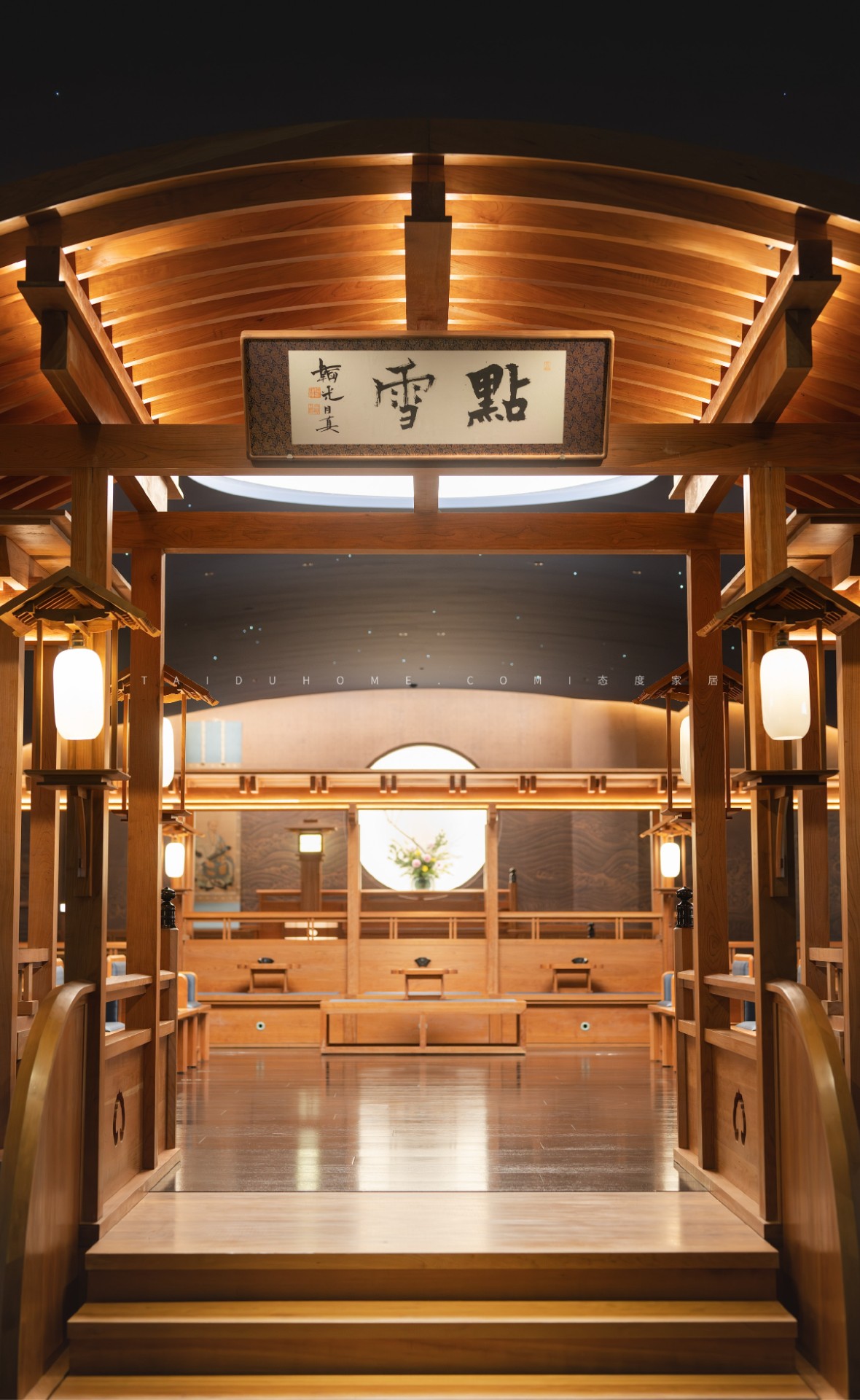
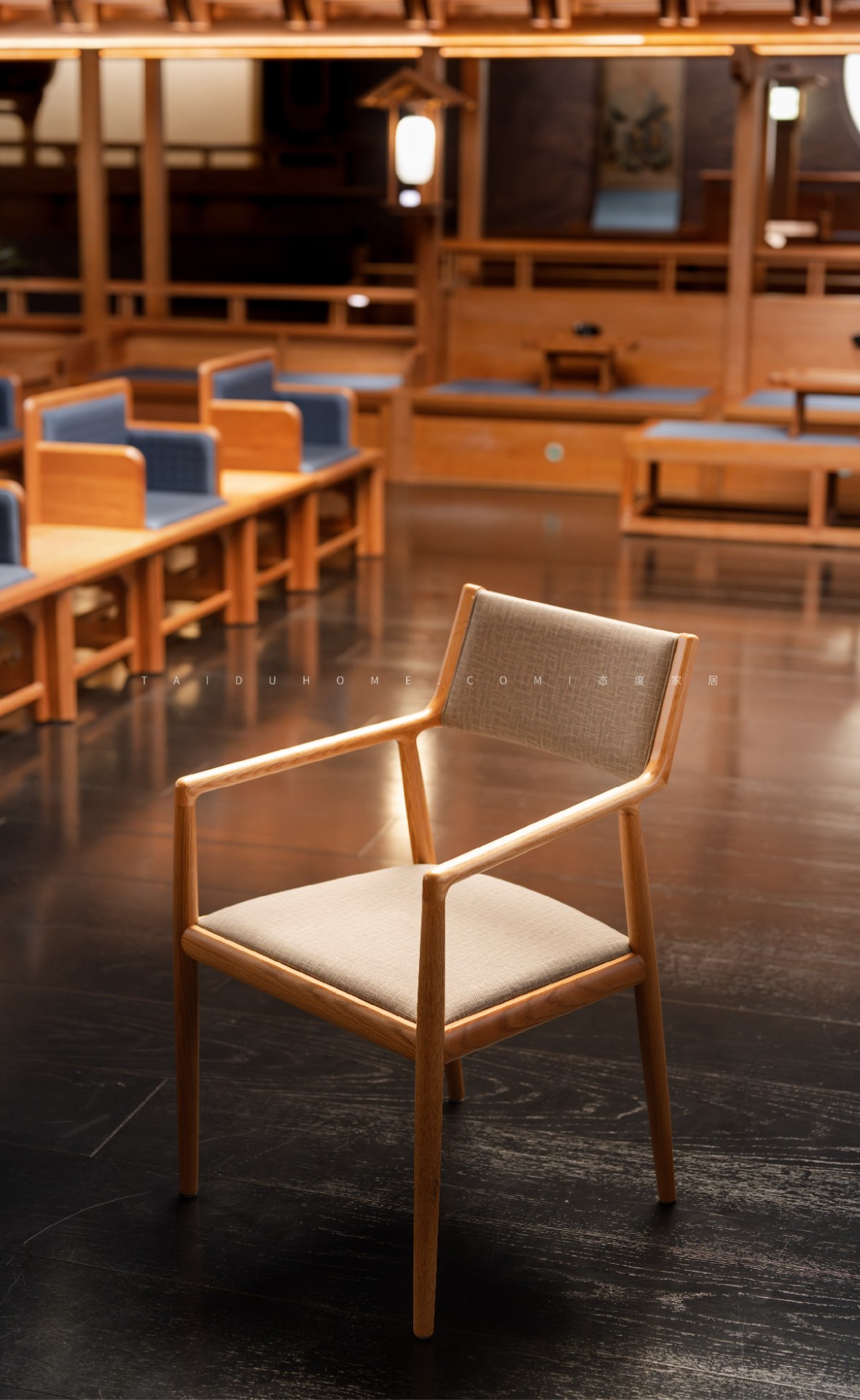
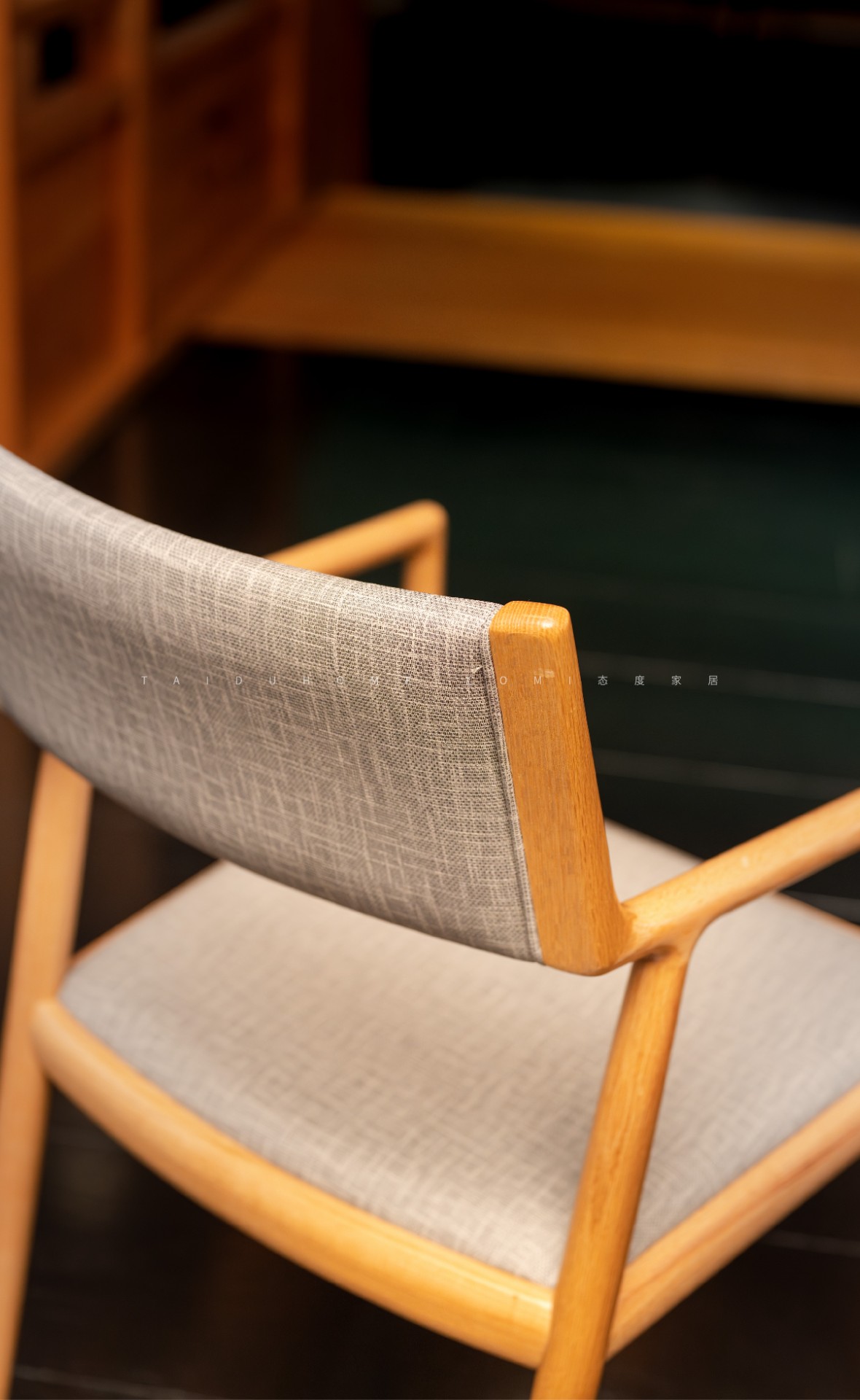
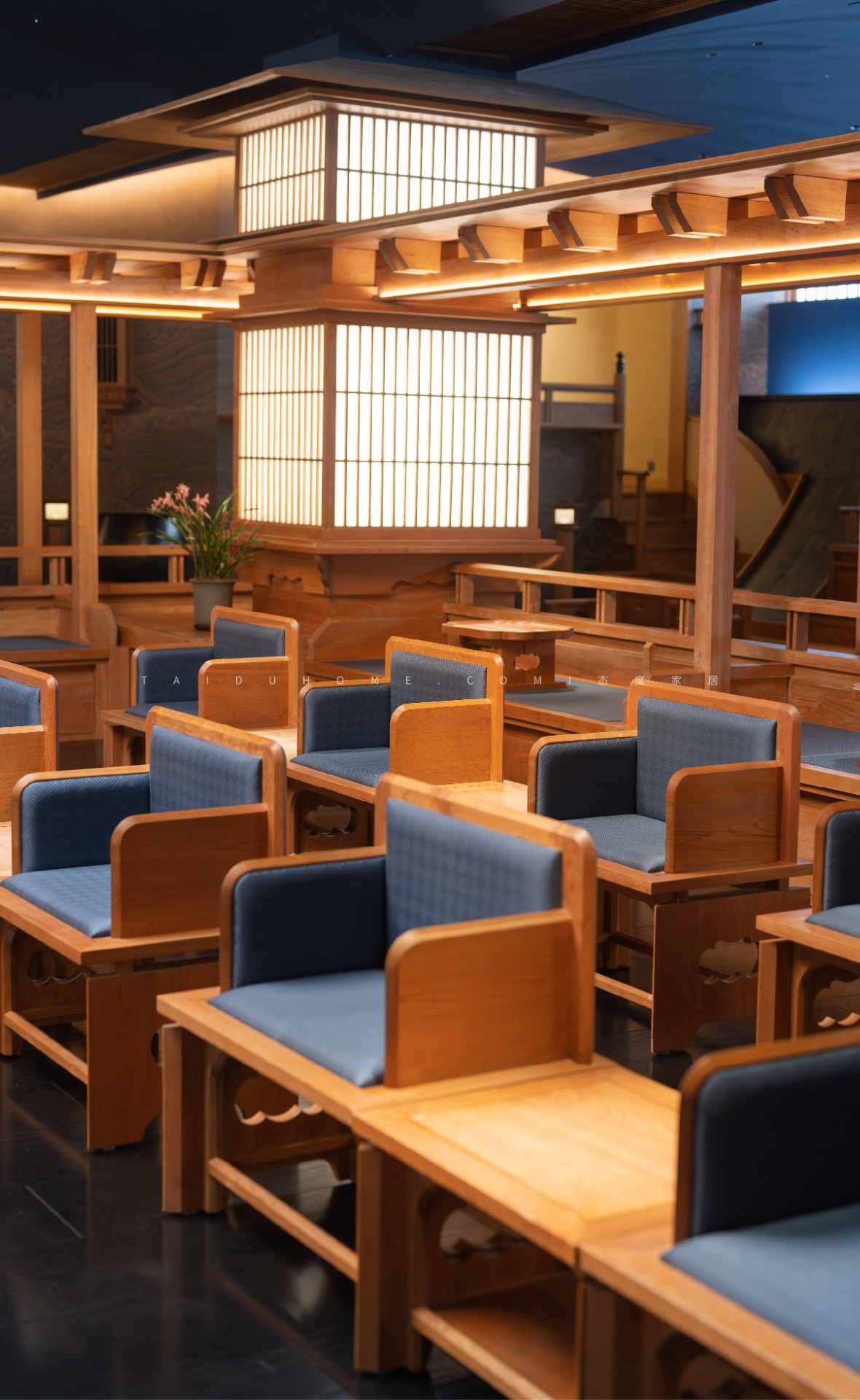
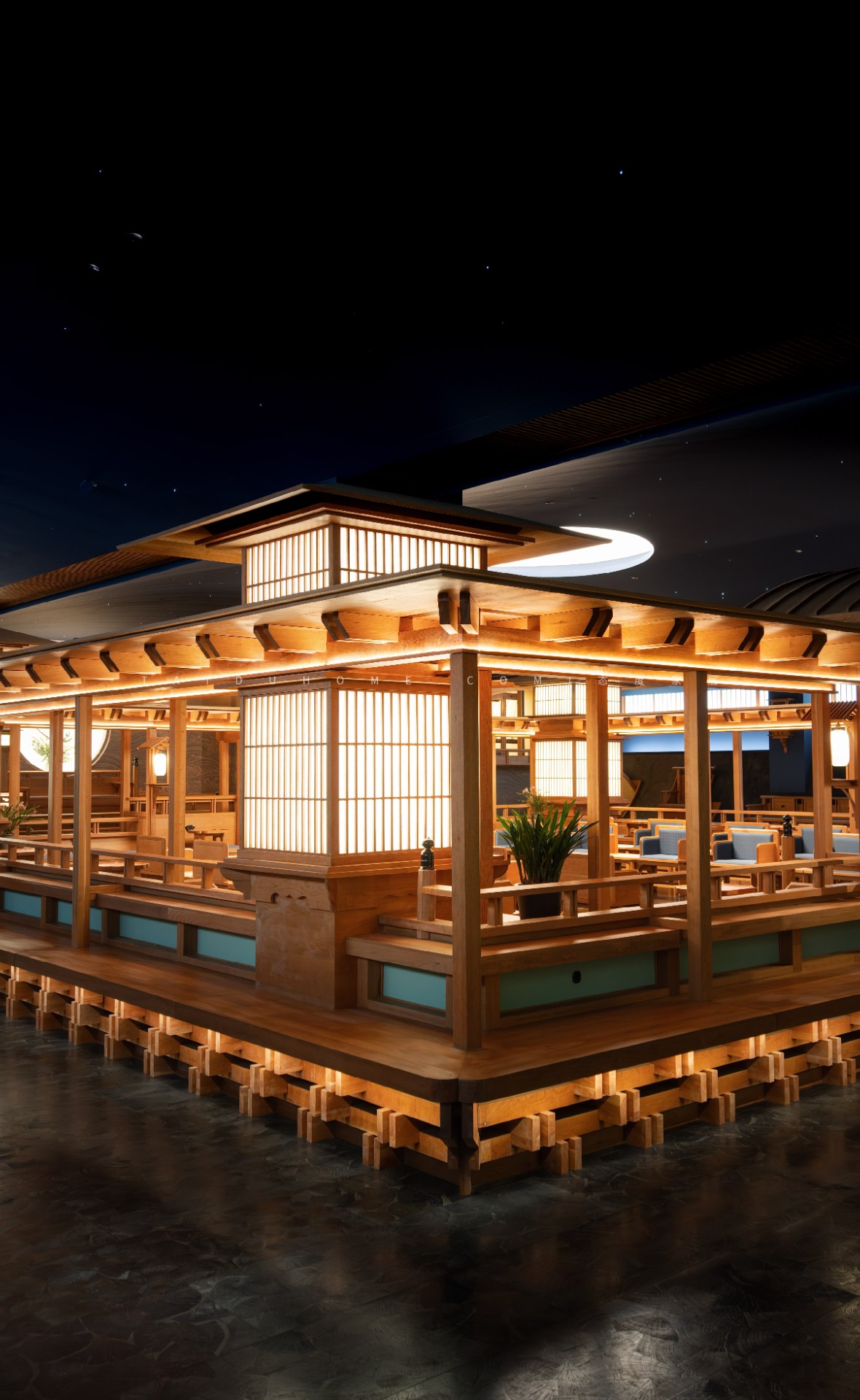
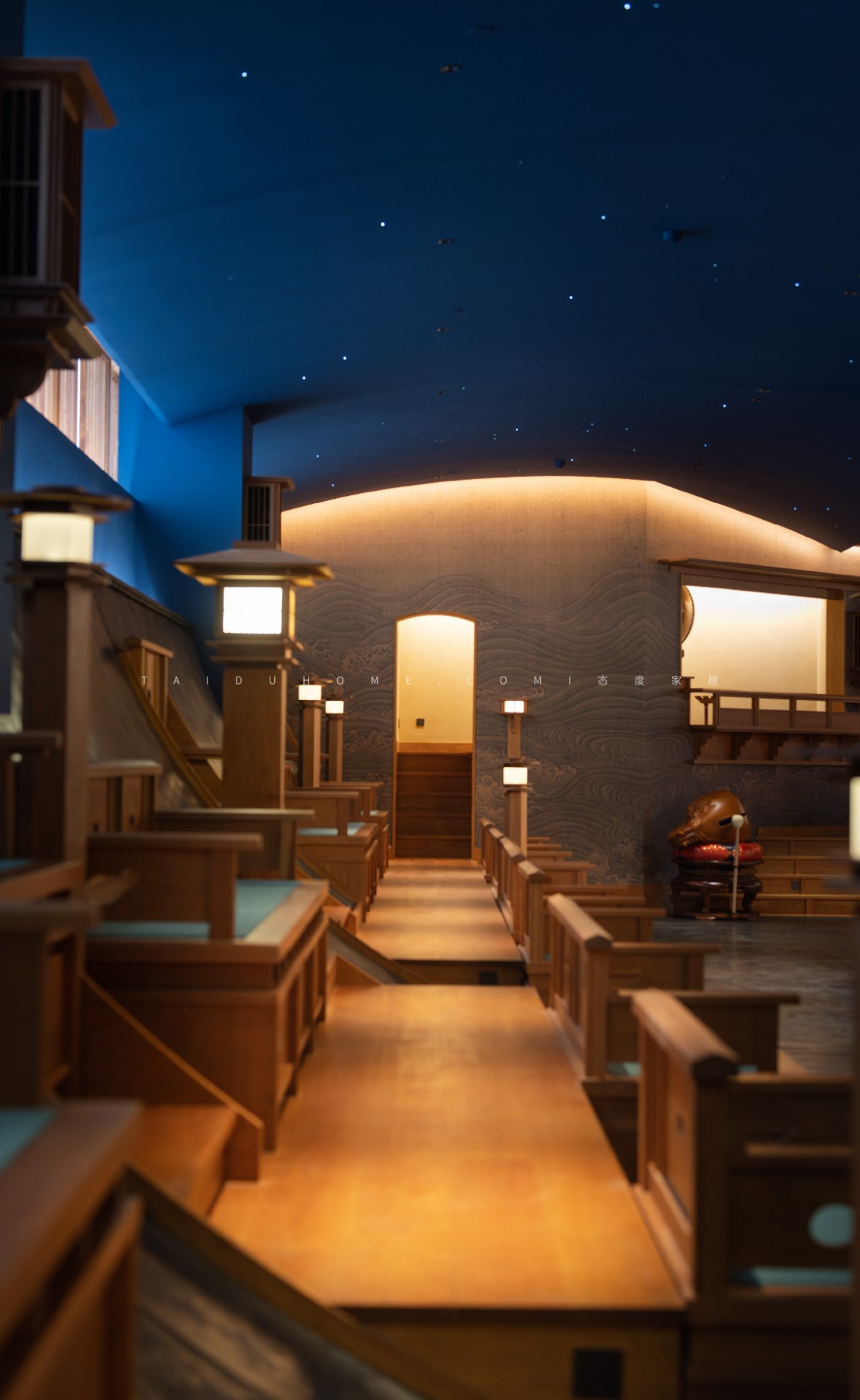
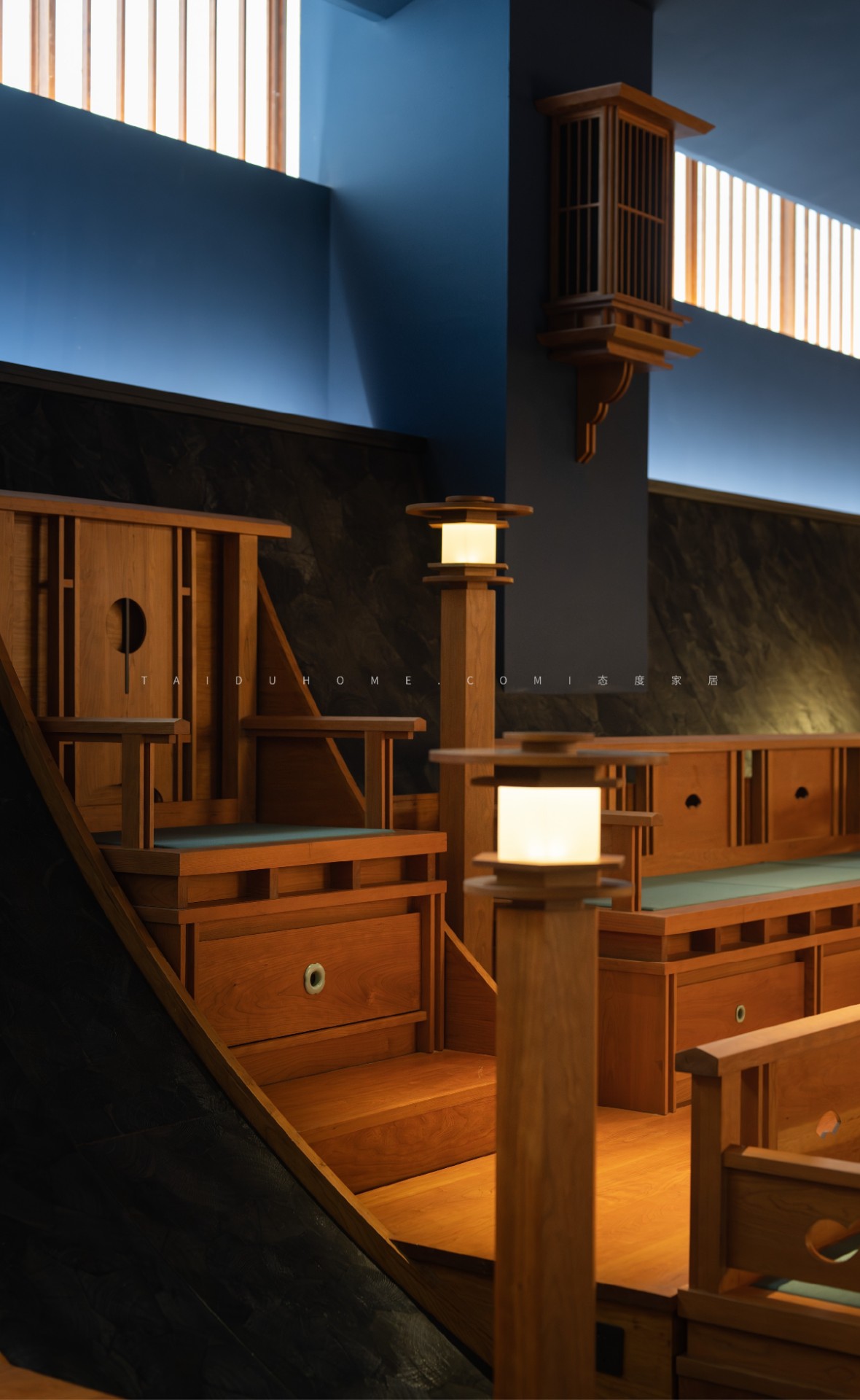
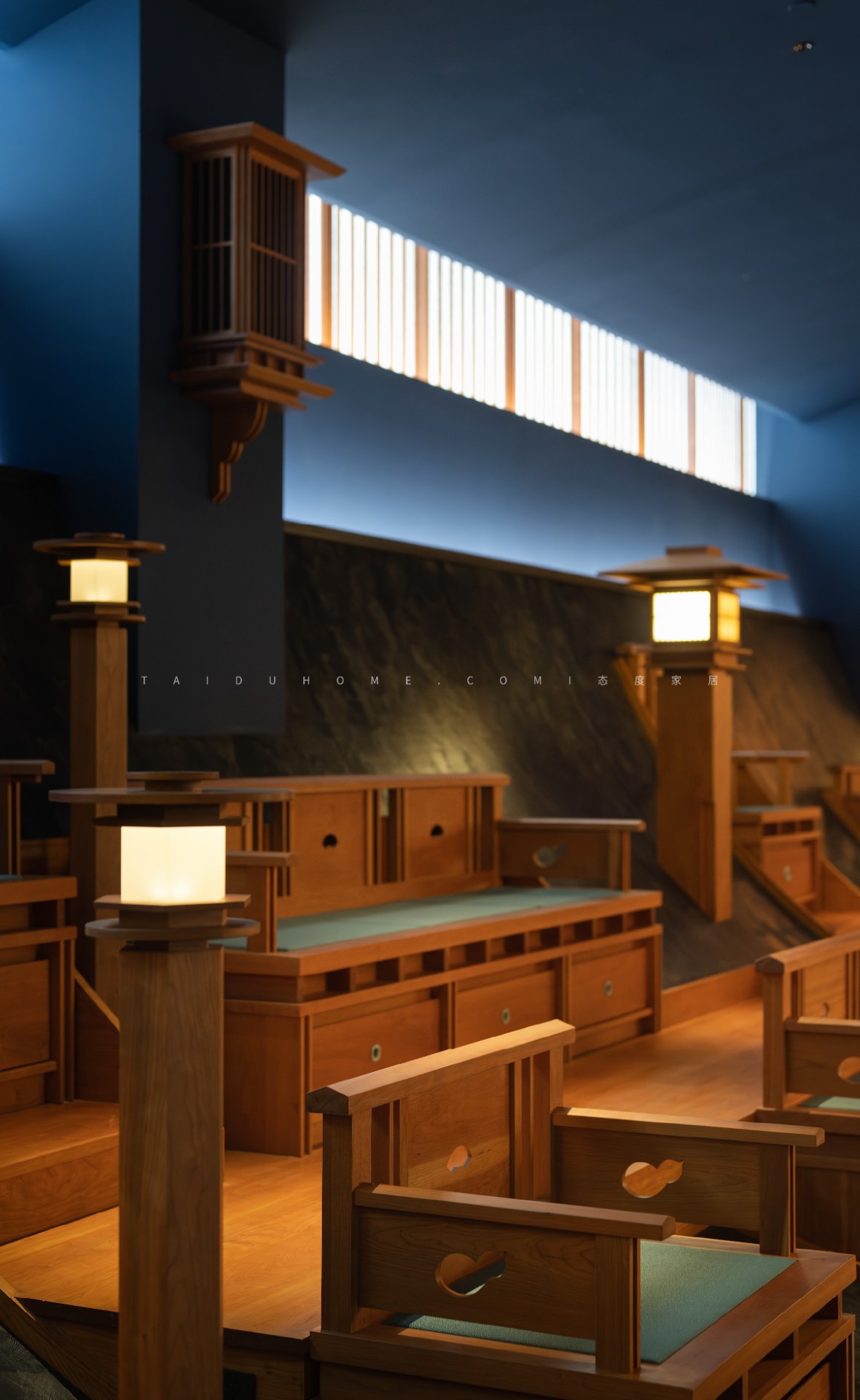
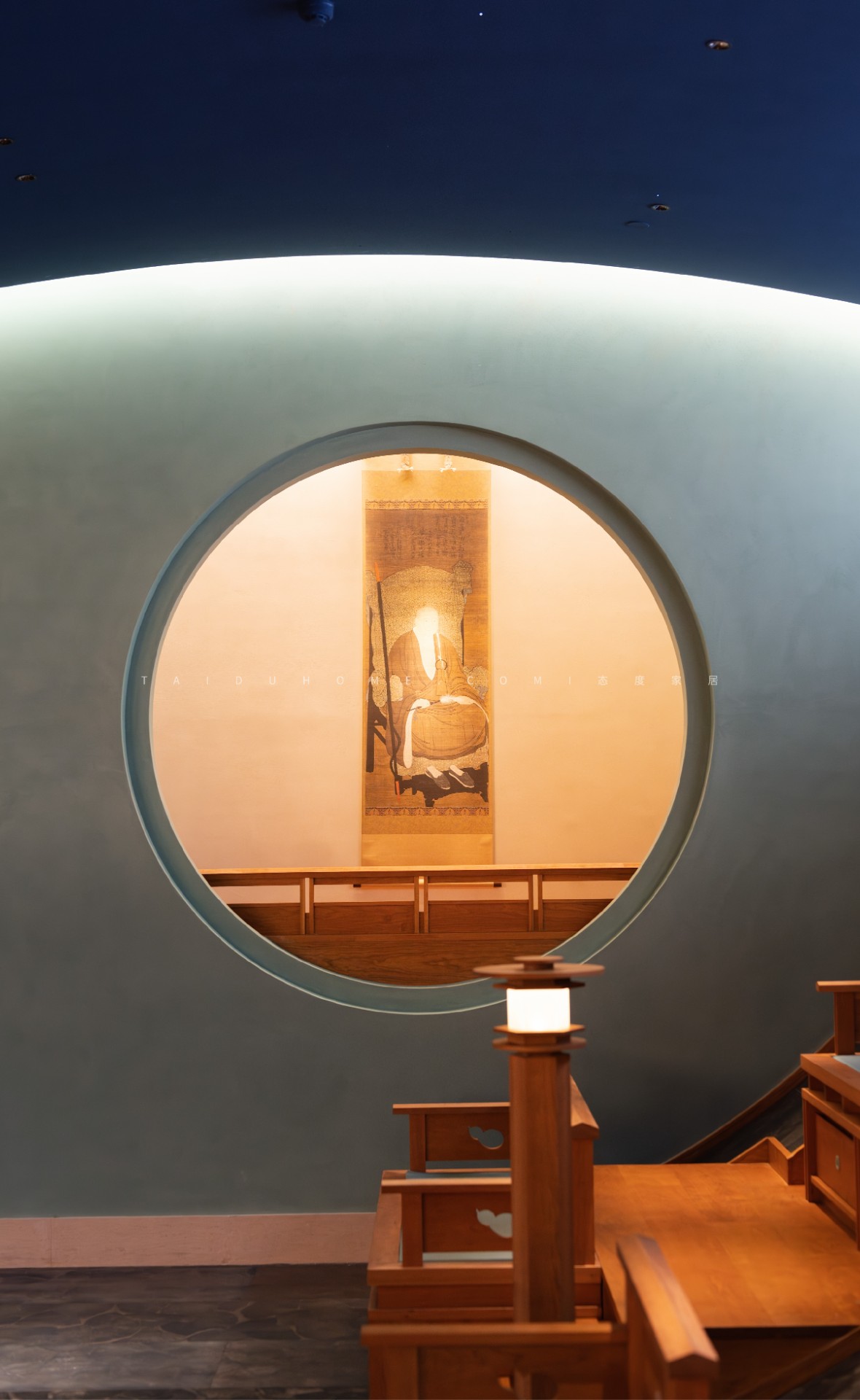
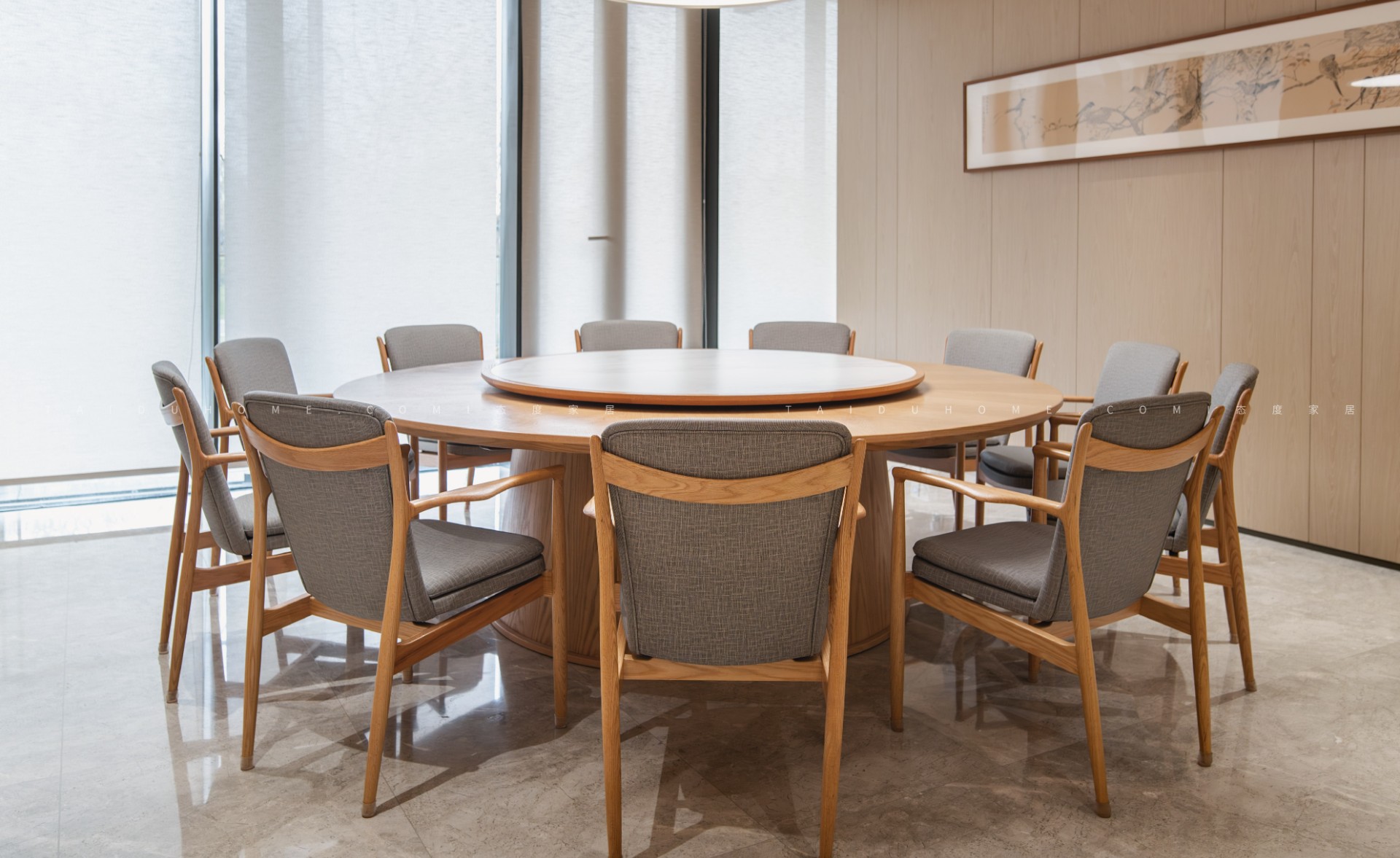
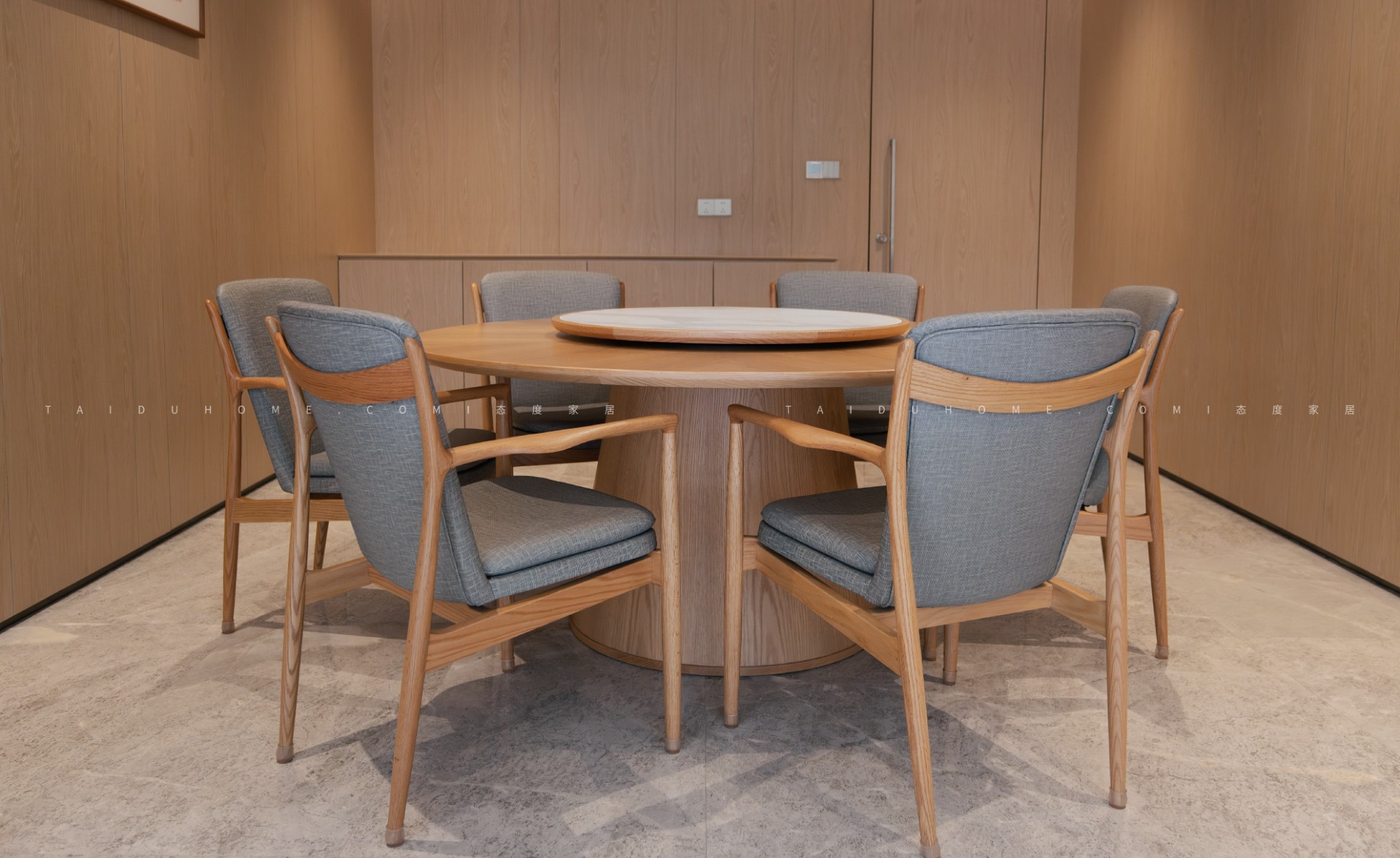
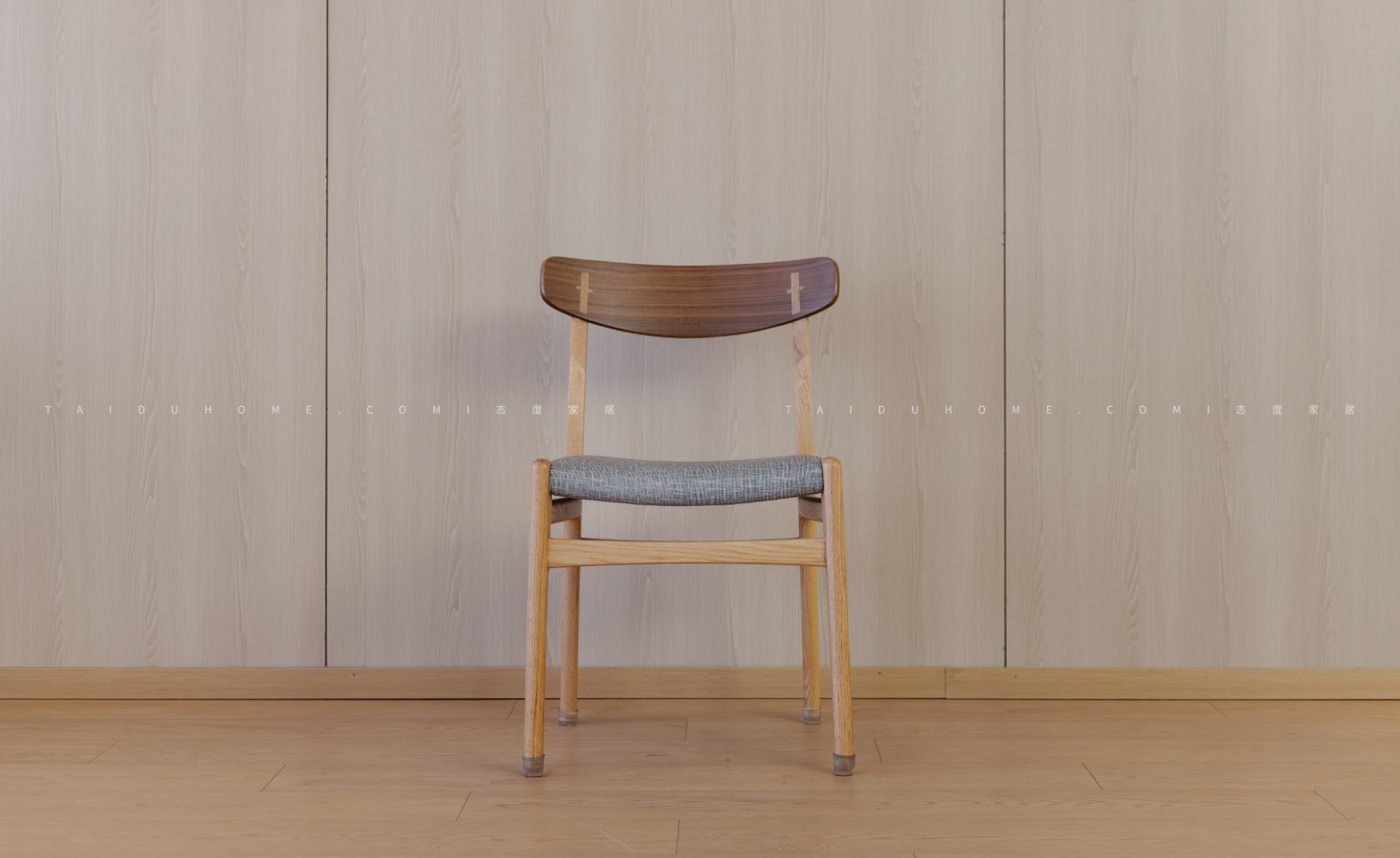
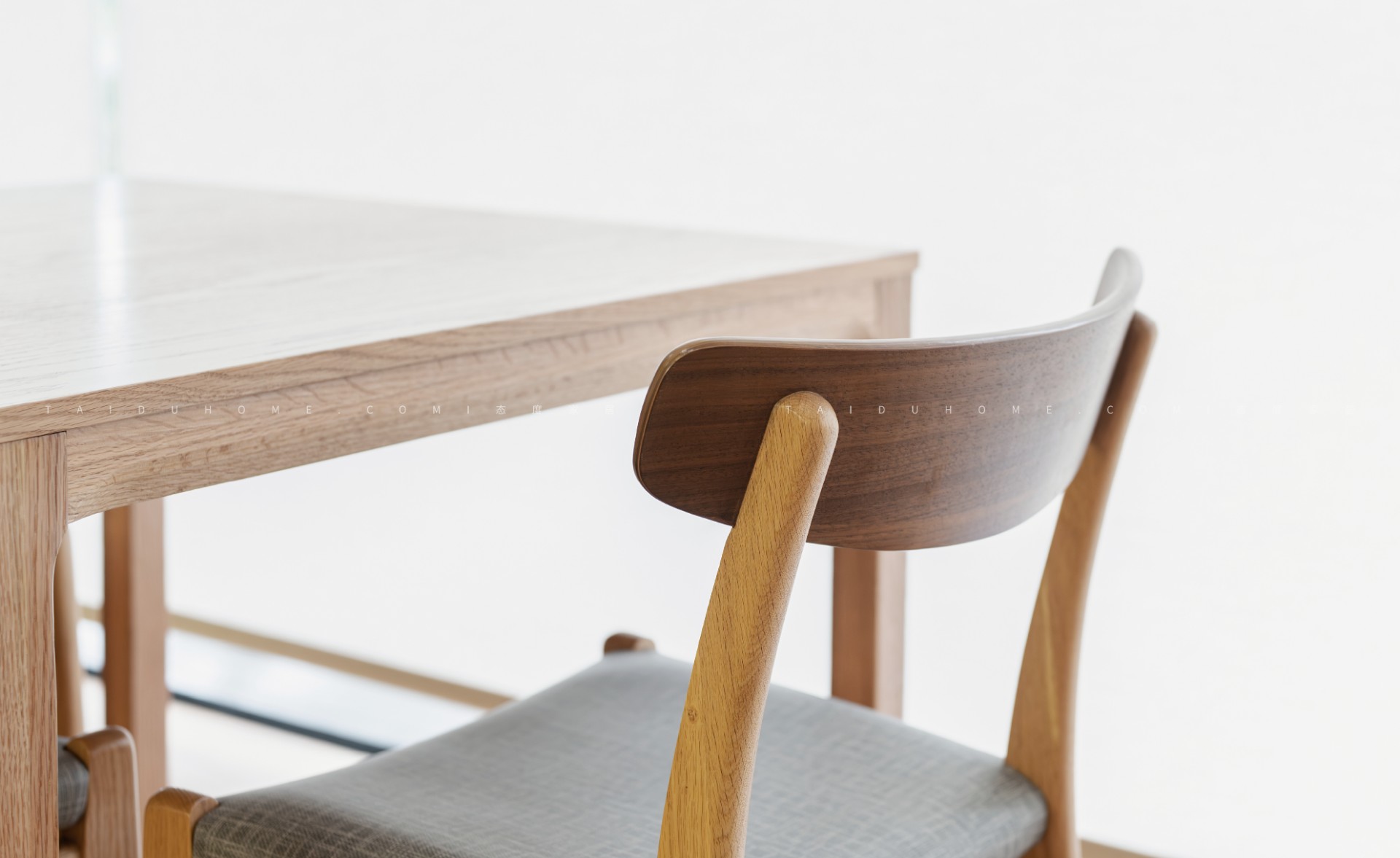
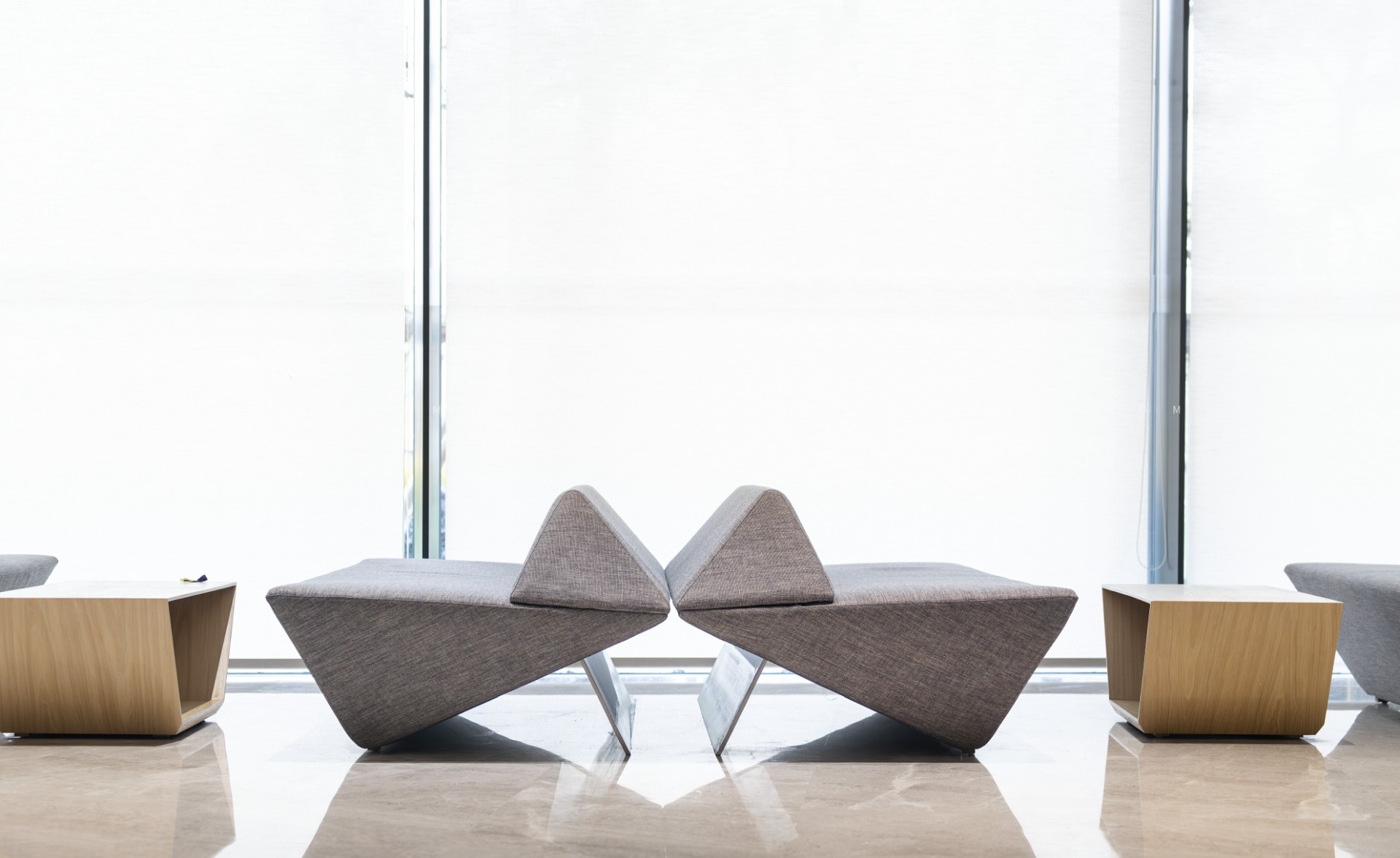
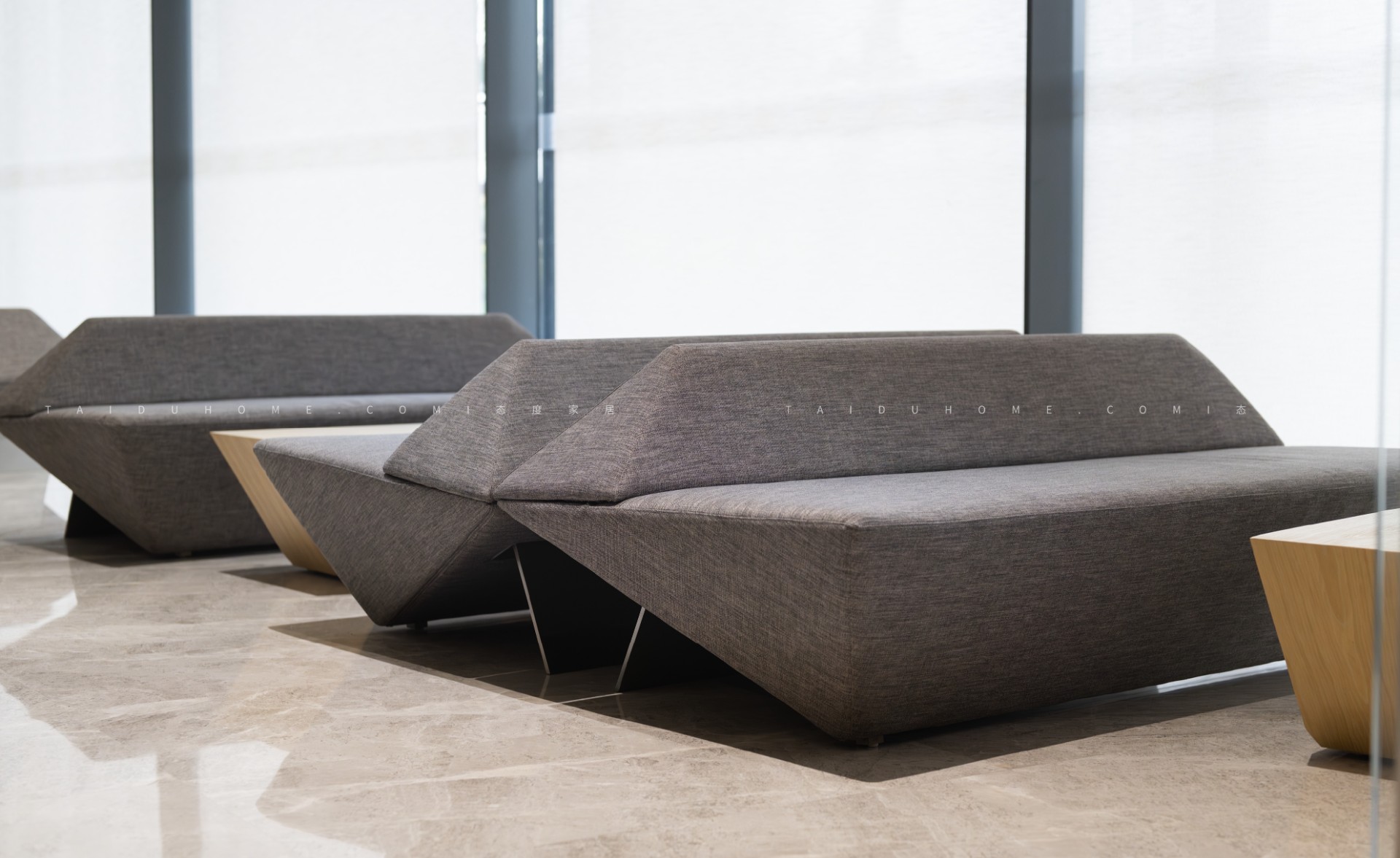
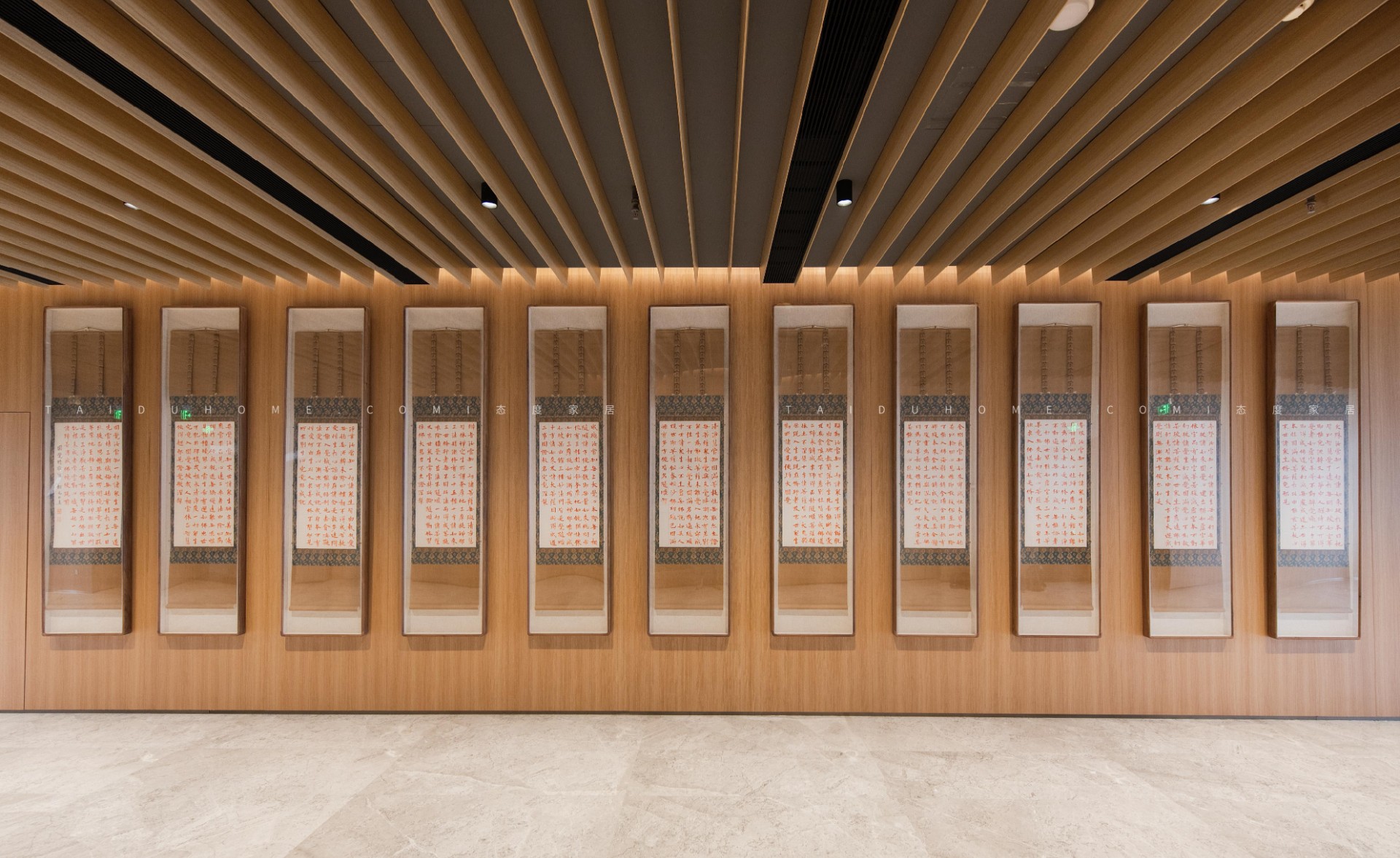
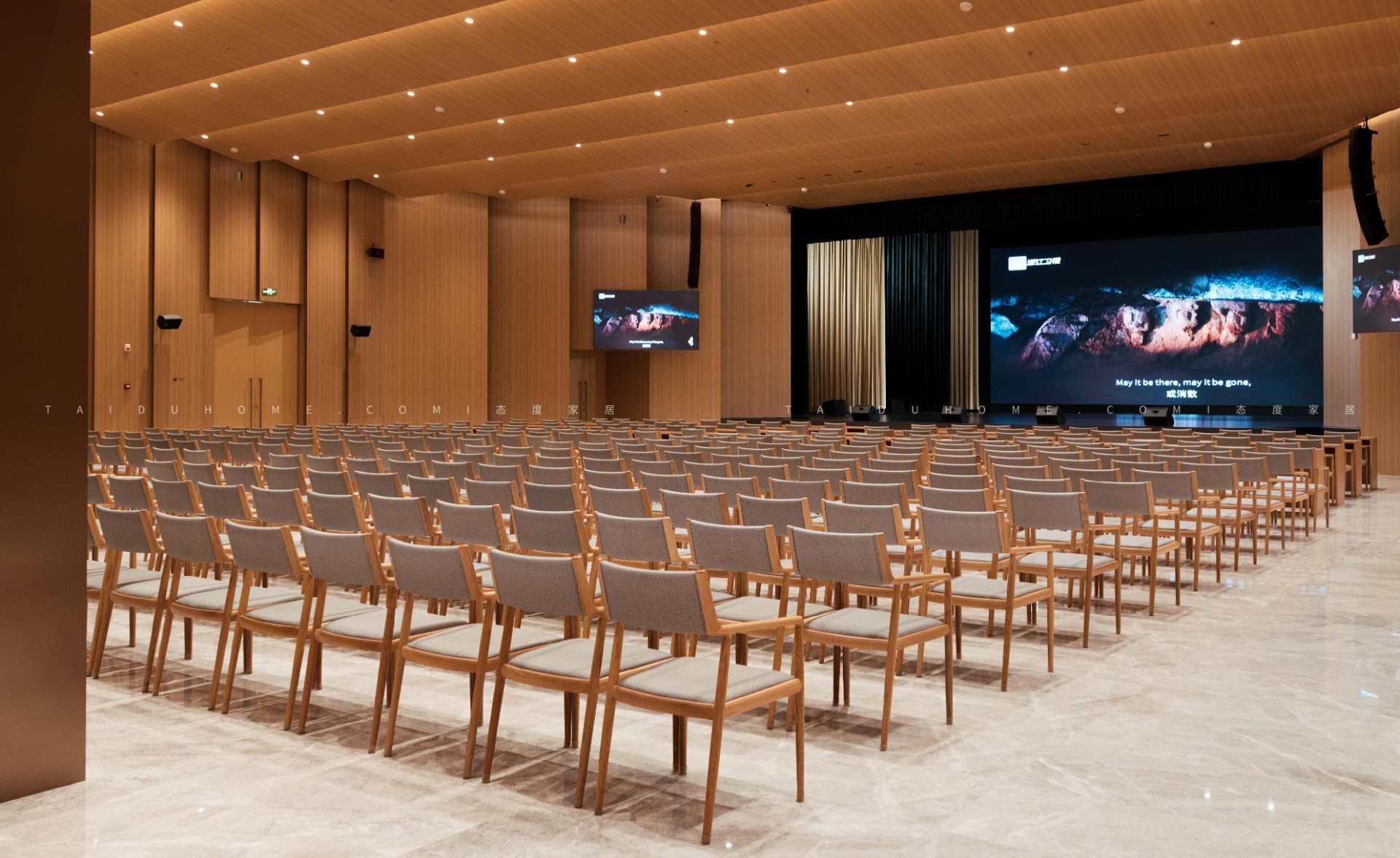
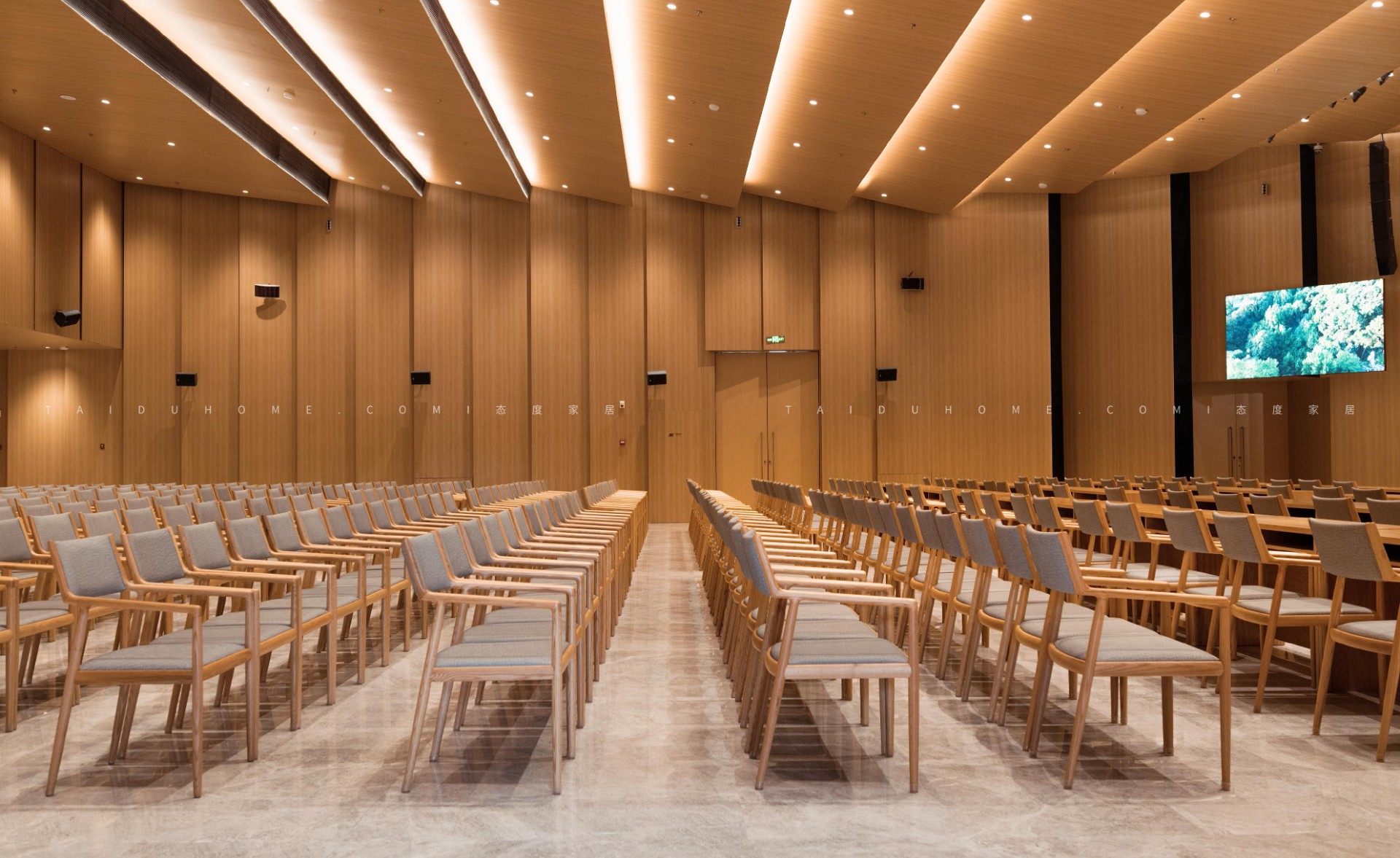
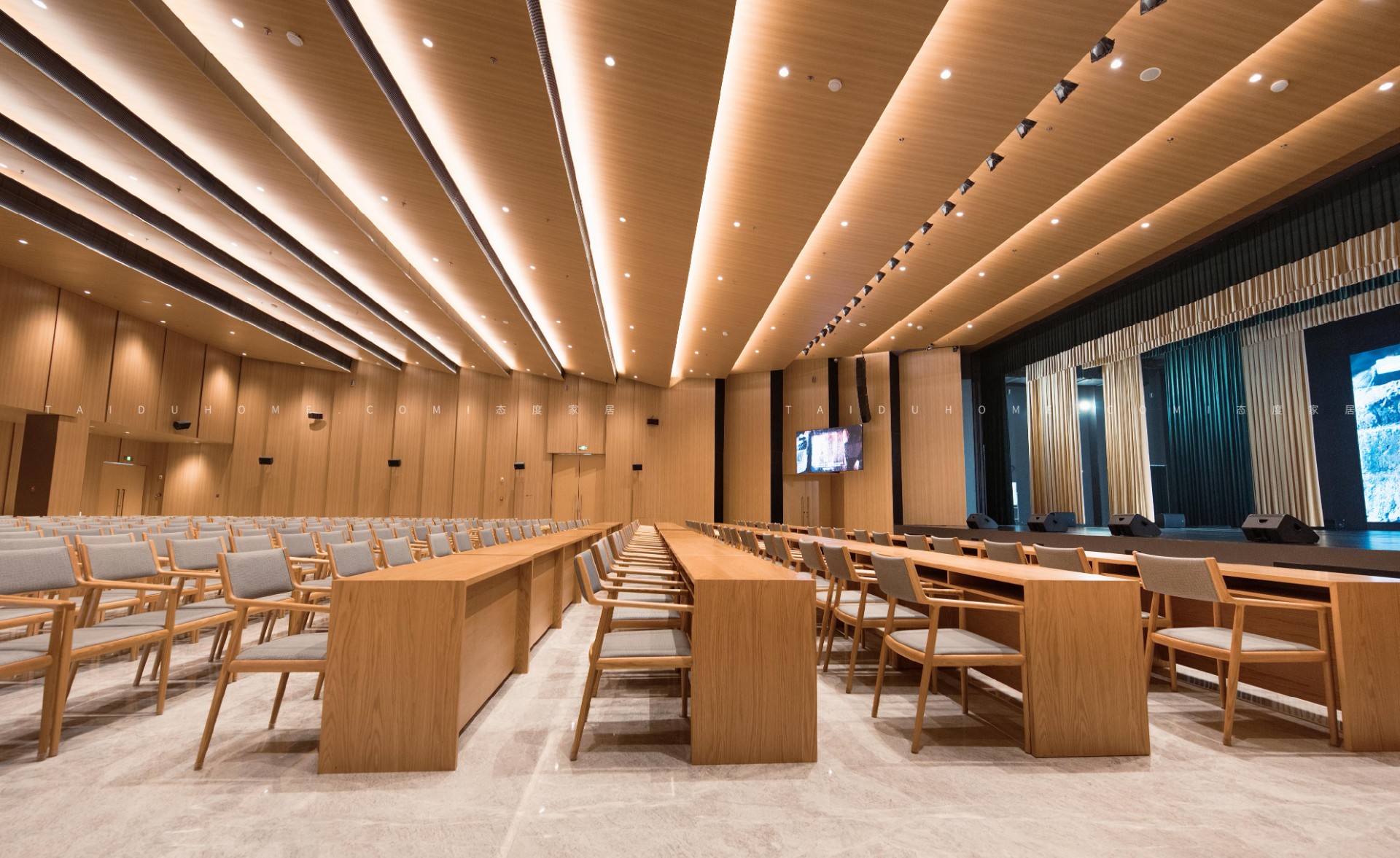
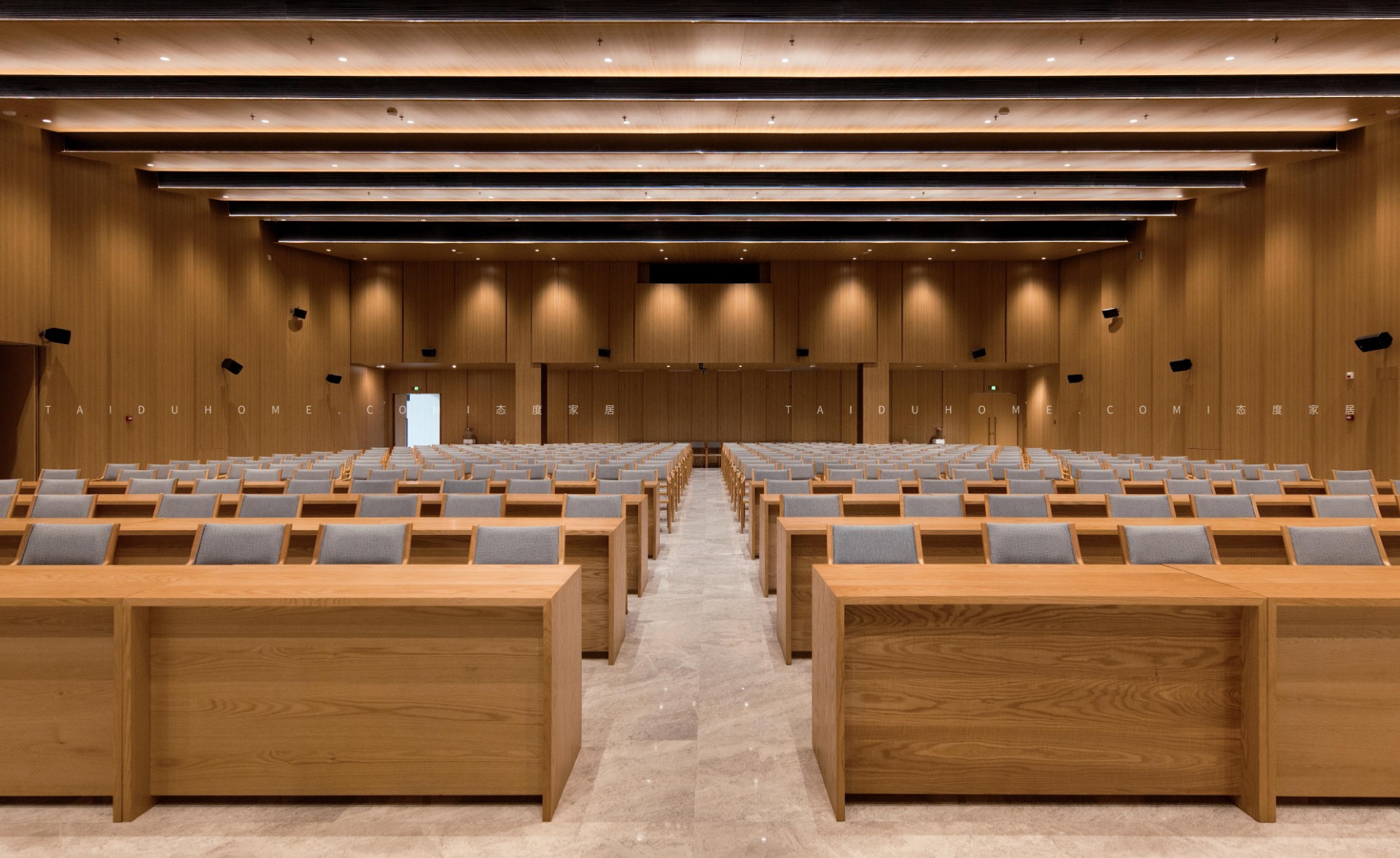
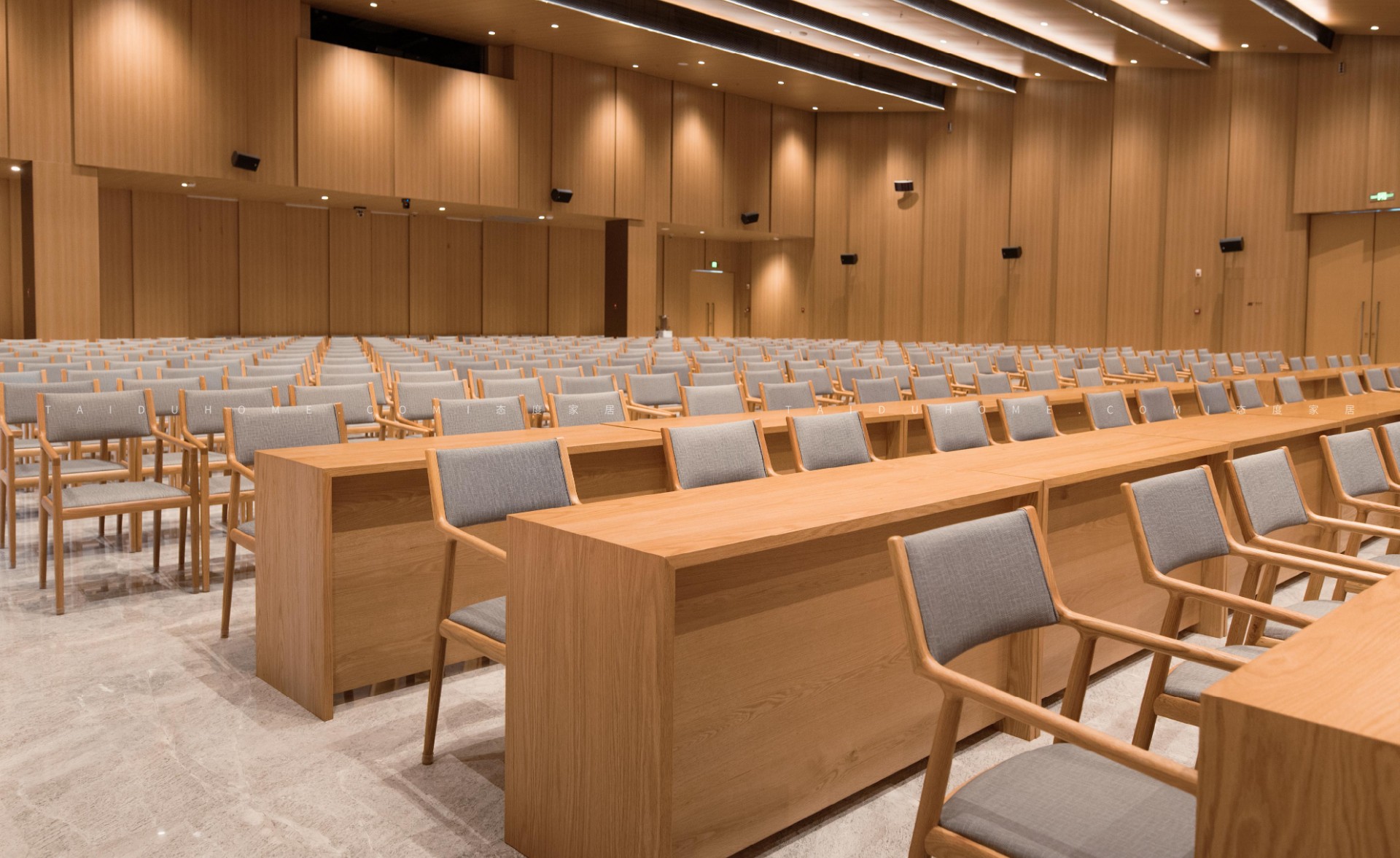
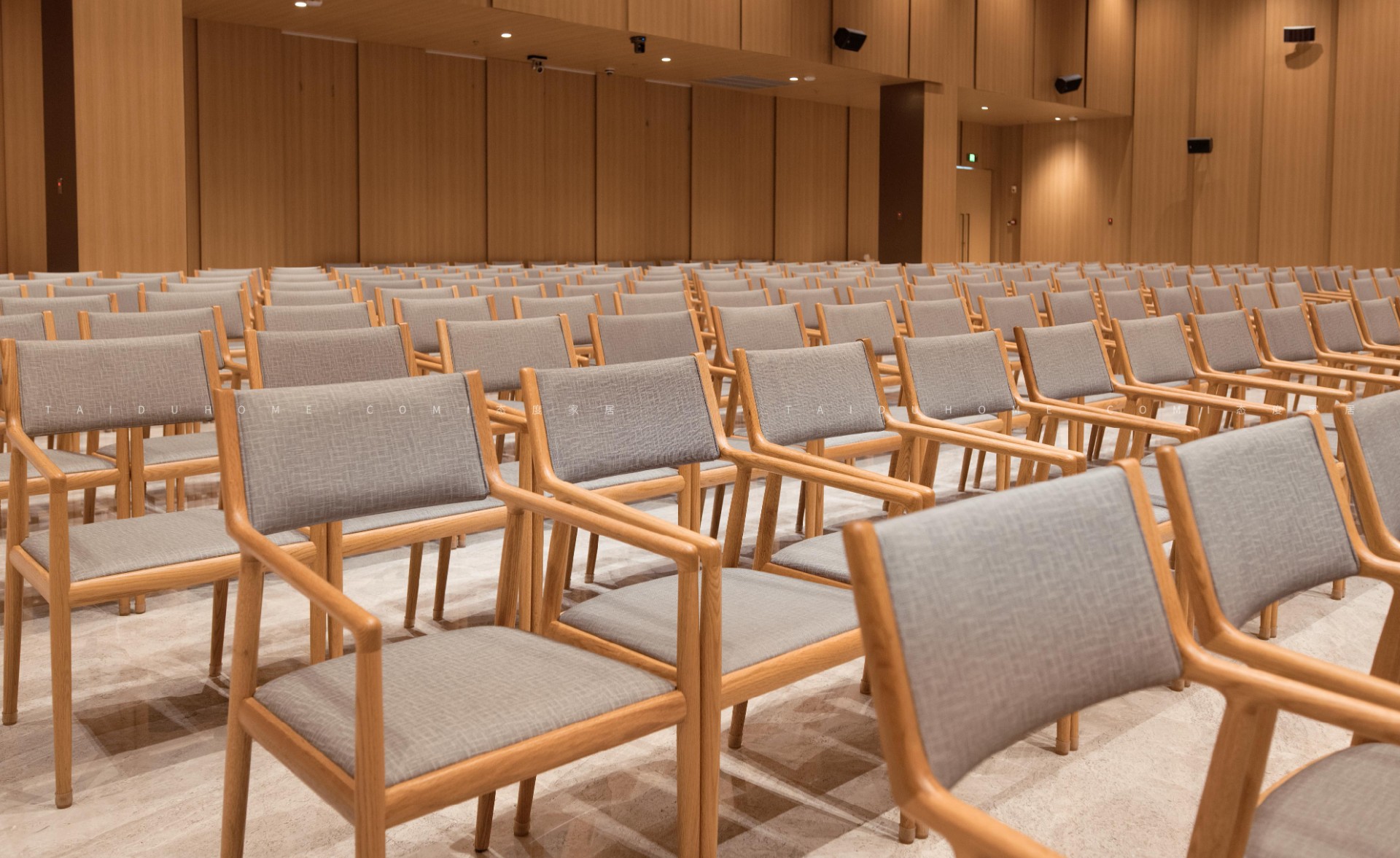
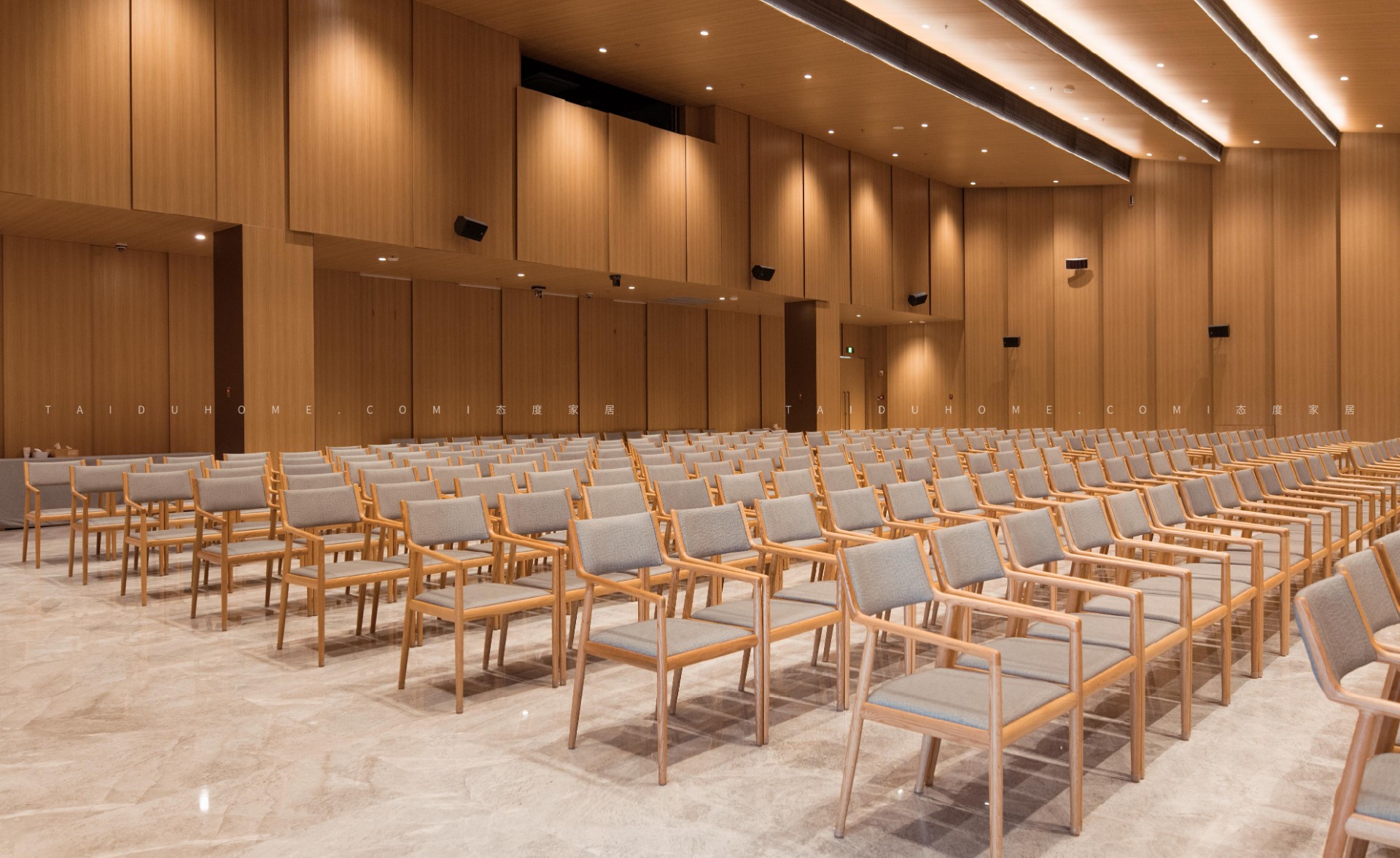
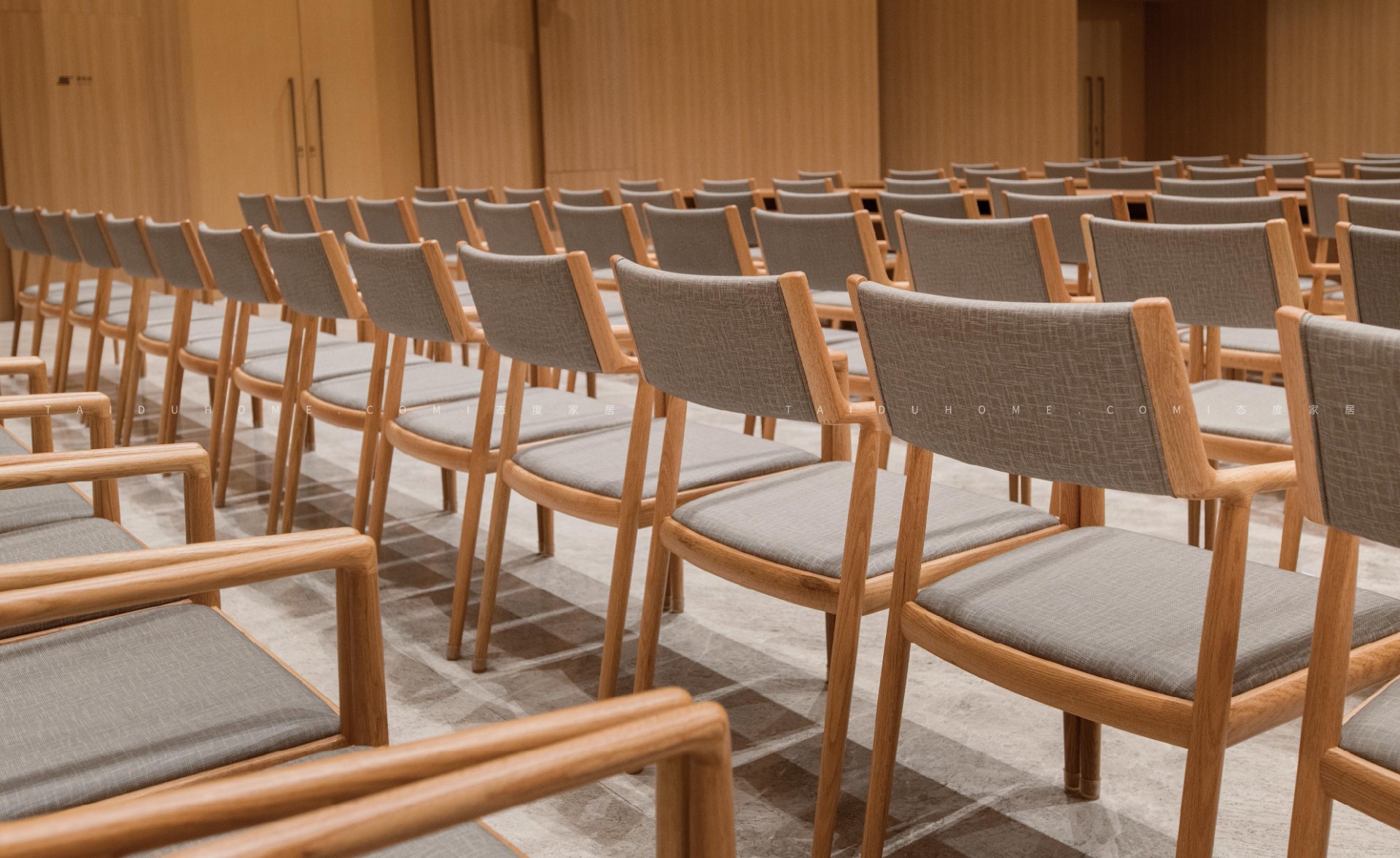
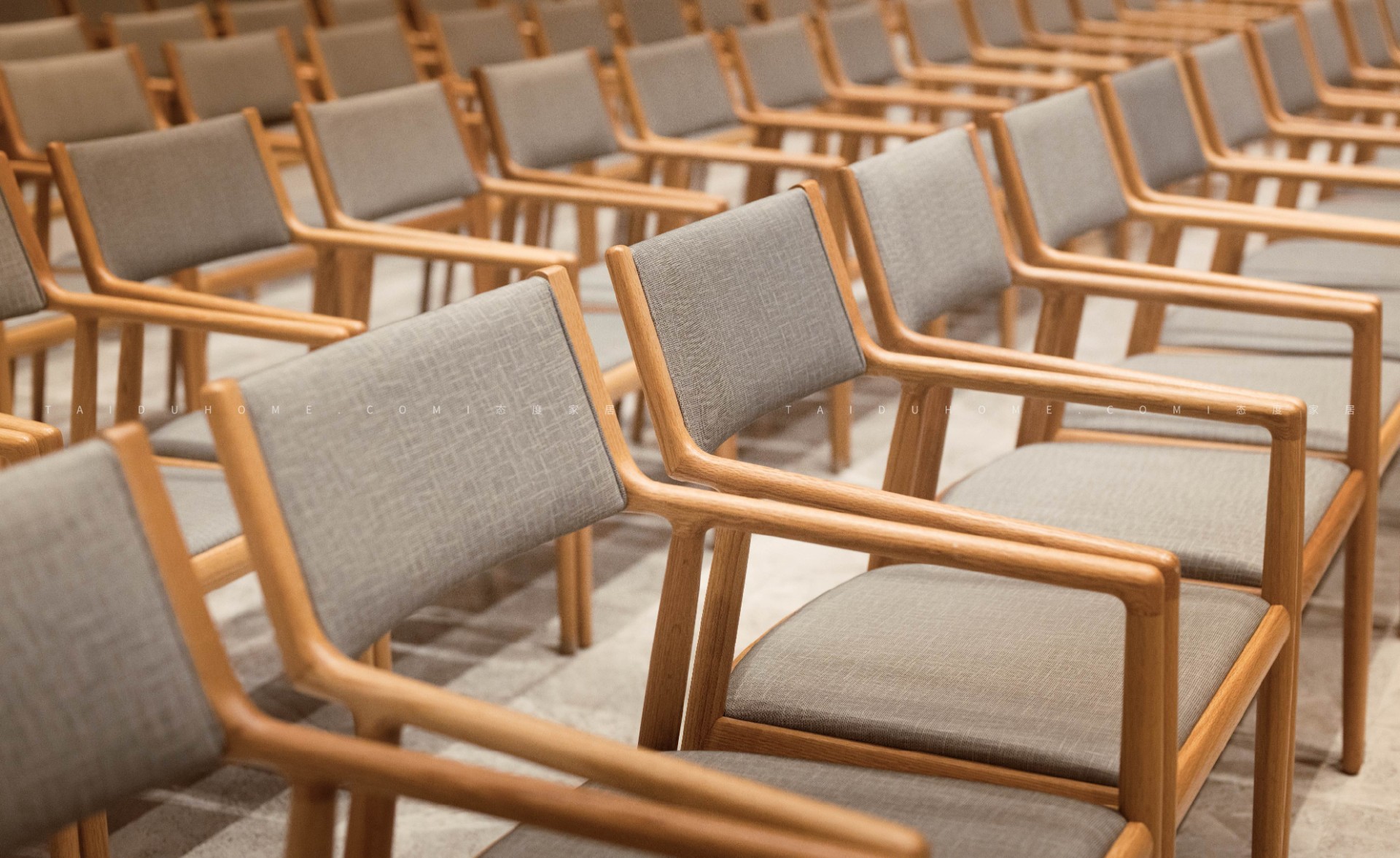
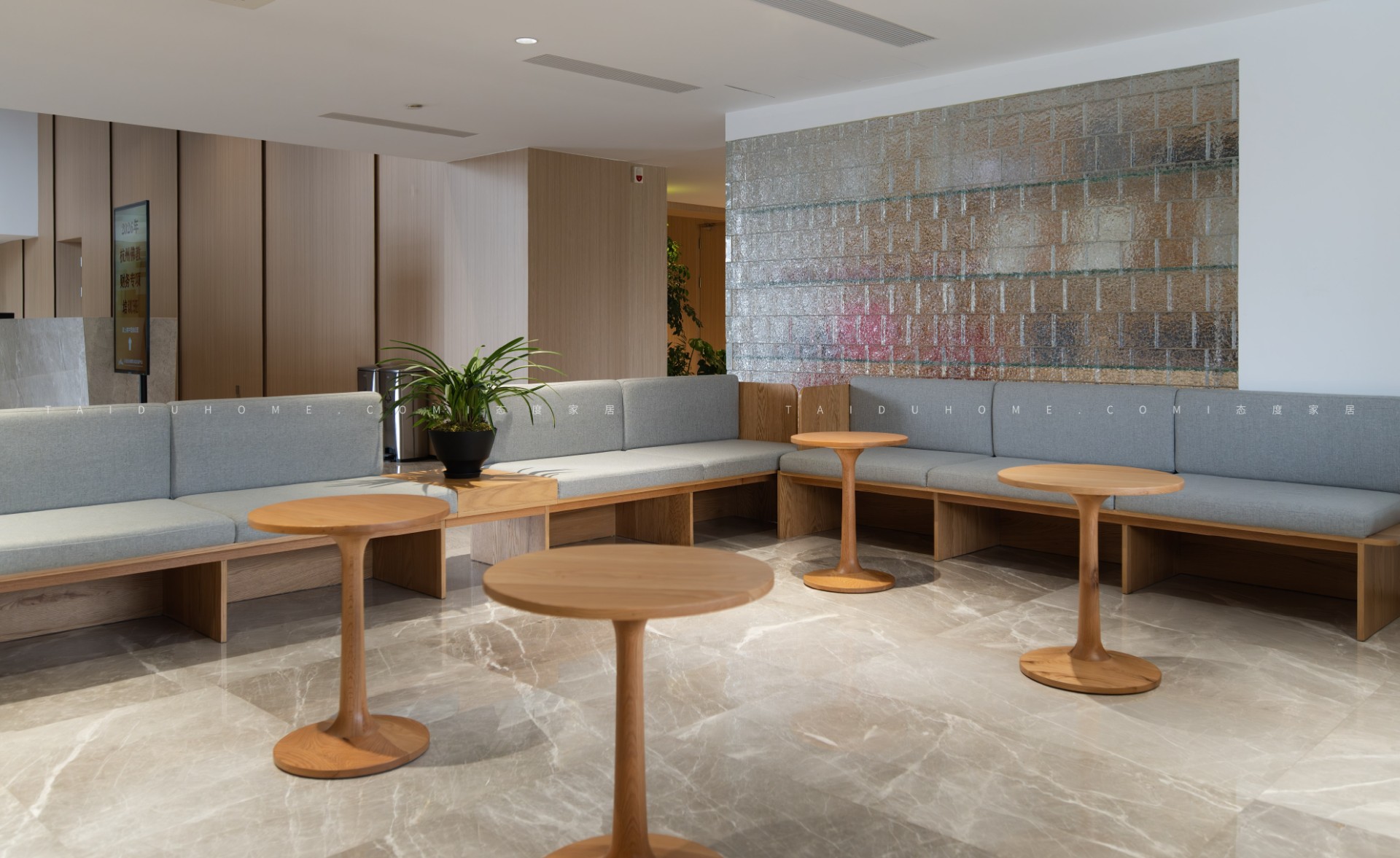
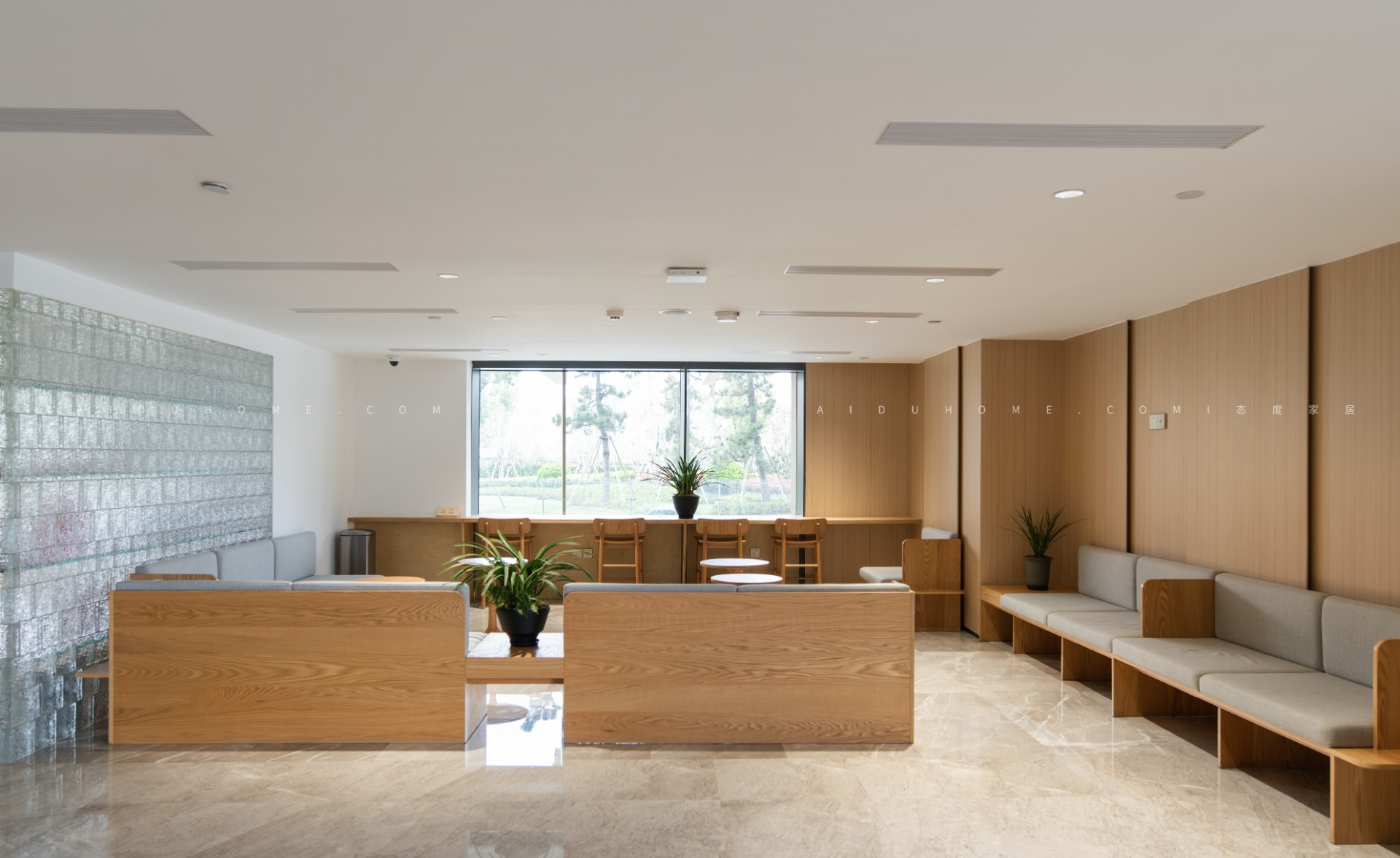
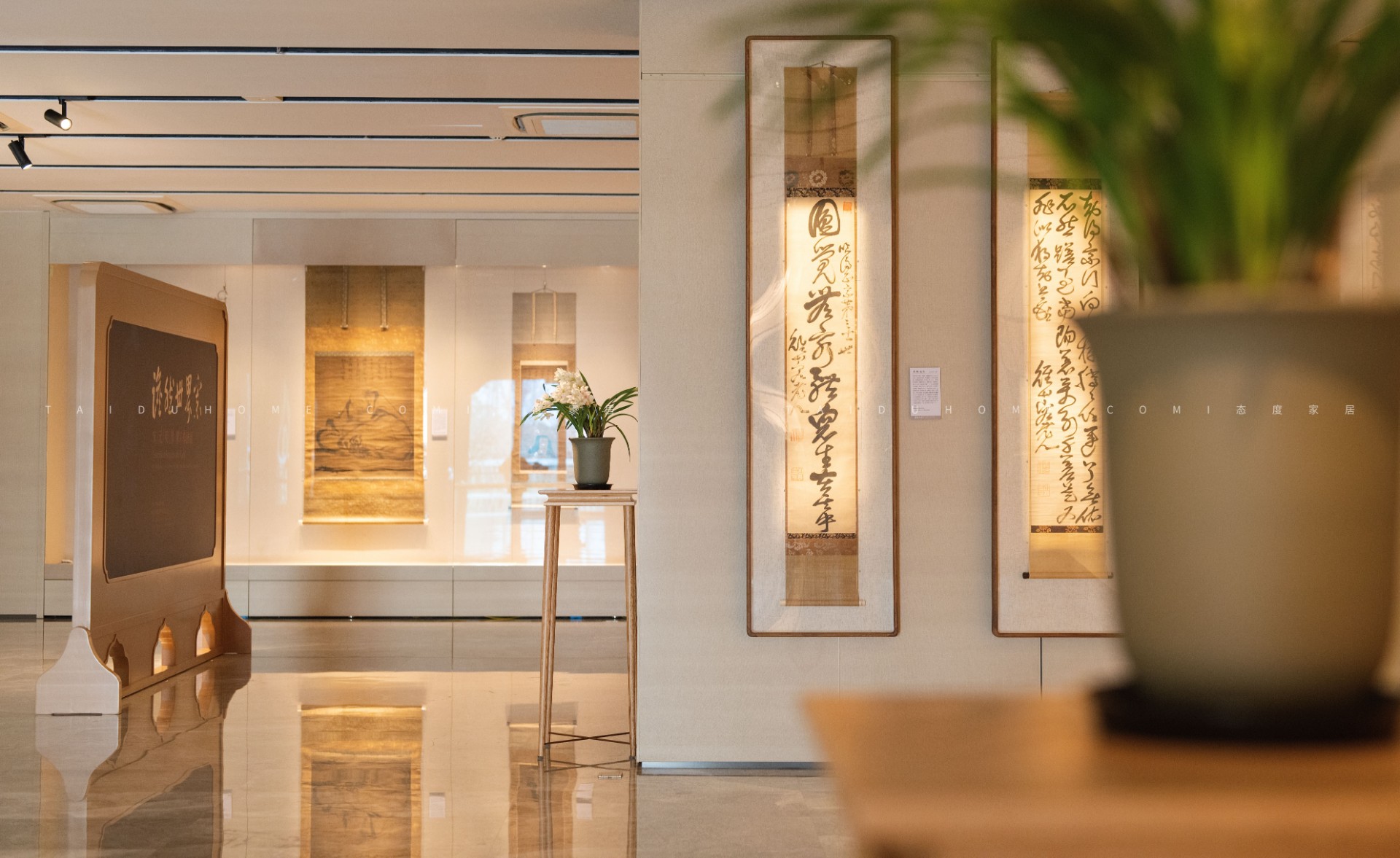
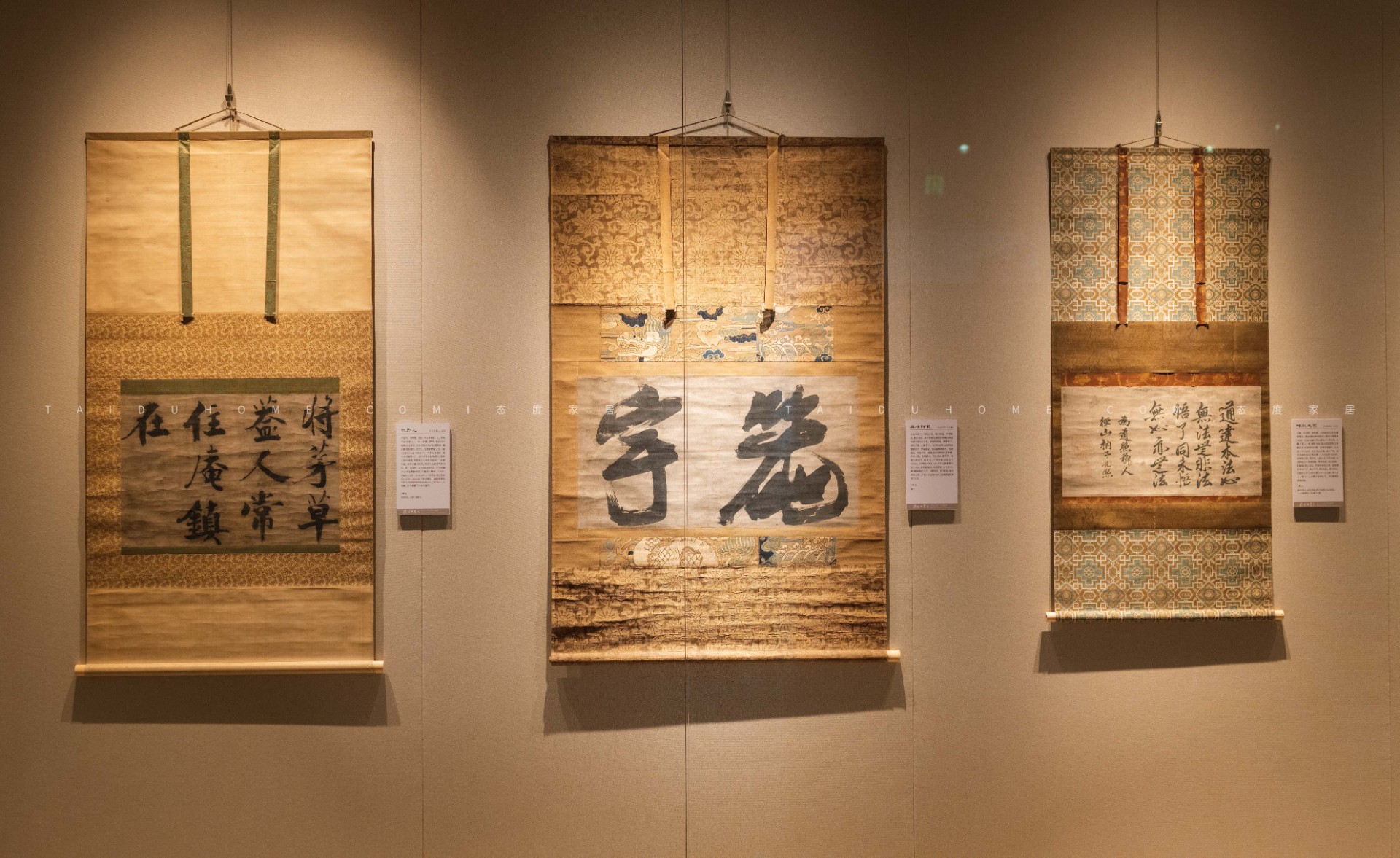
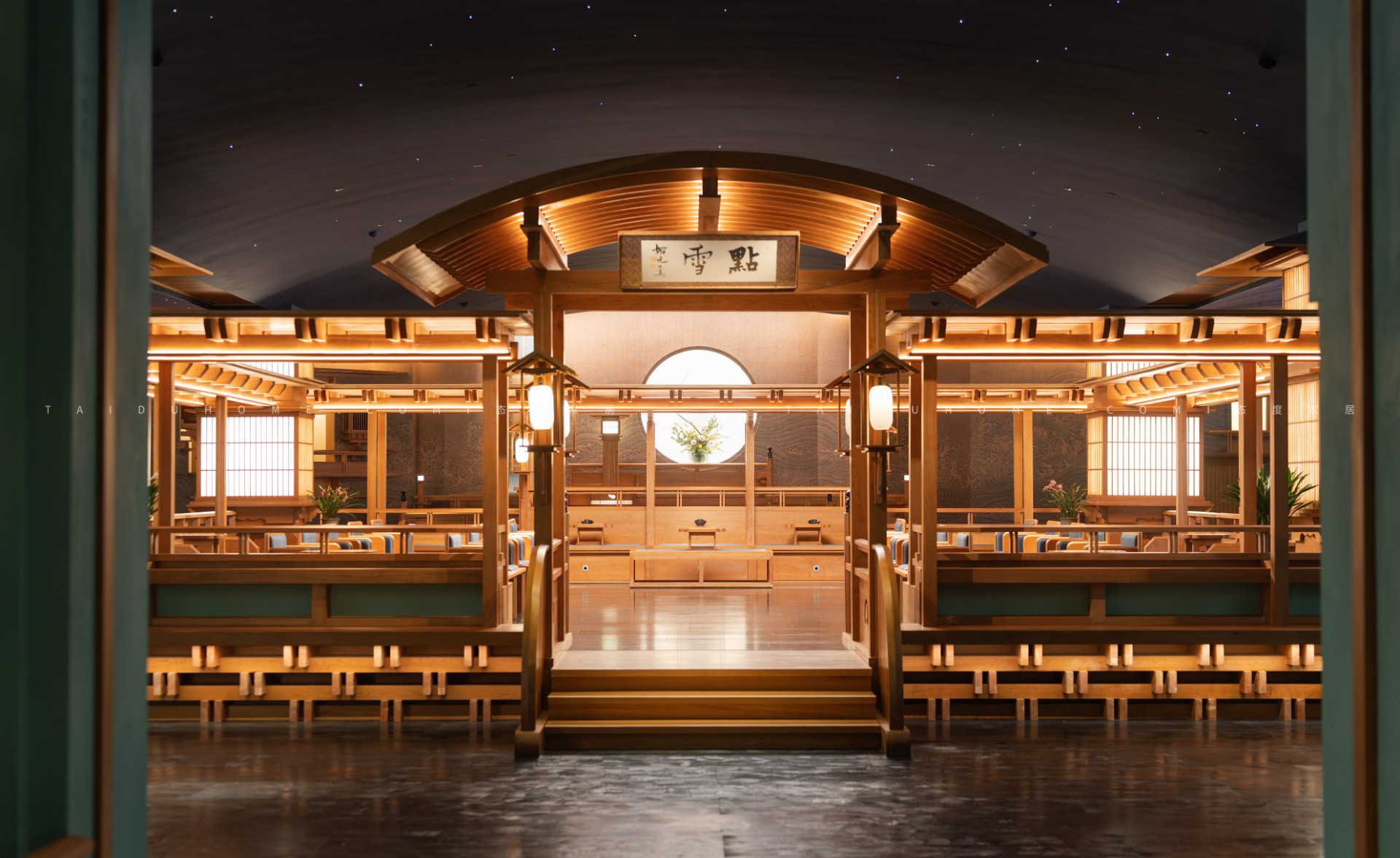
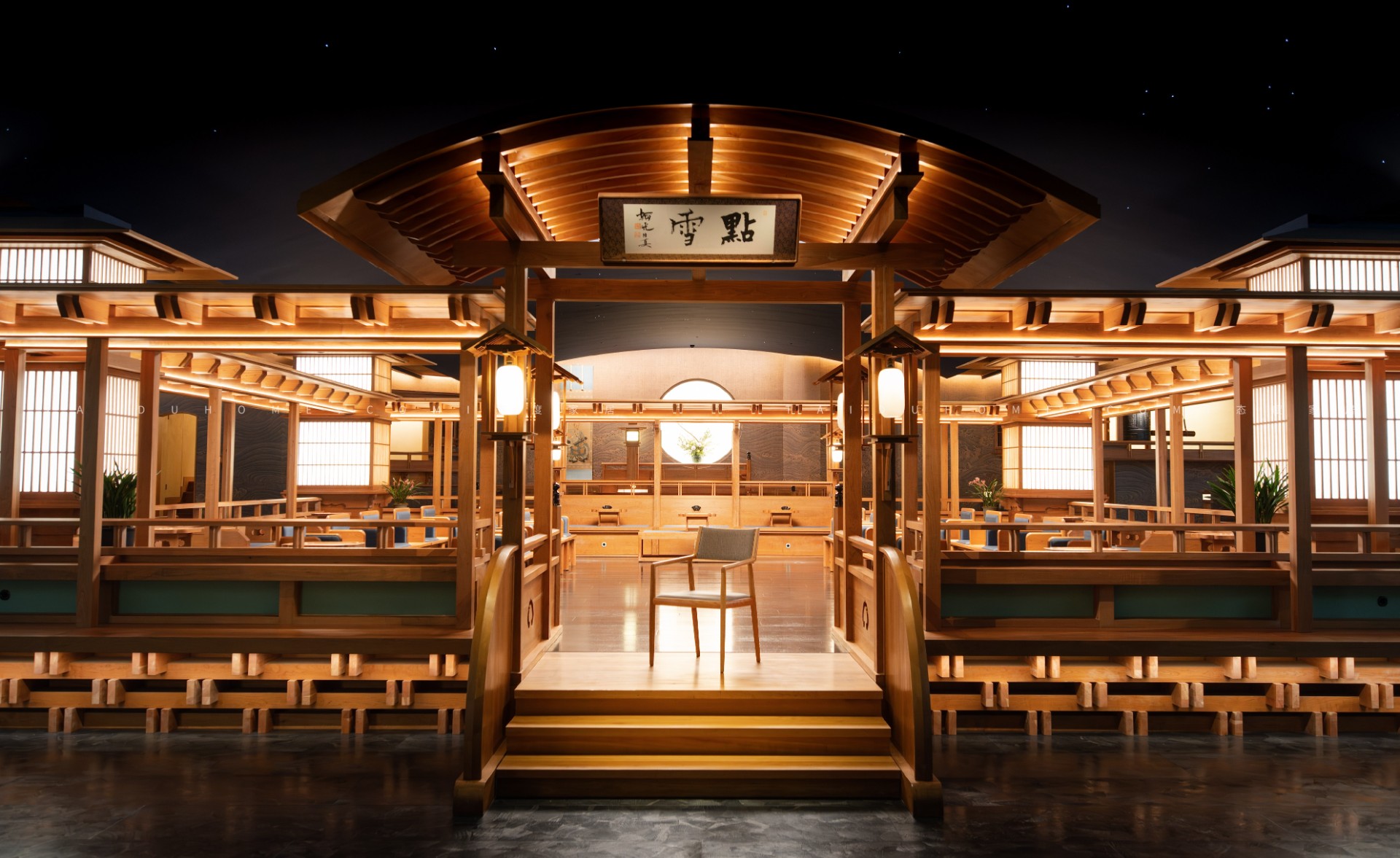
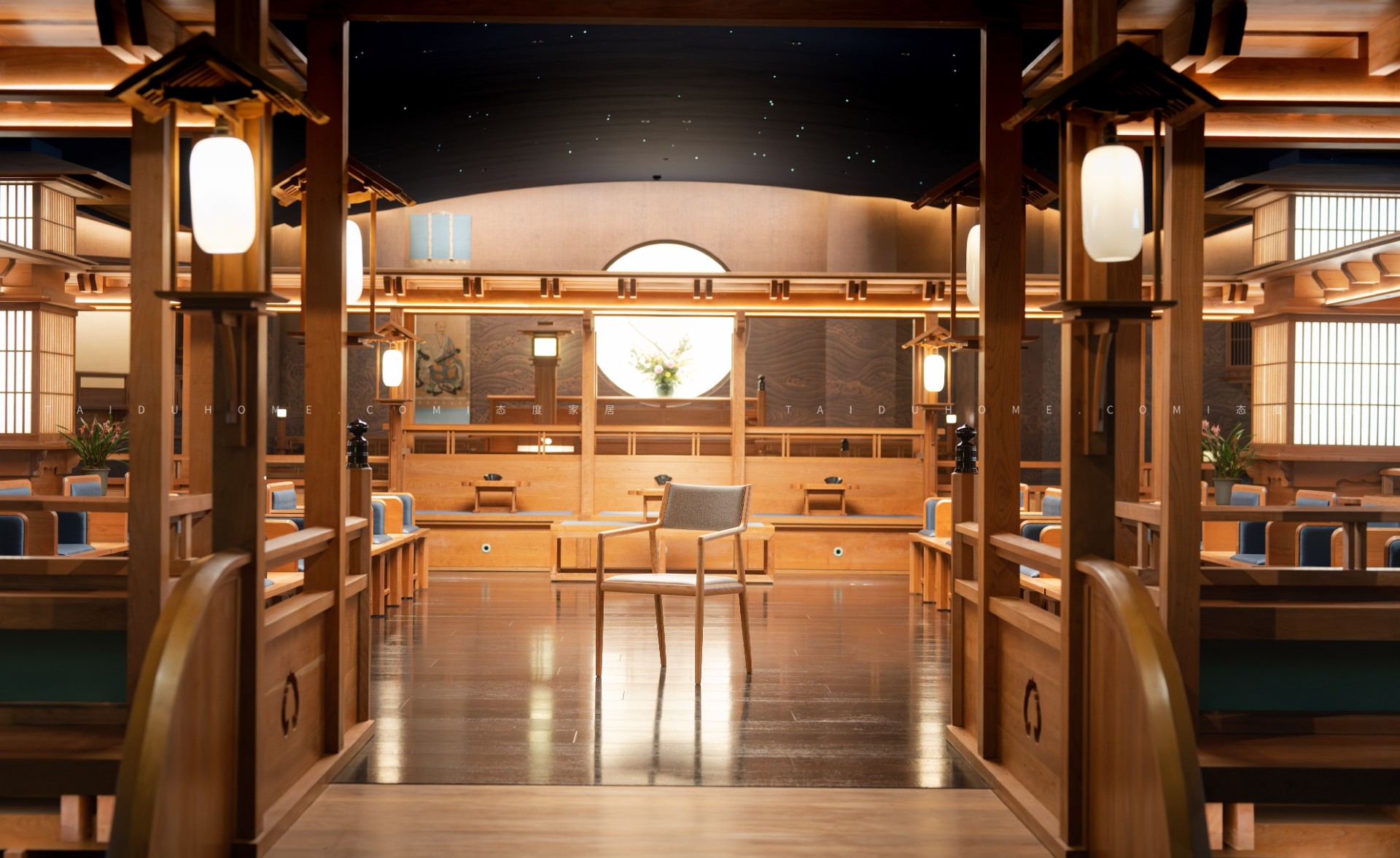
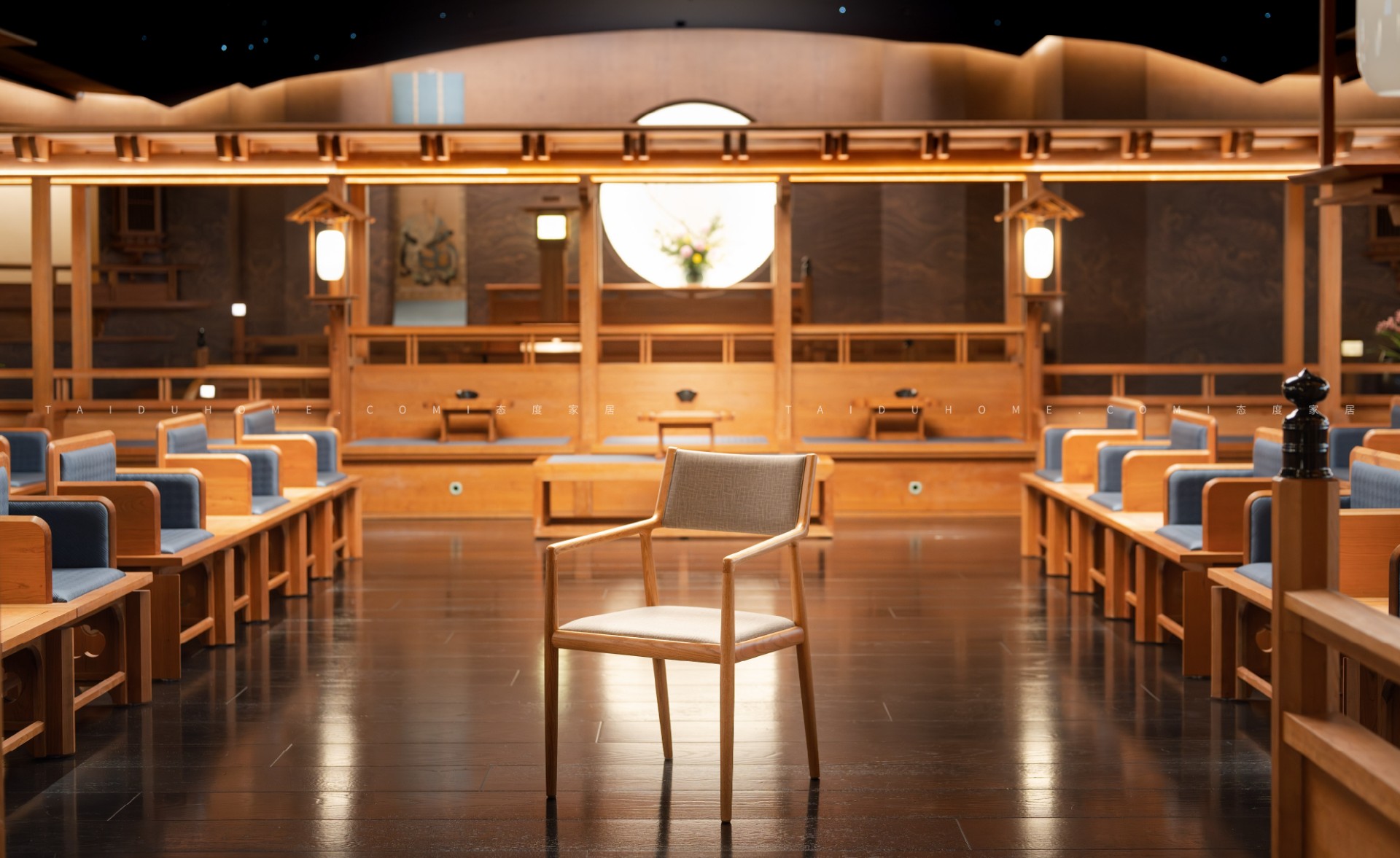
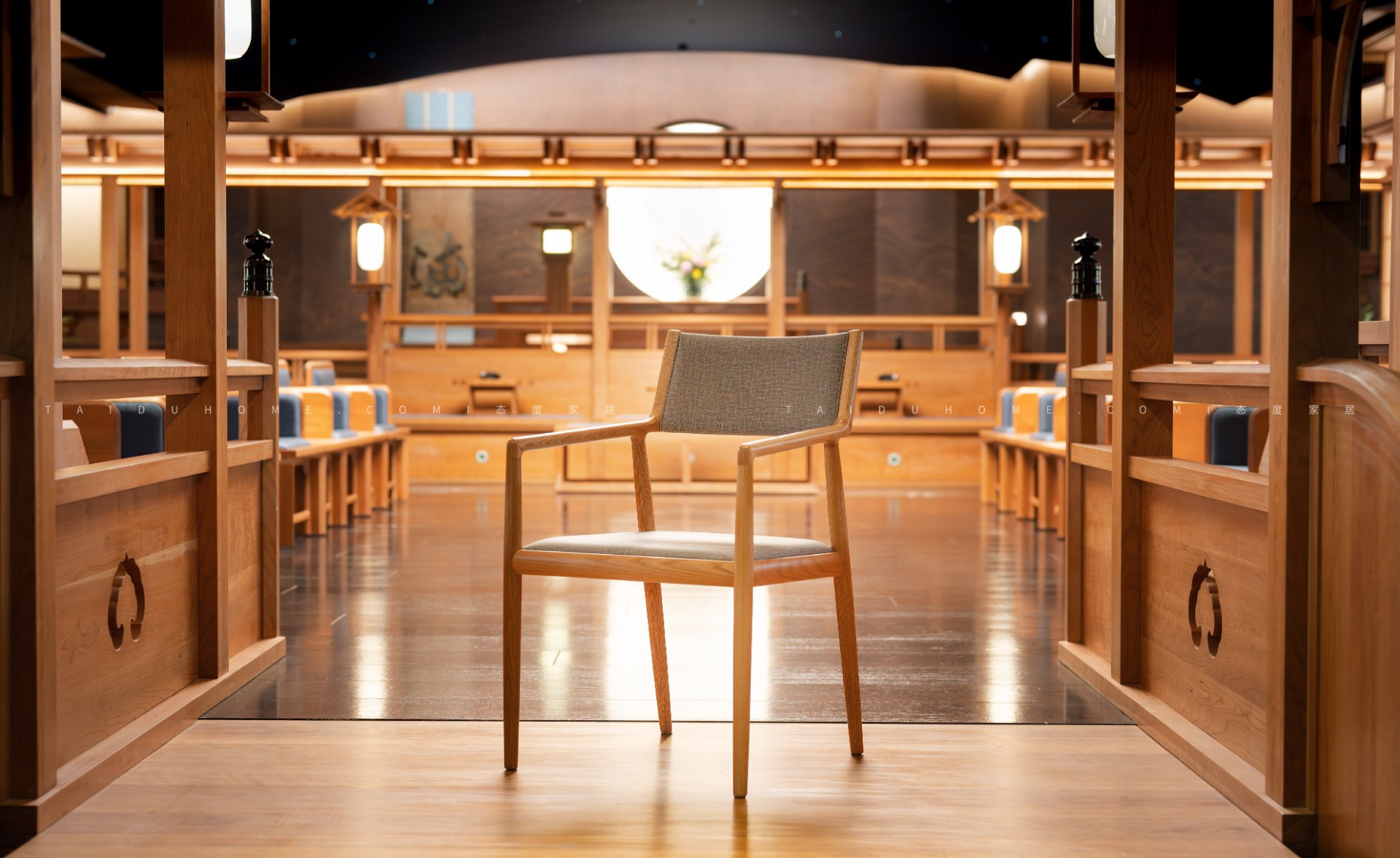
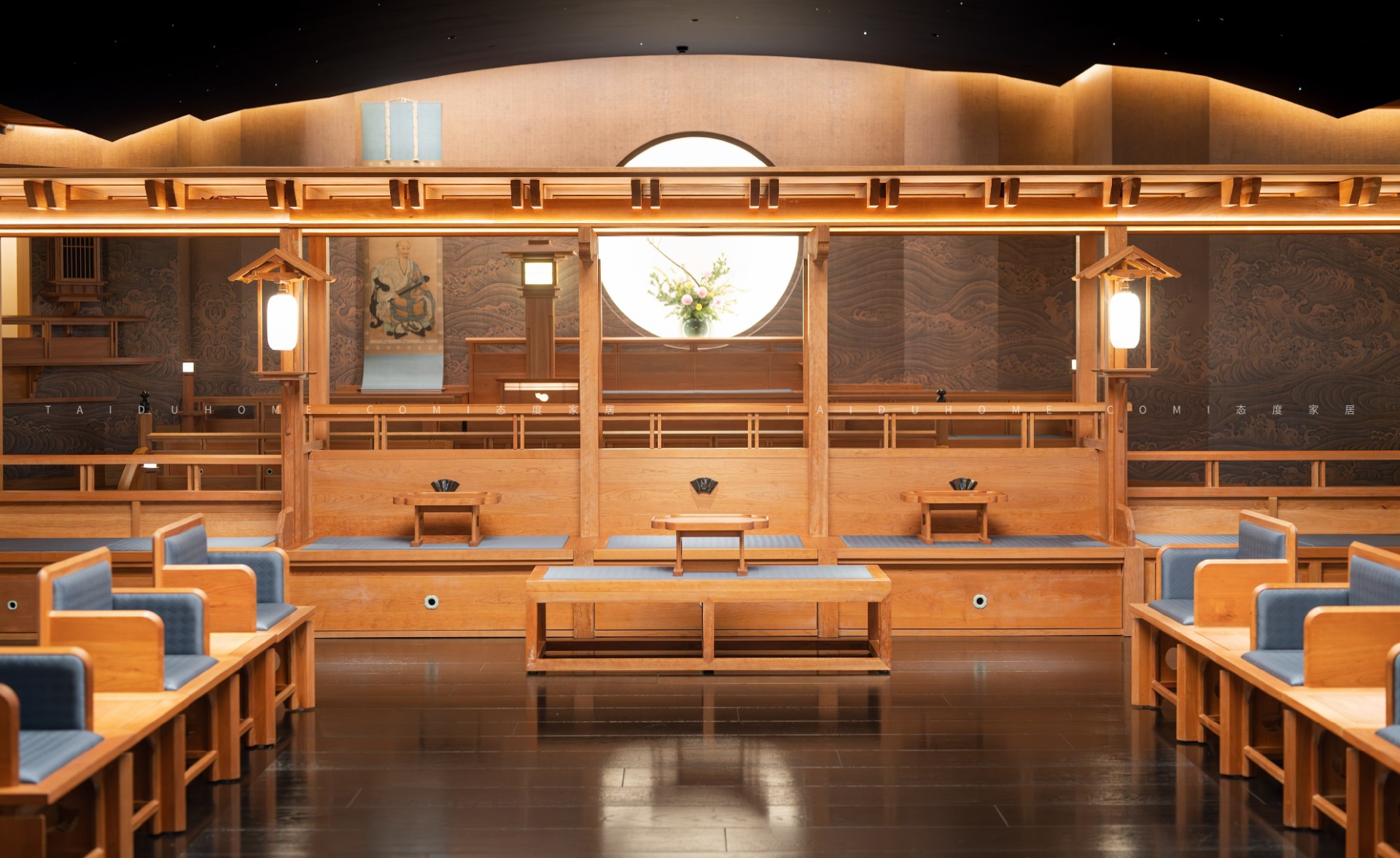
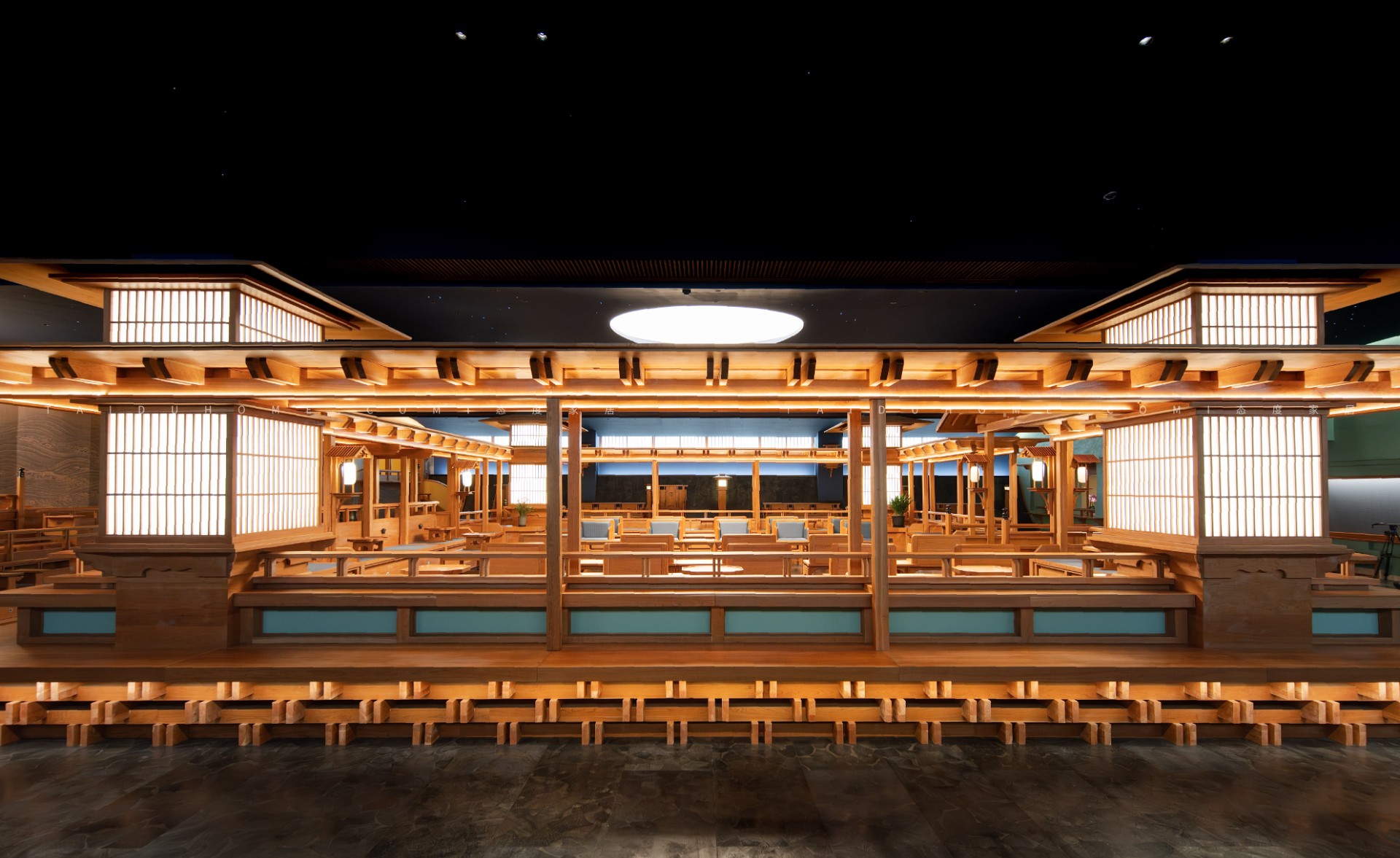
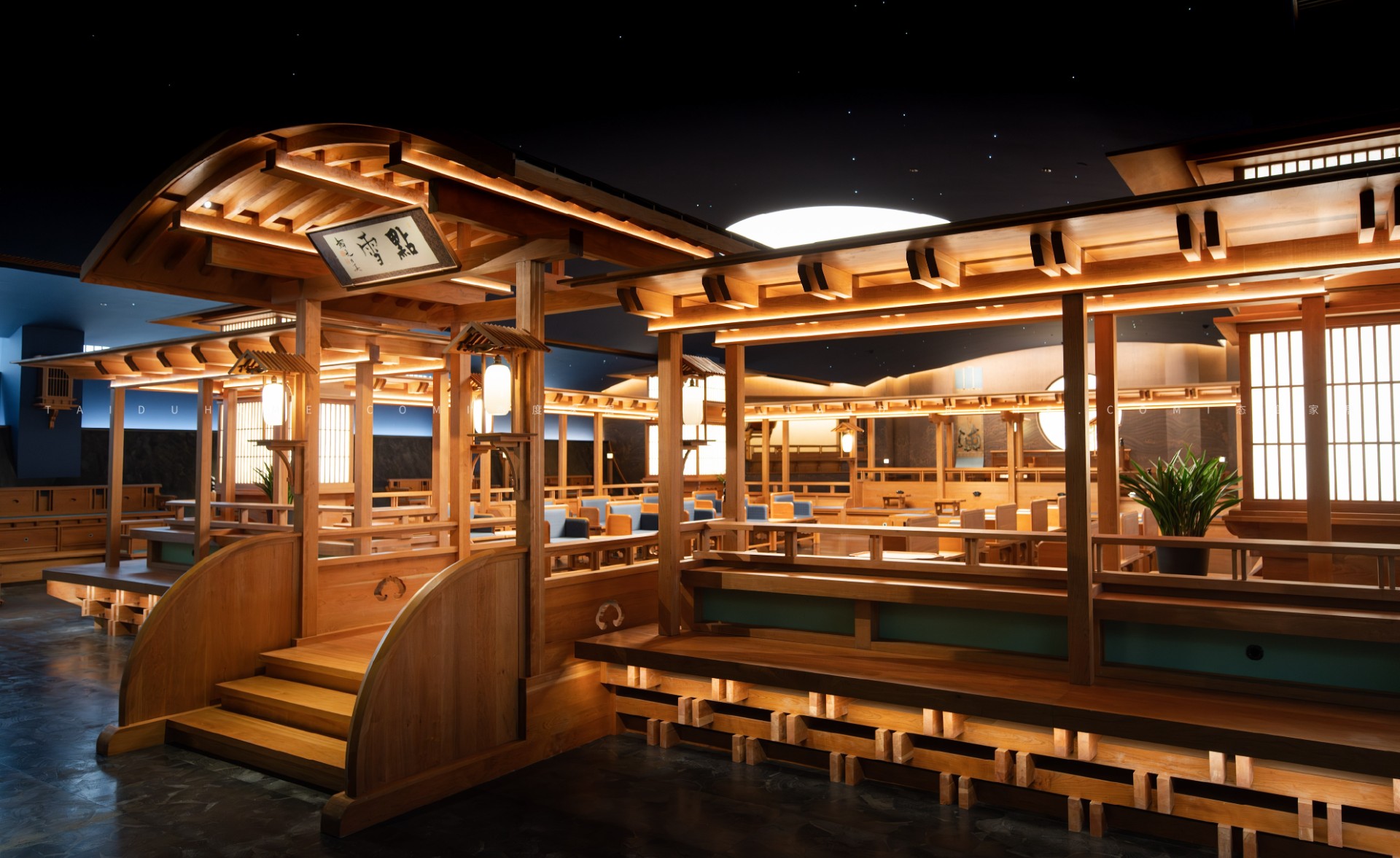
潮音禅院
杭州
Chaoyin Zen Monastery ,Hangzhou
-
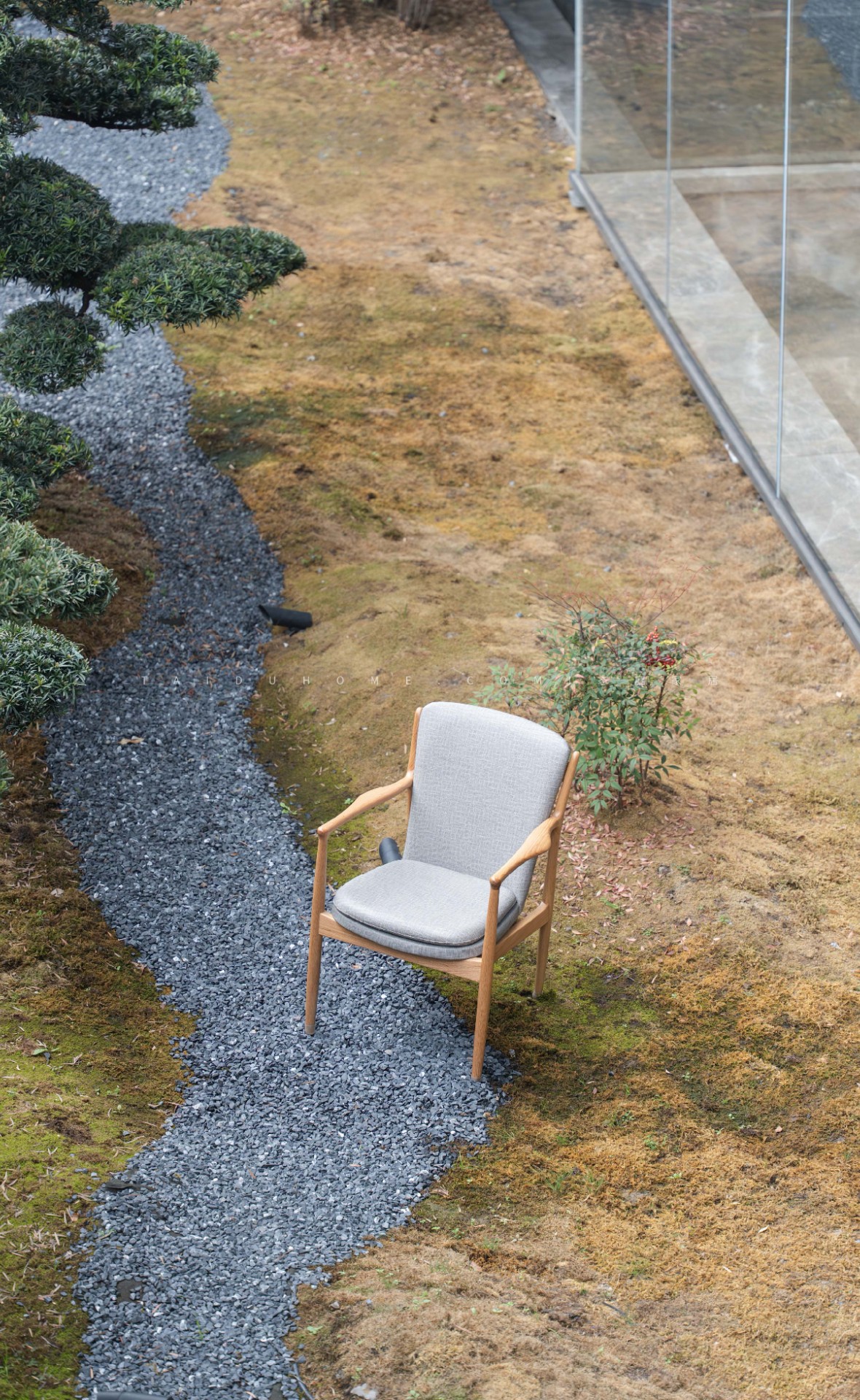
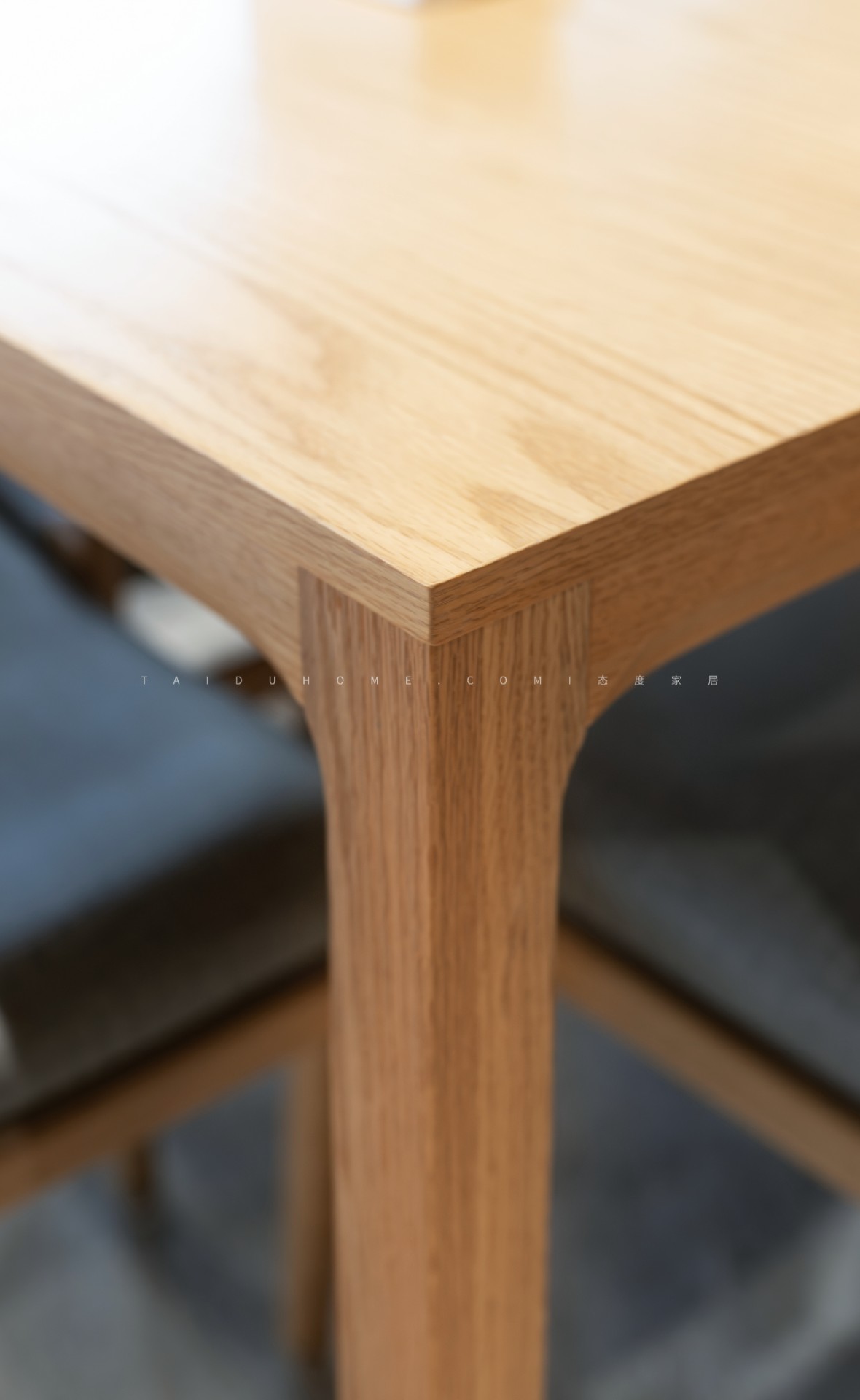
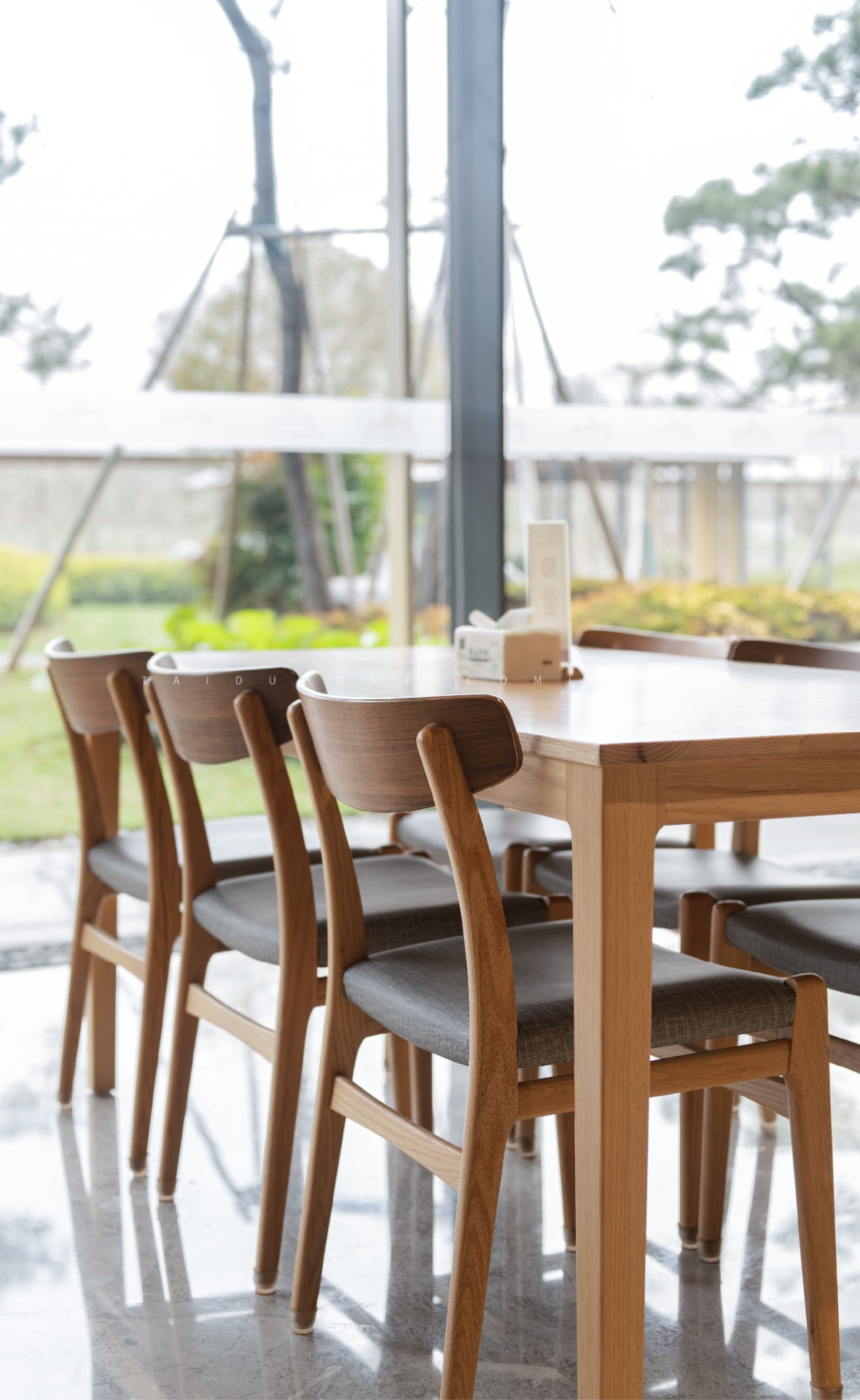
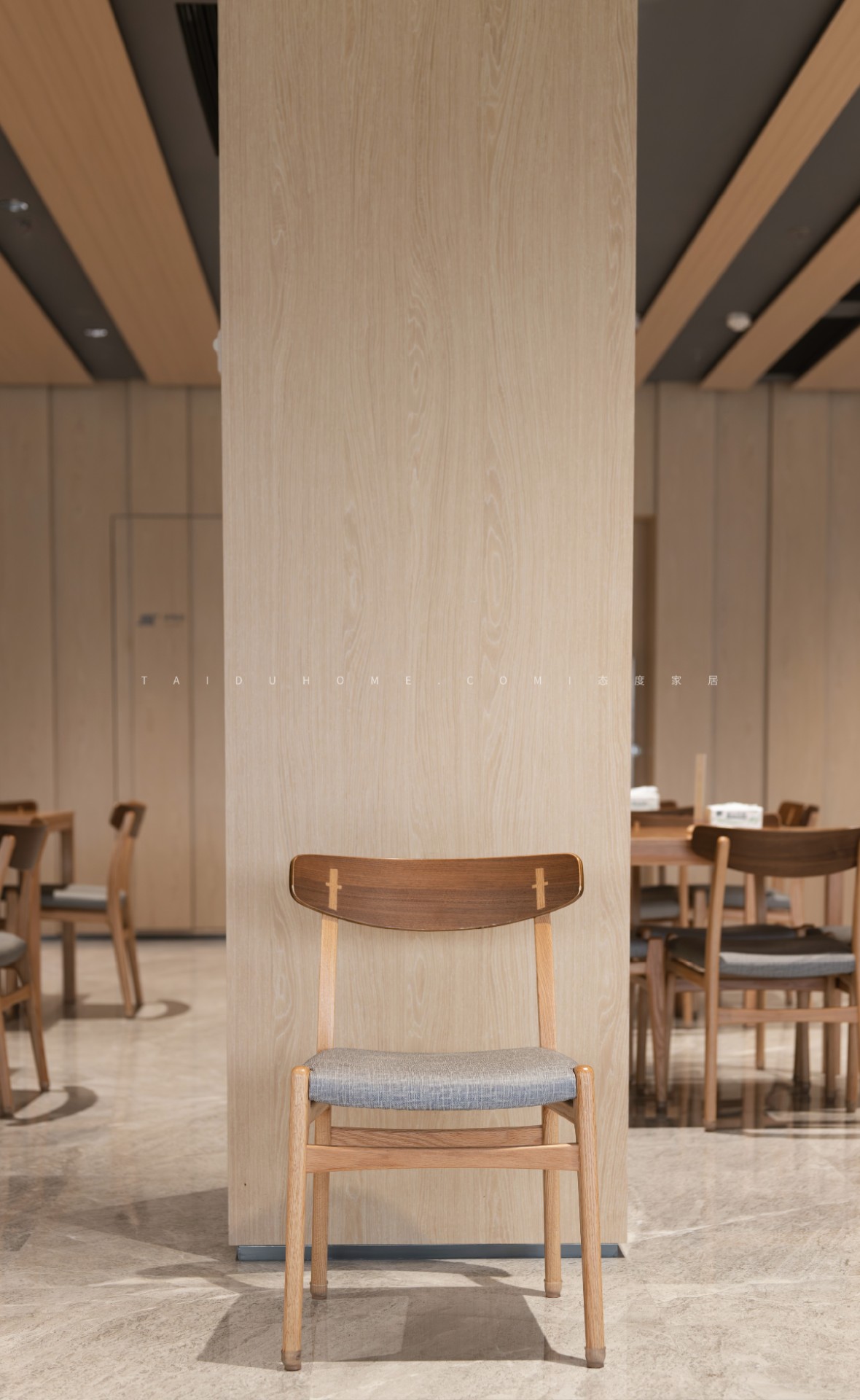
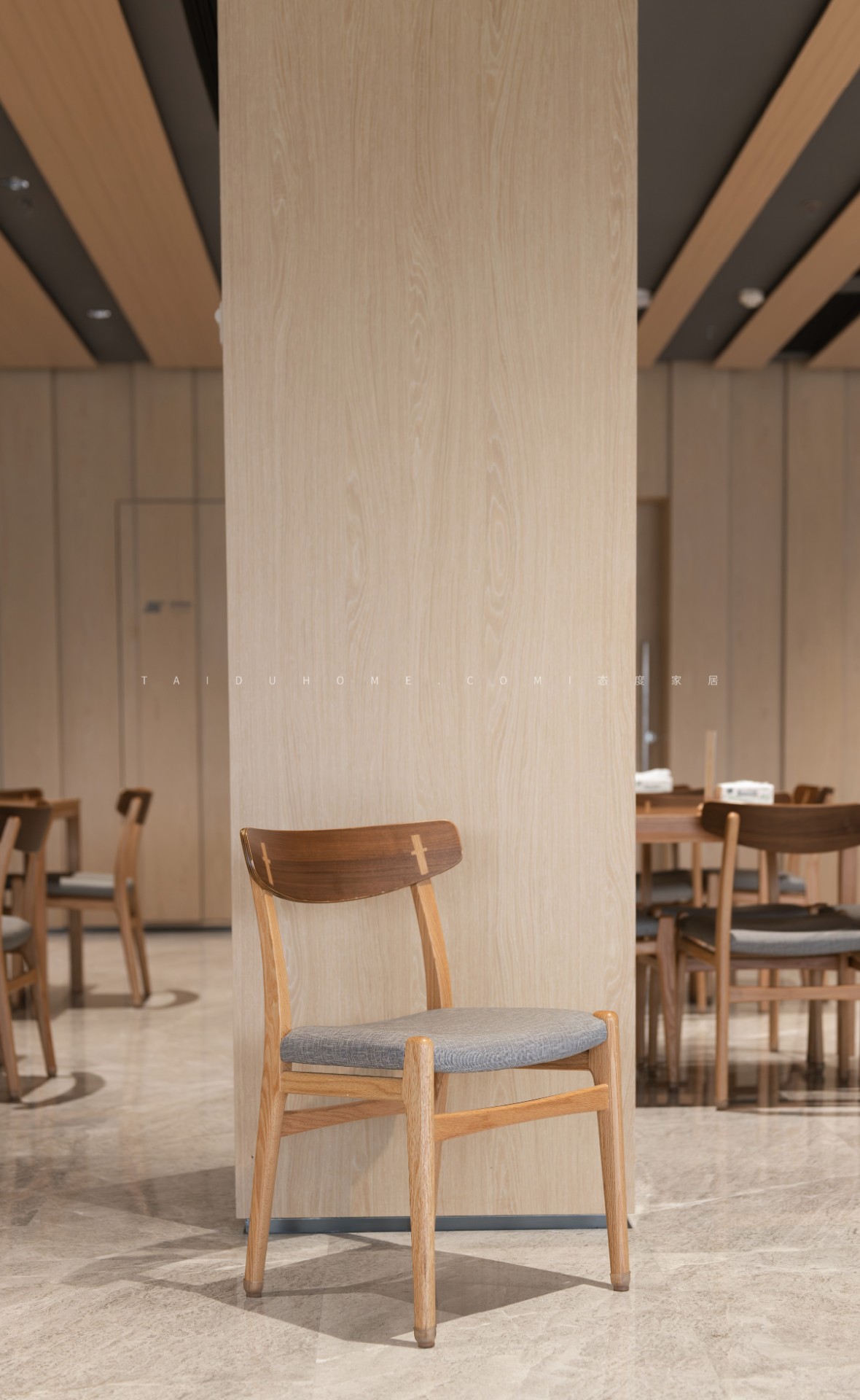
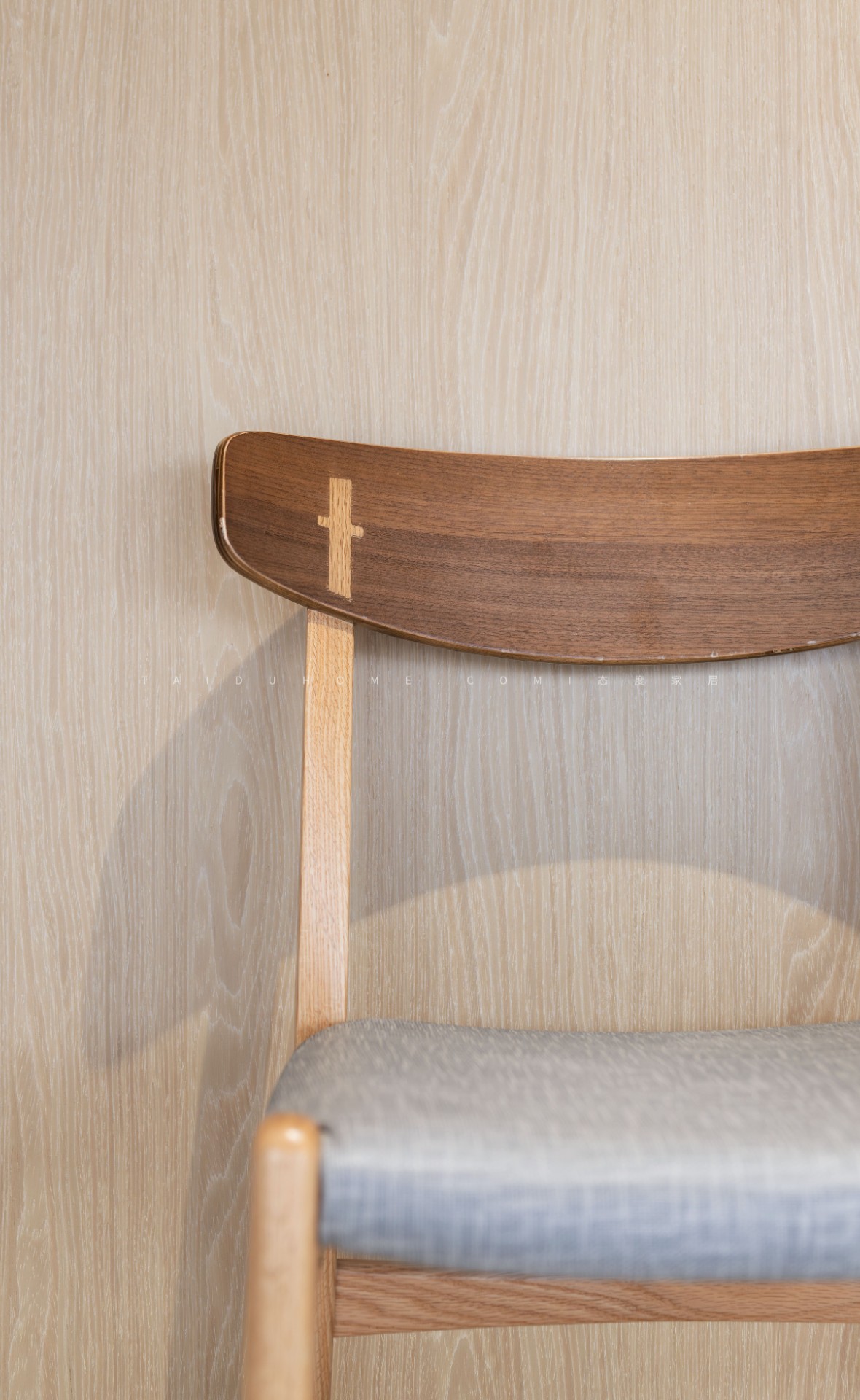
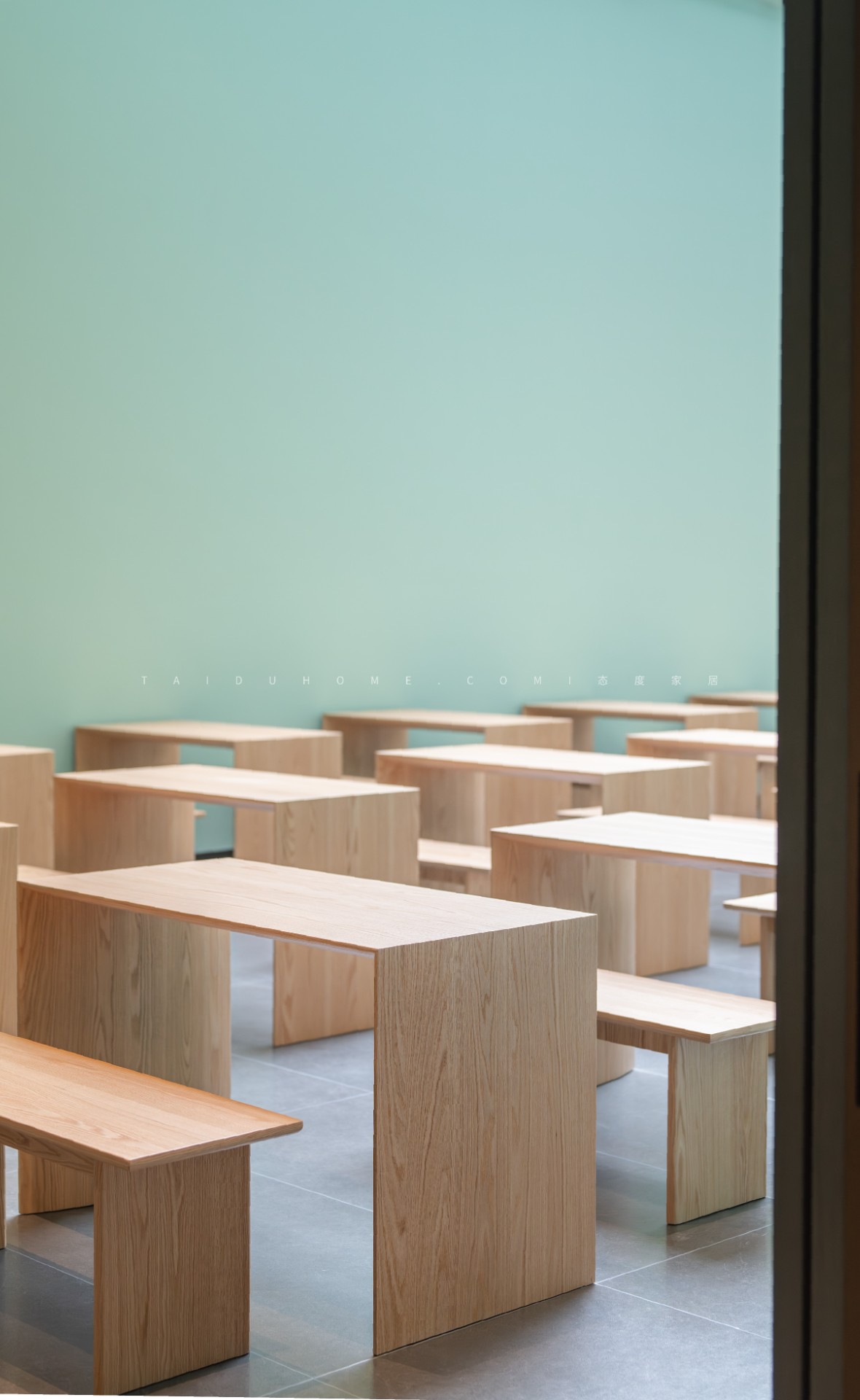
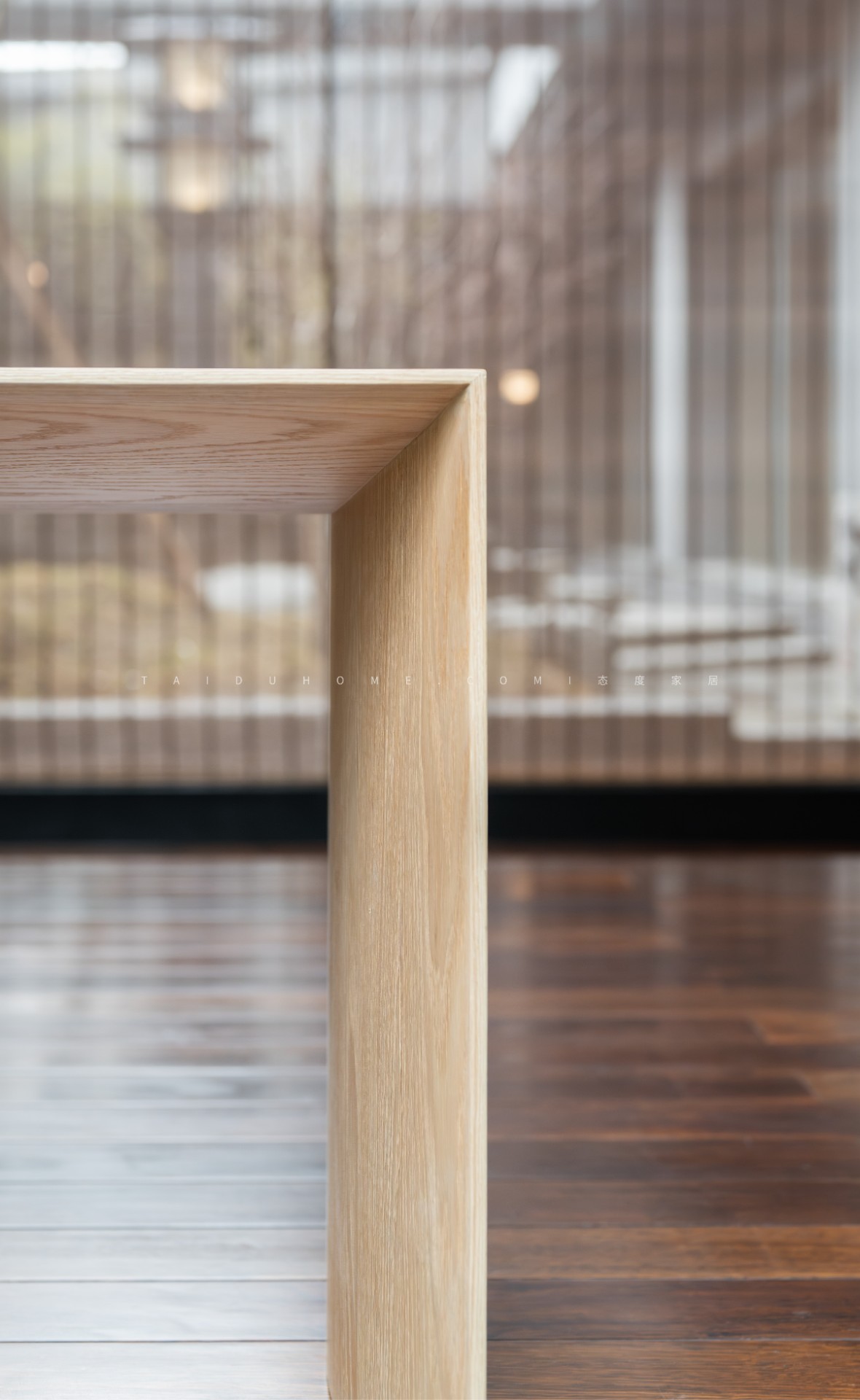
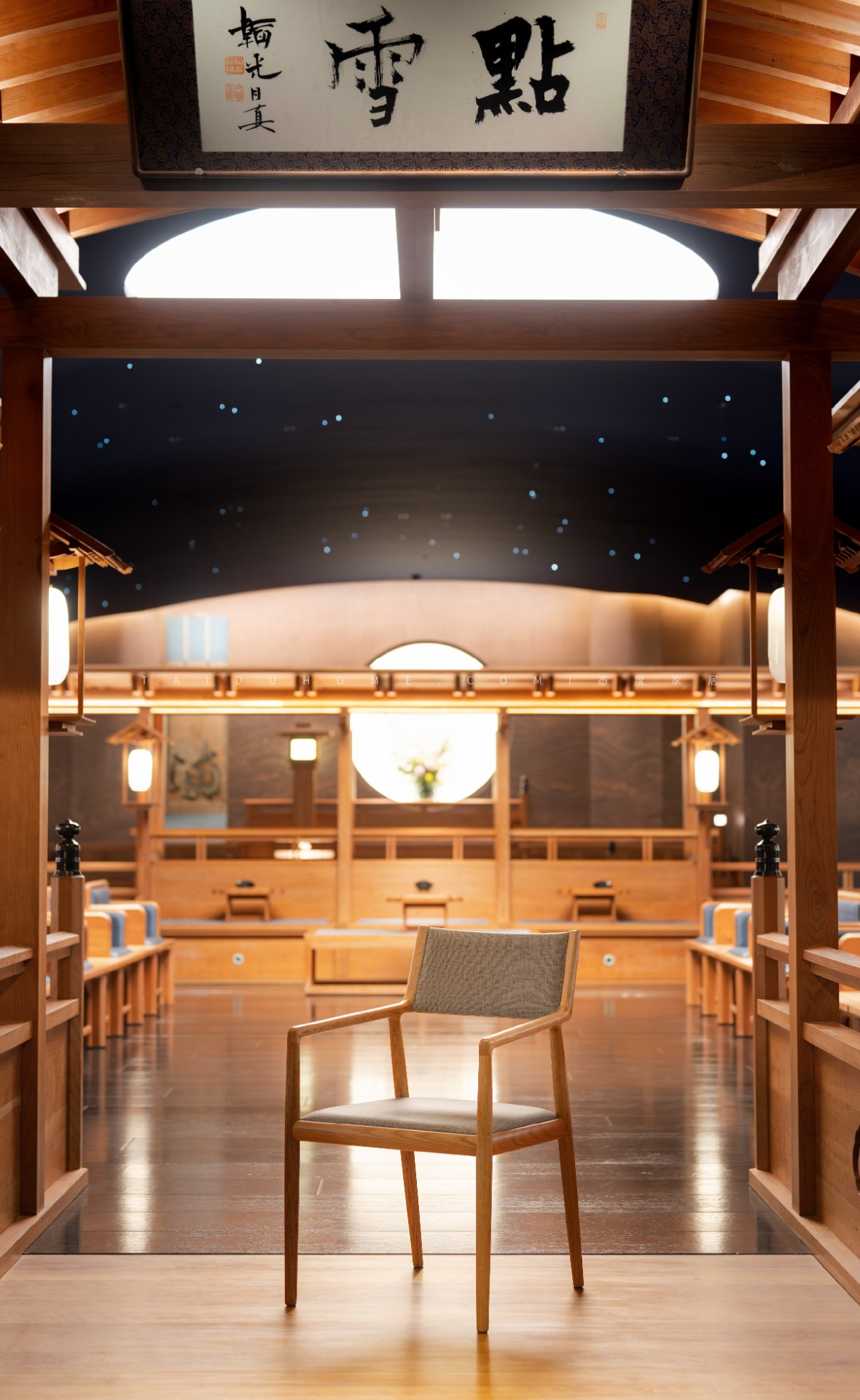
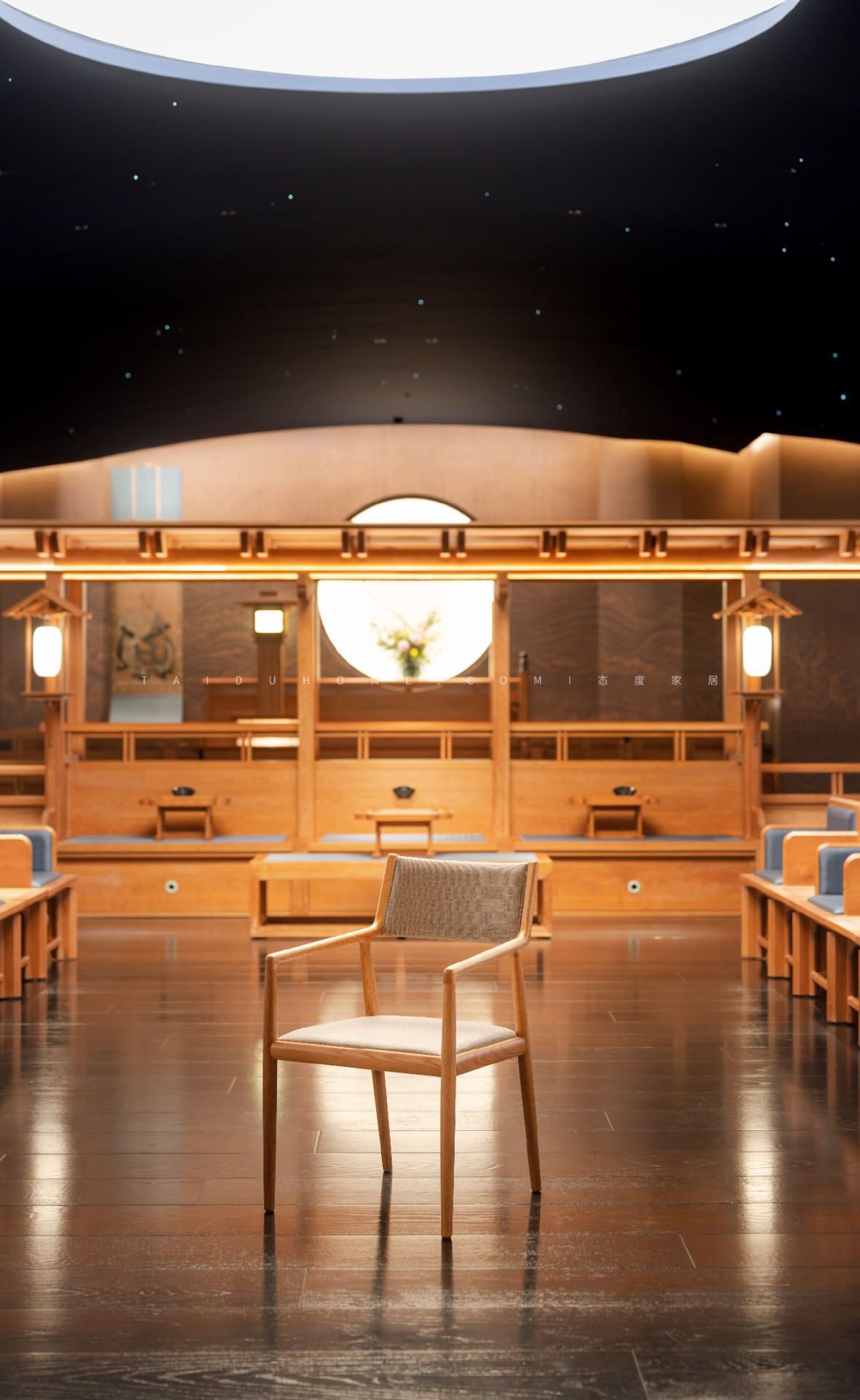
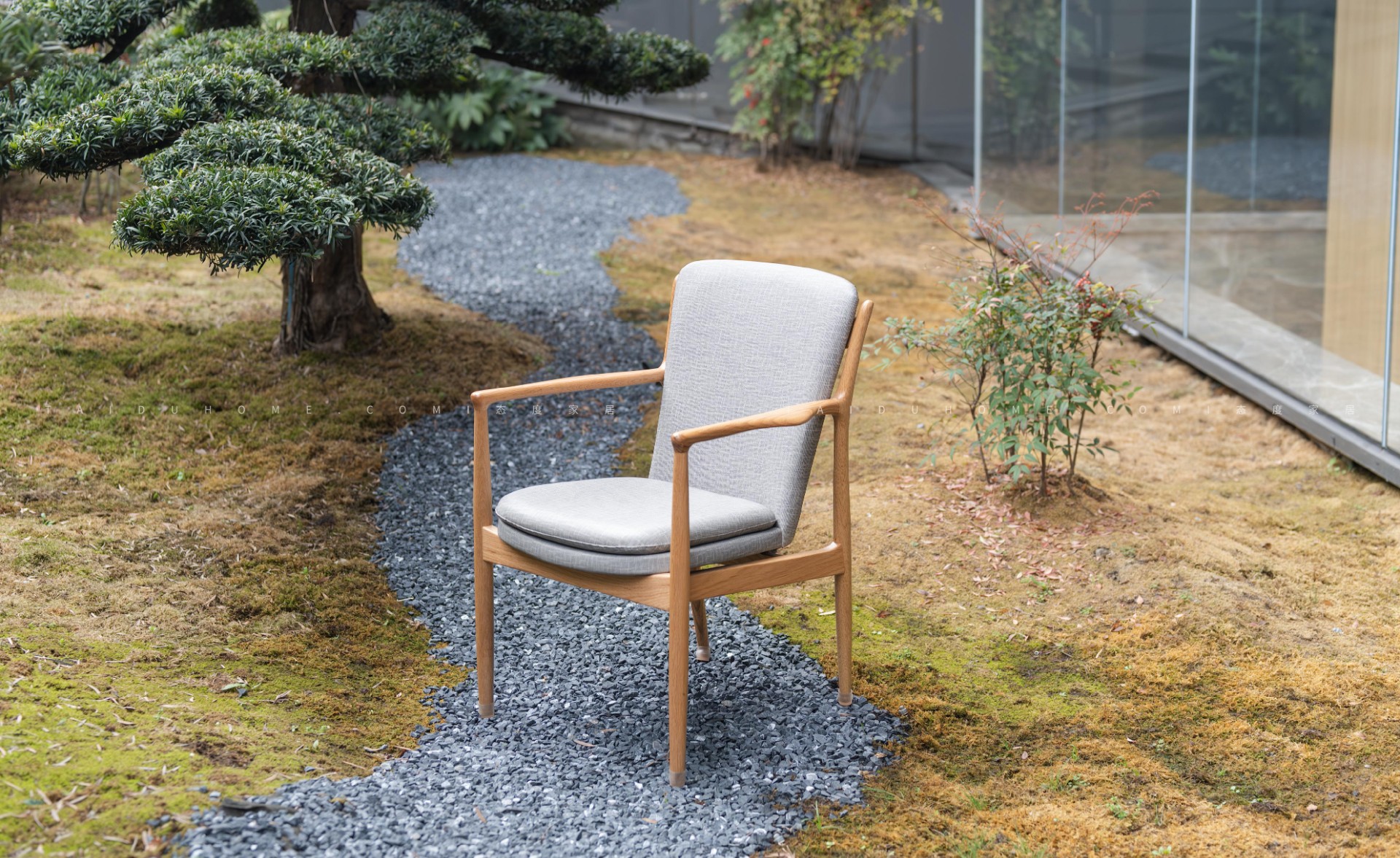
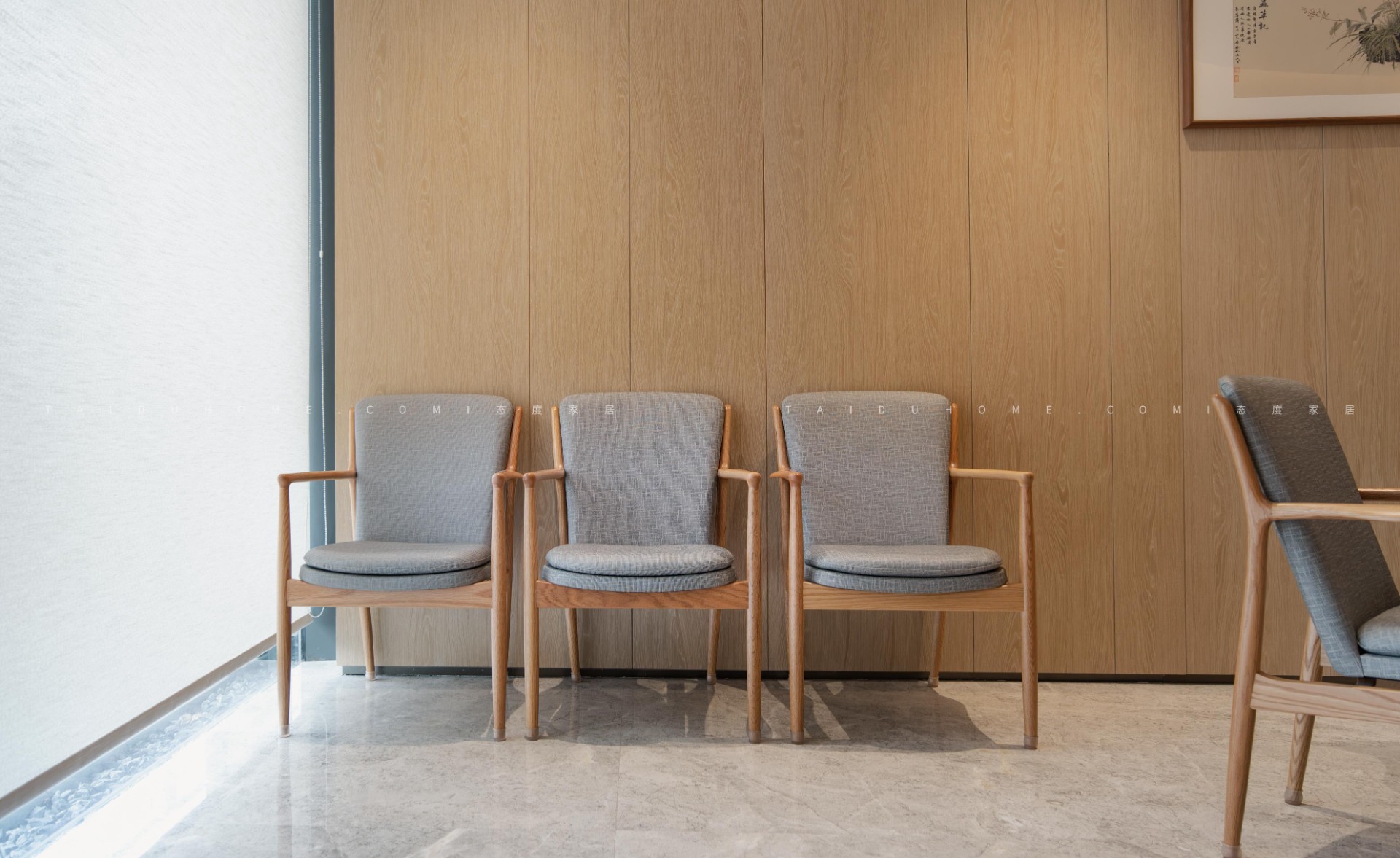
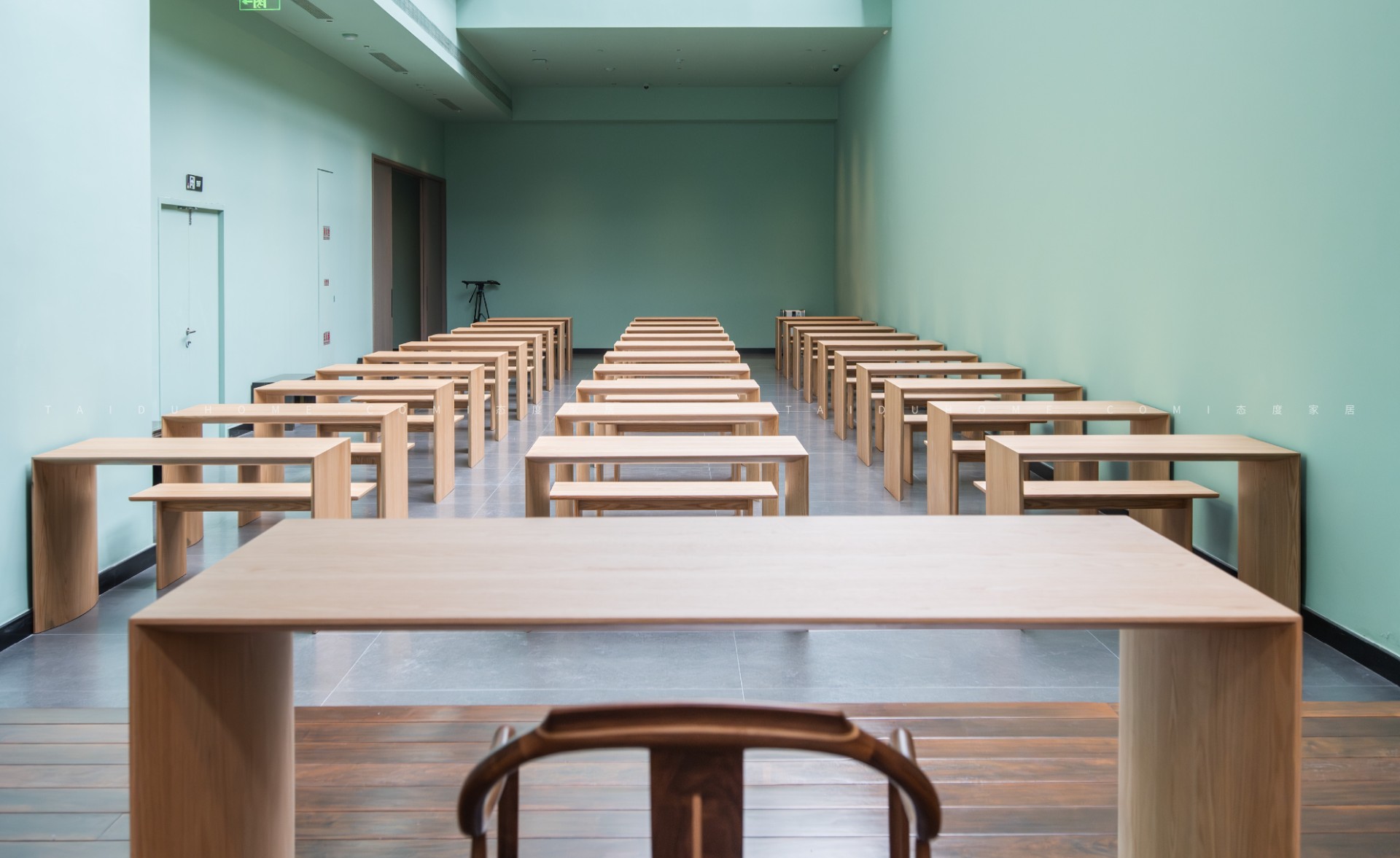
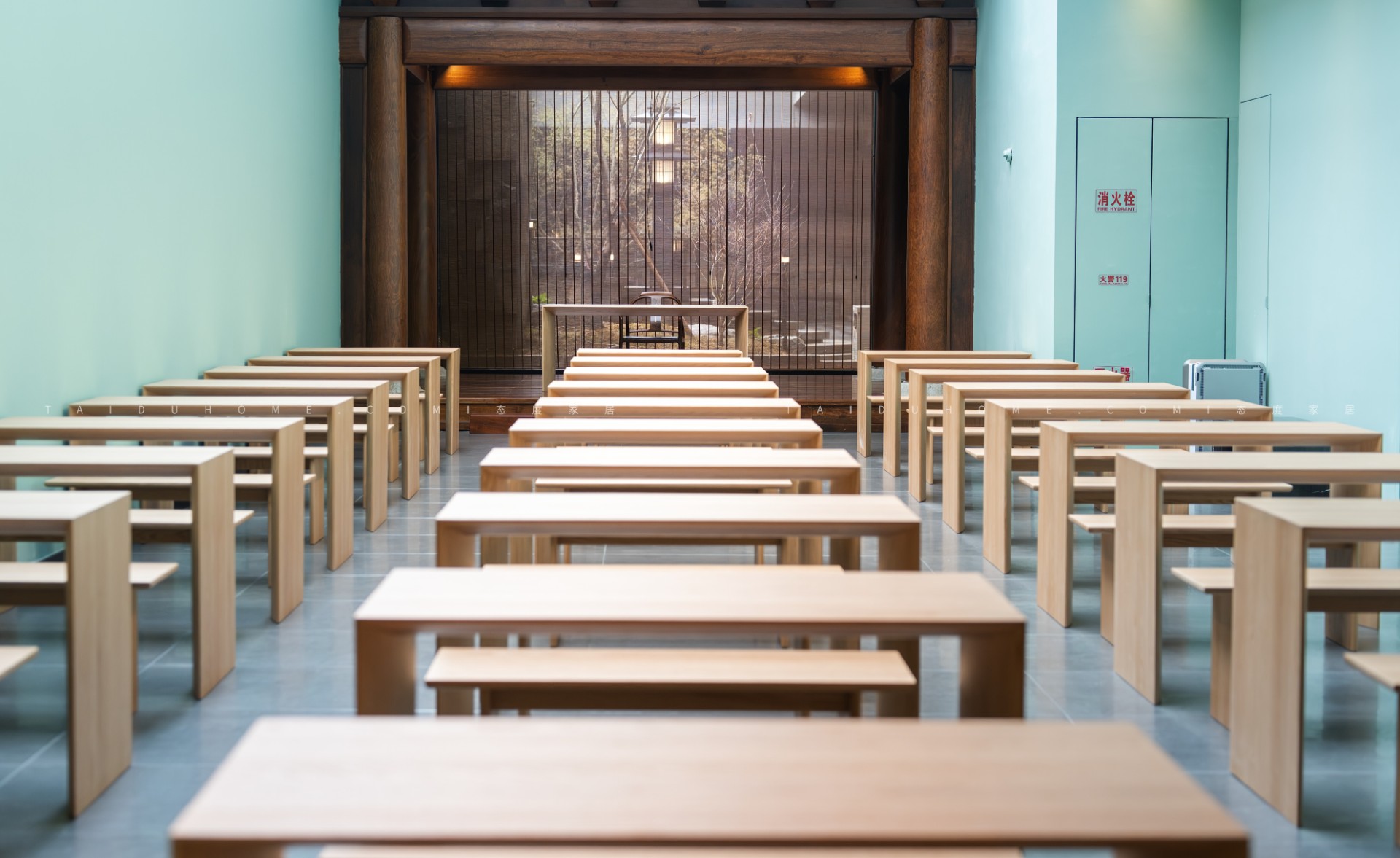
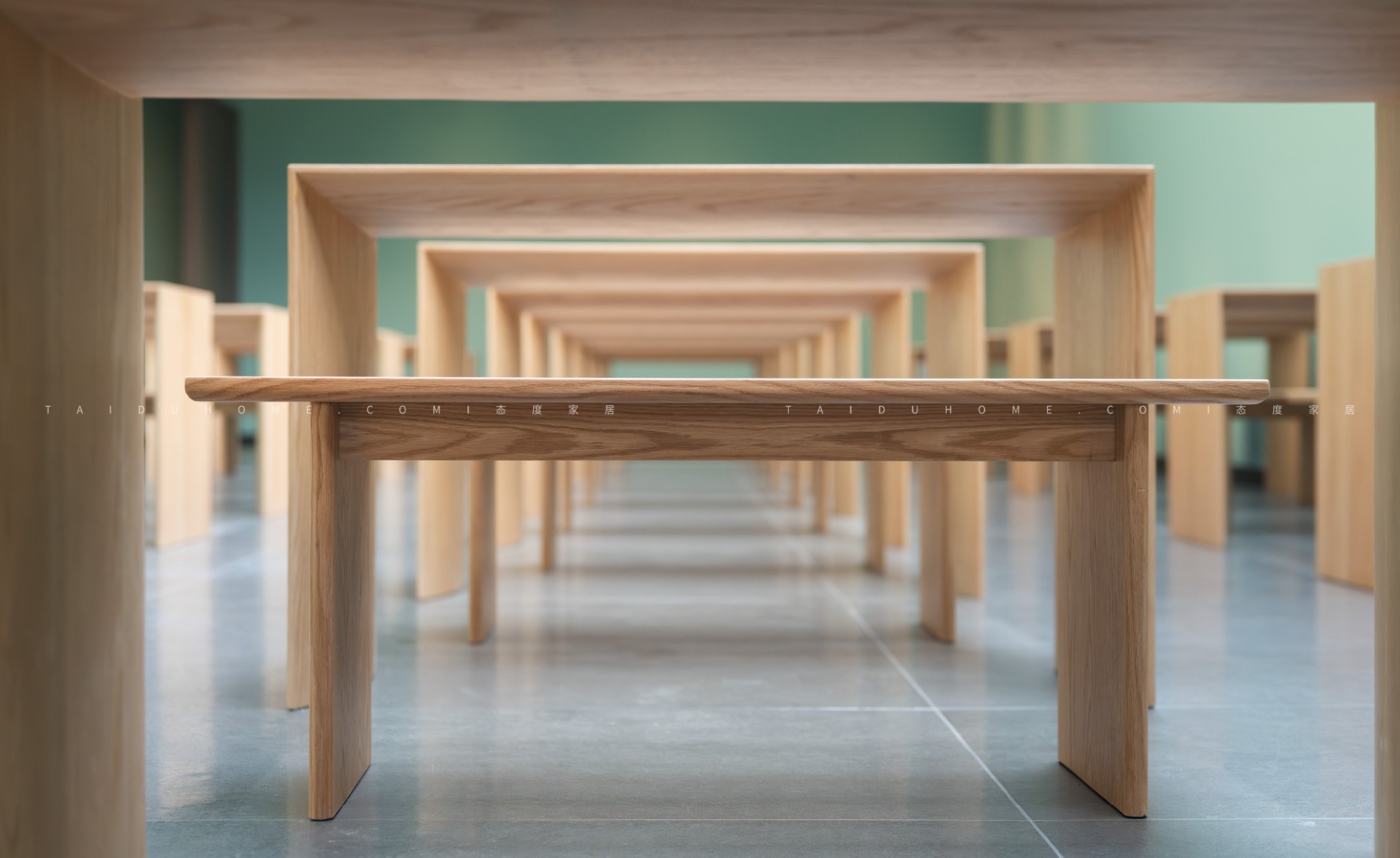
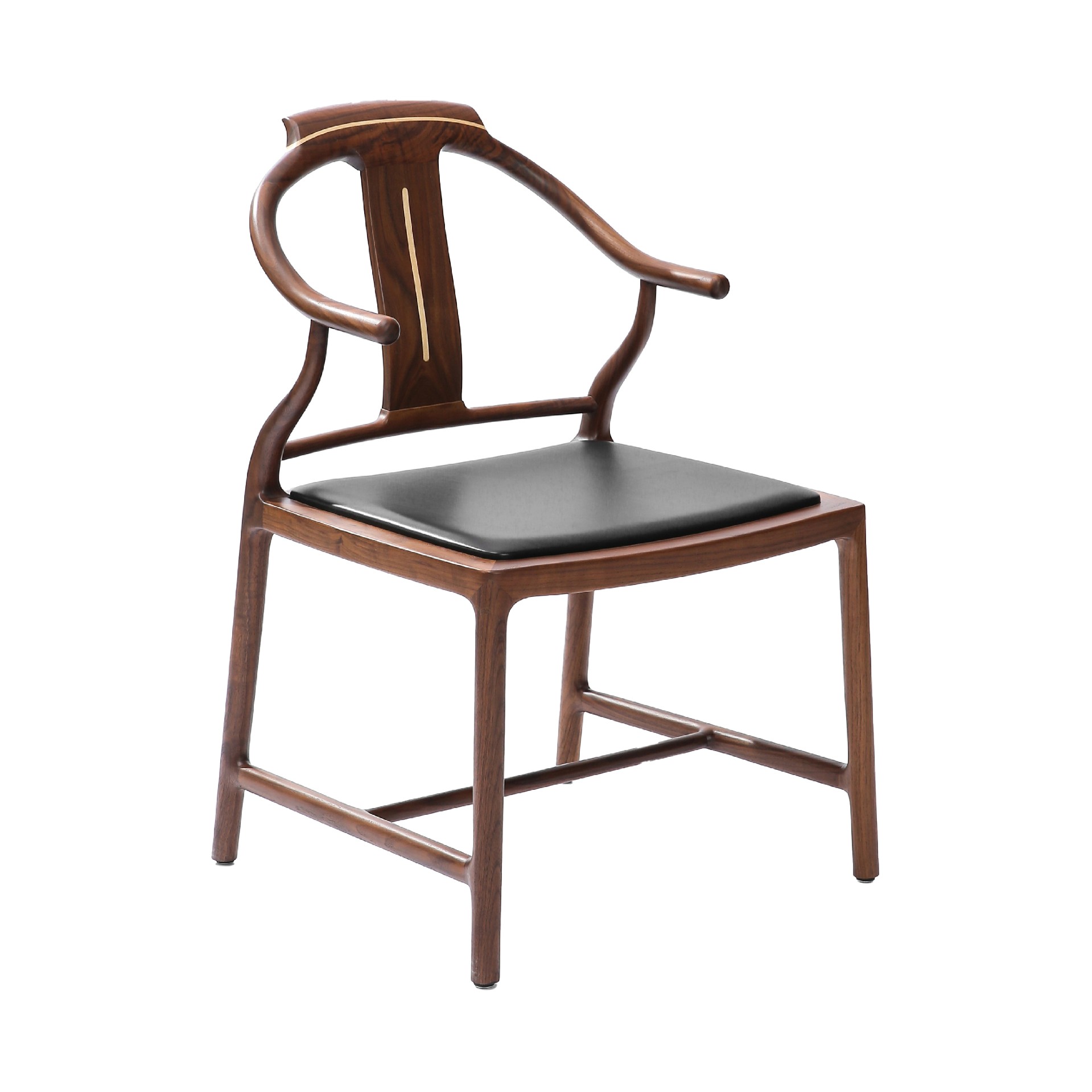
家具提供 态度家居
Furniture Supply taiduhome
-
发布日期 2026, 03 30
Date Mar 30, 2026
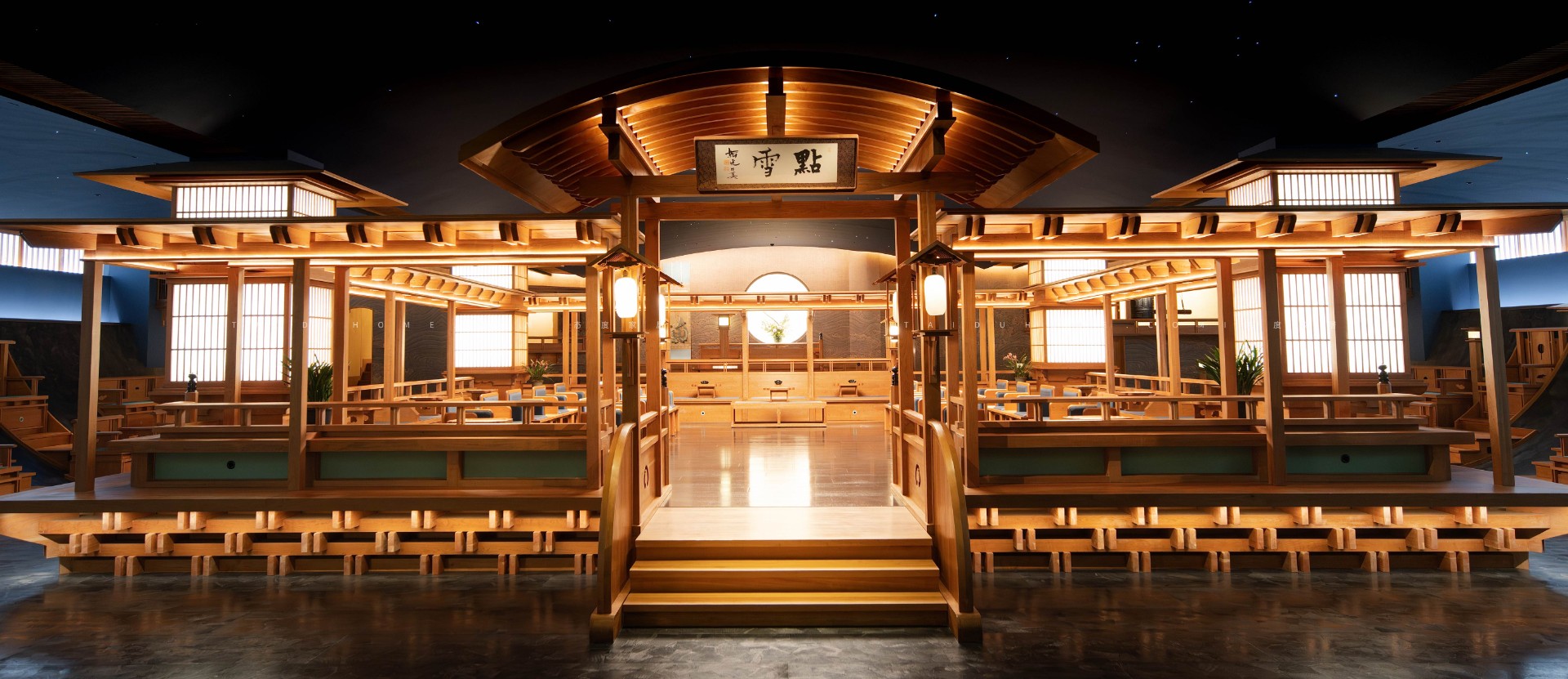
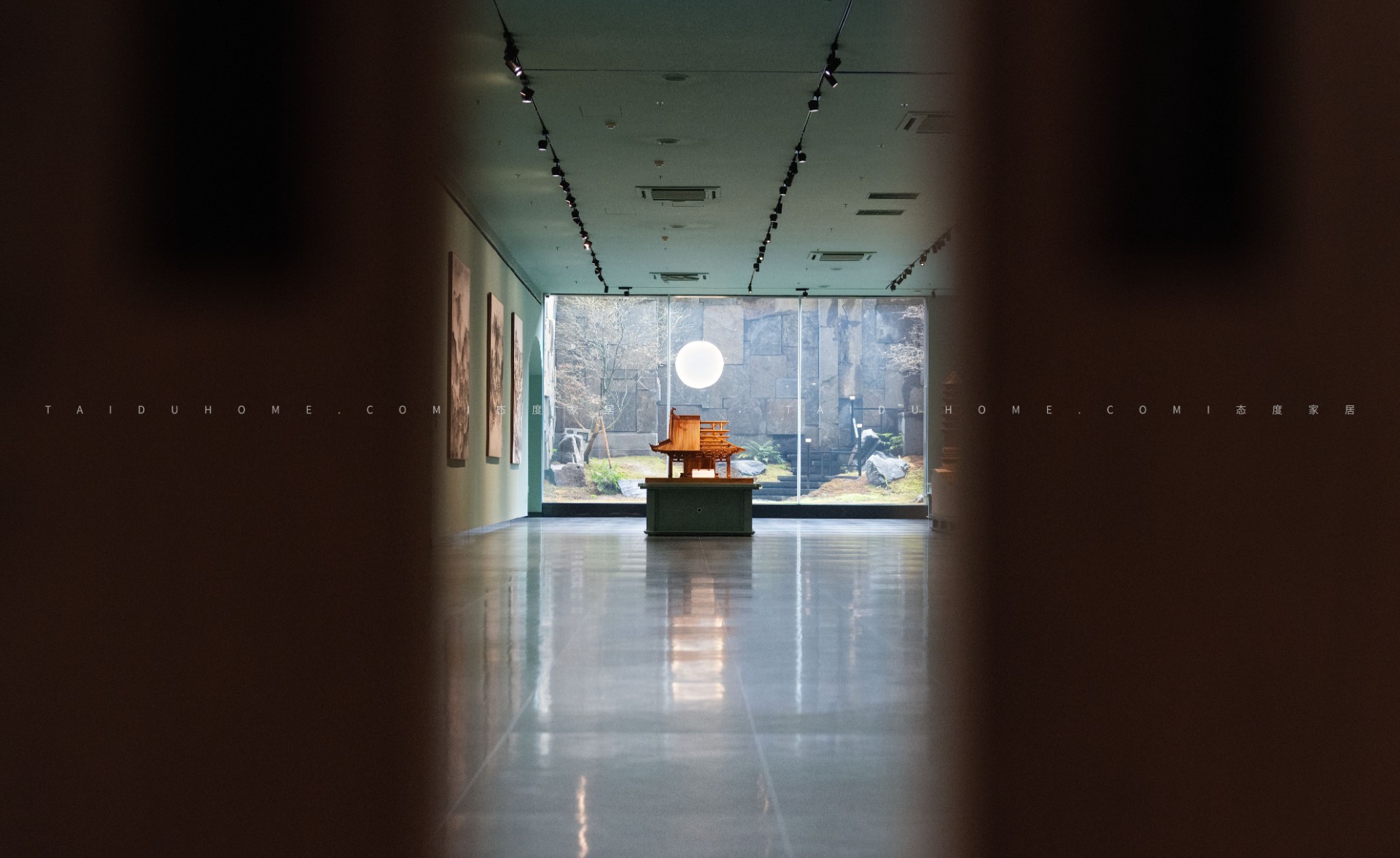
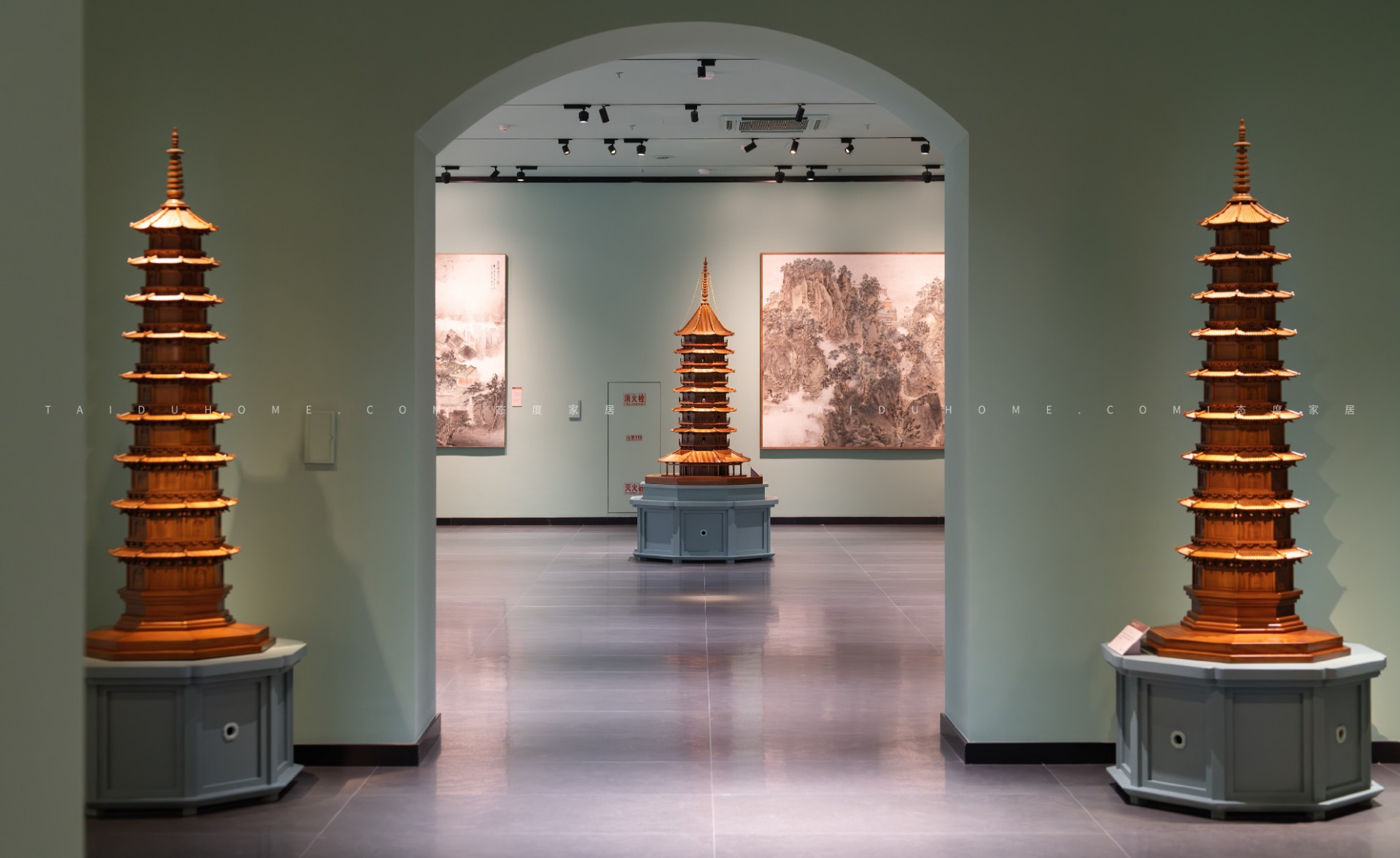
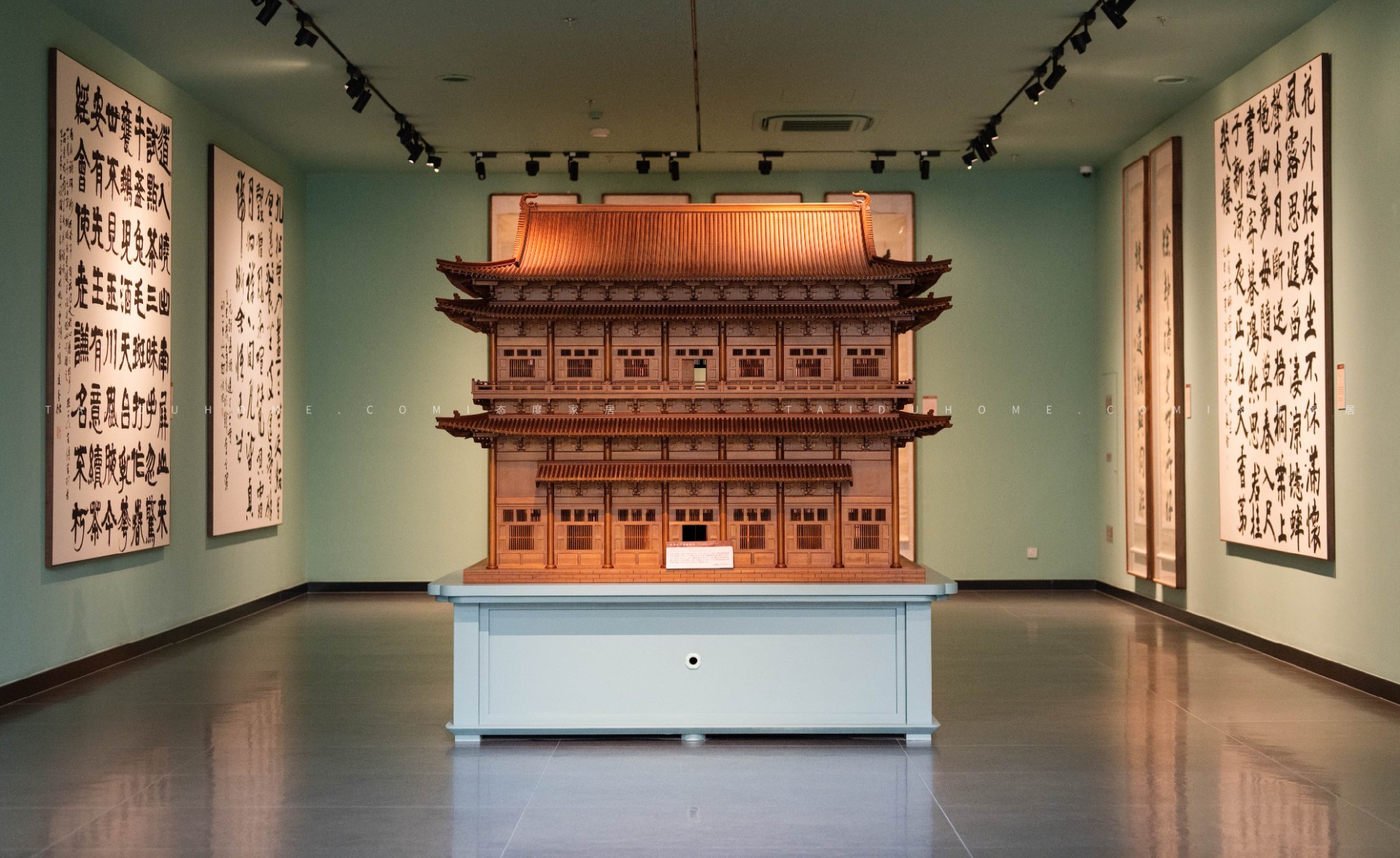
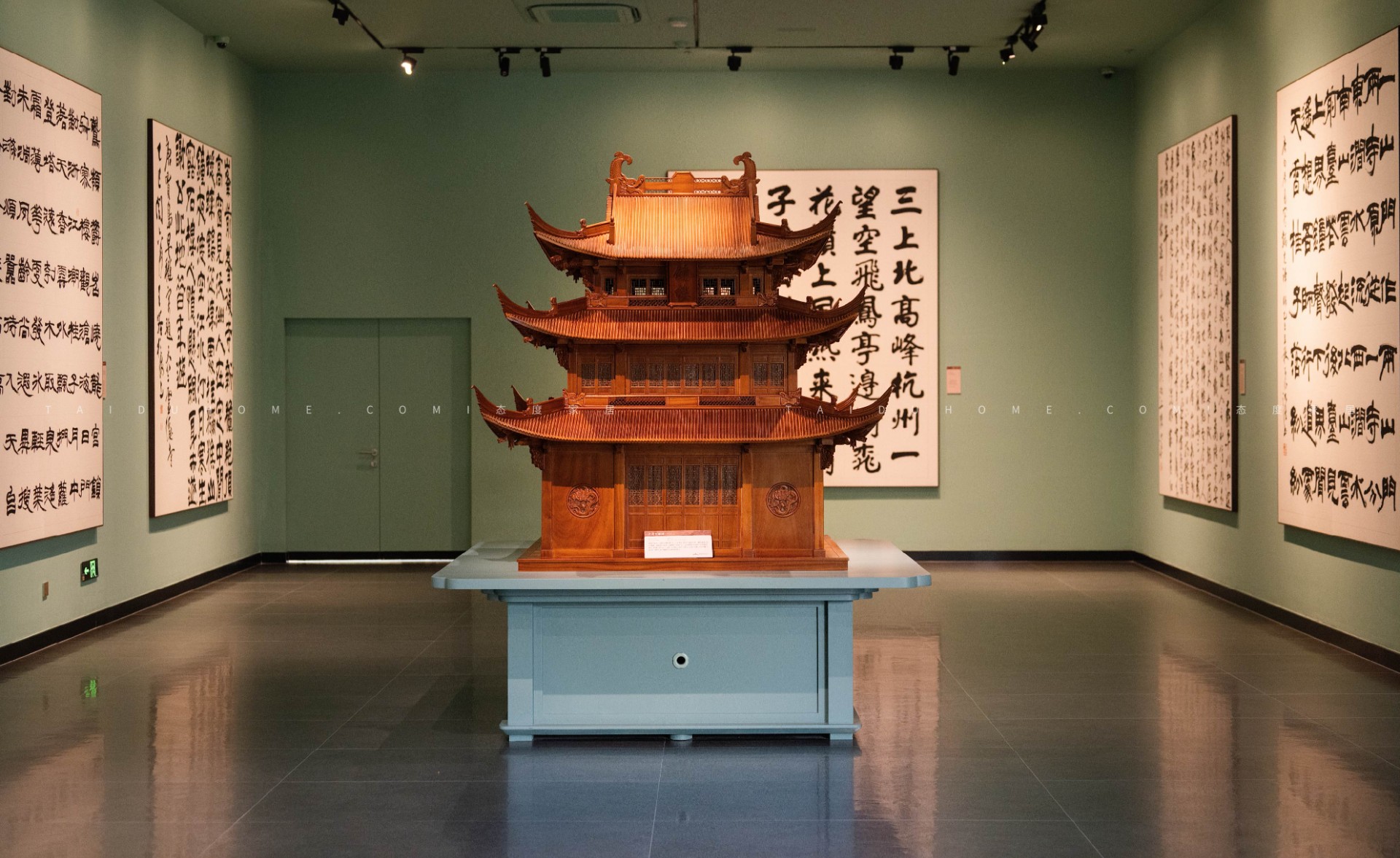
潮音入院,山水有形 I
Chaoyin flows into the monastery, giving shape to mountains and waters
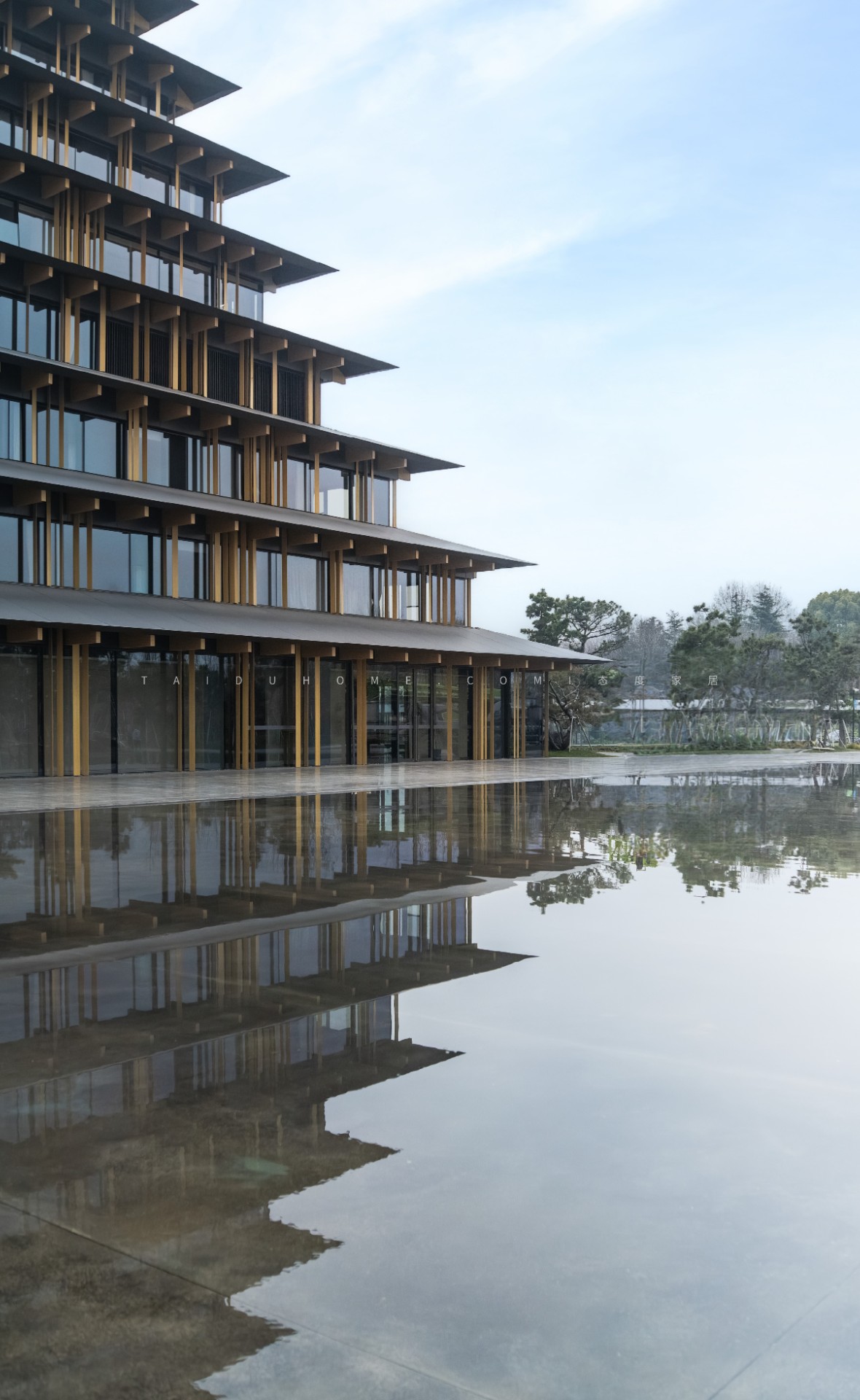
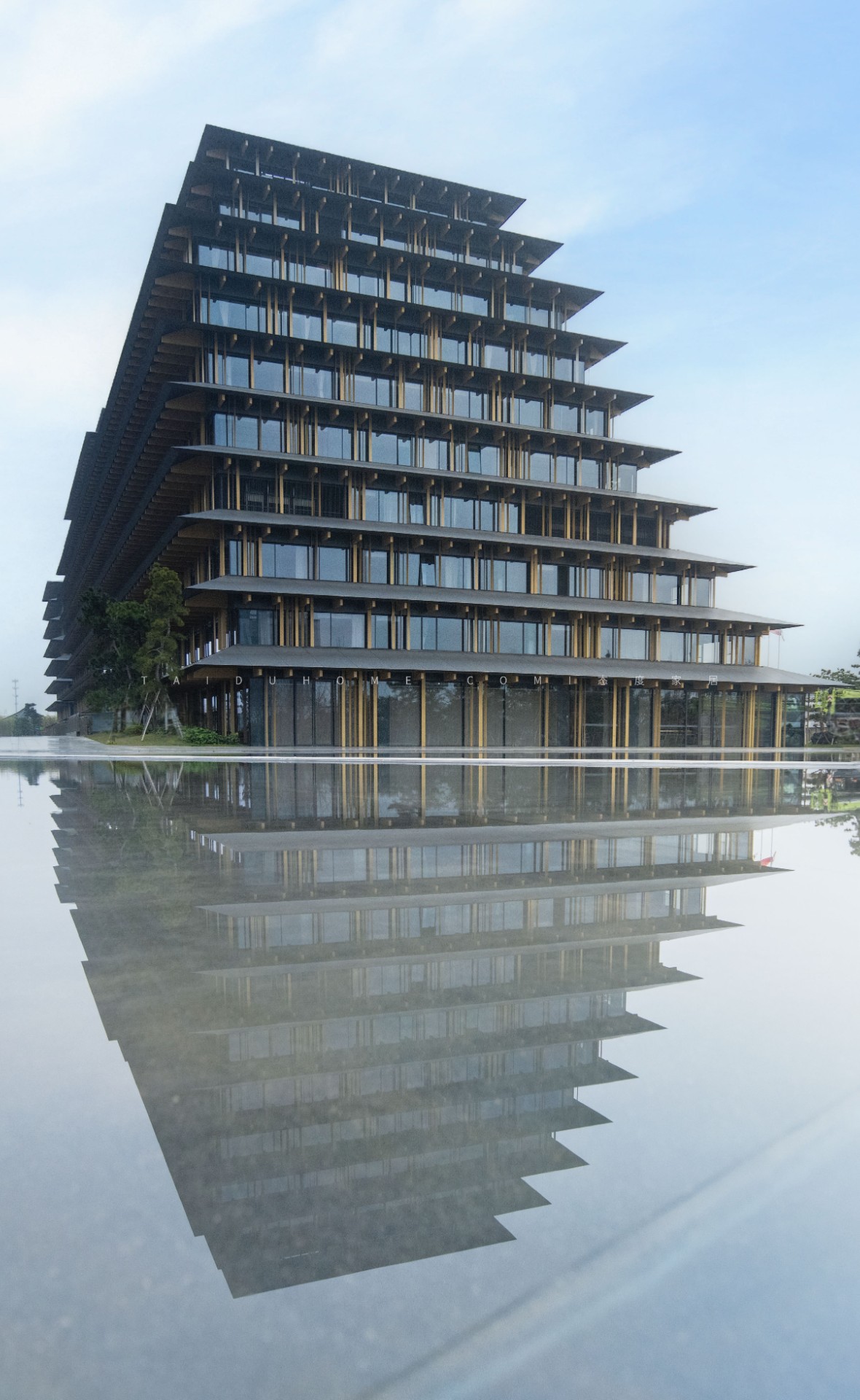
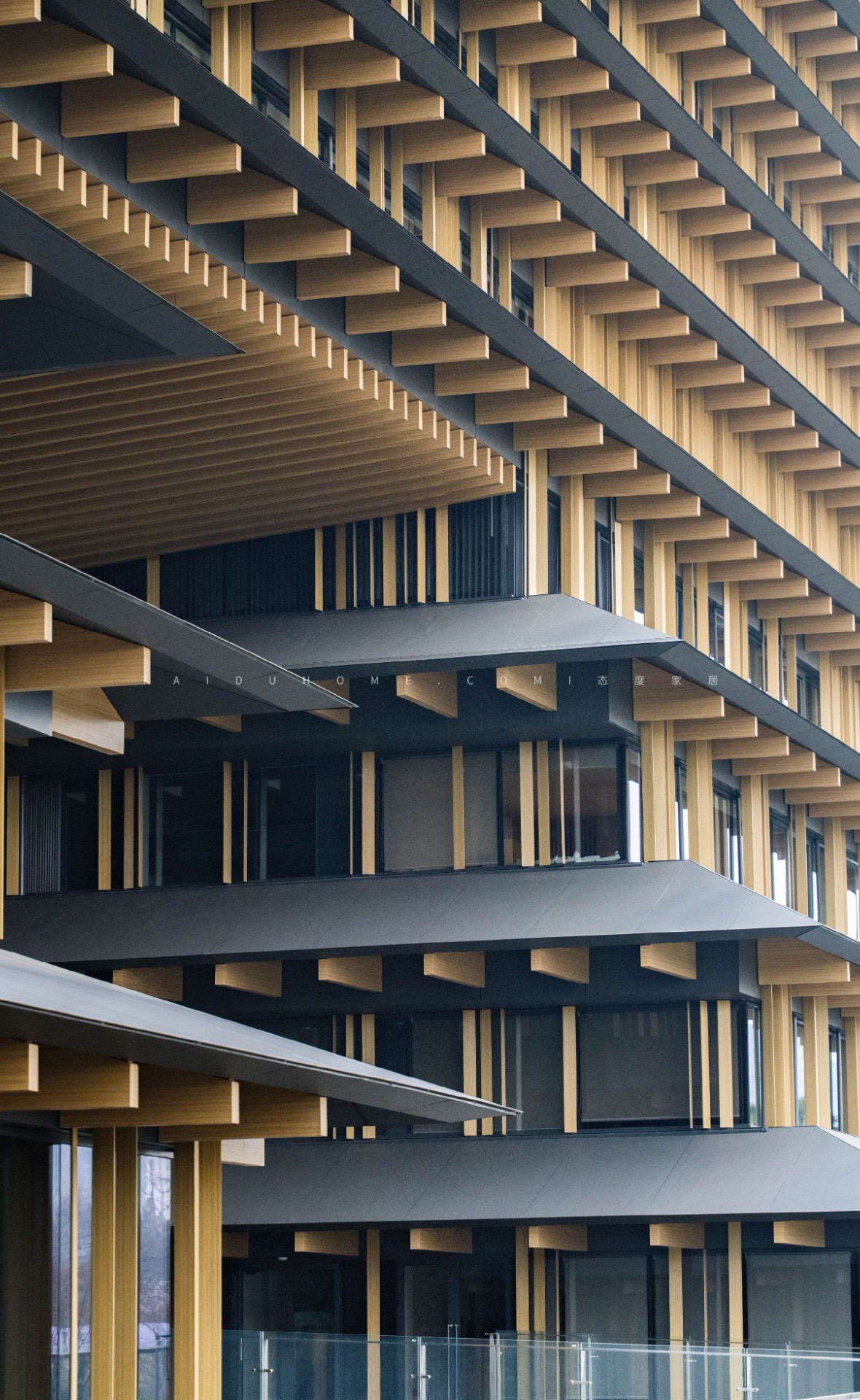
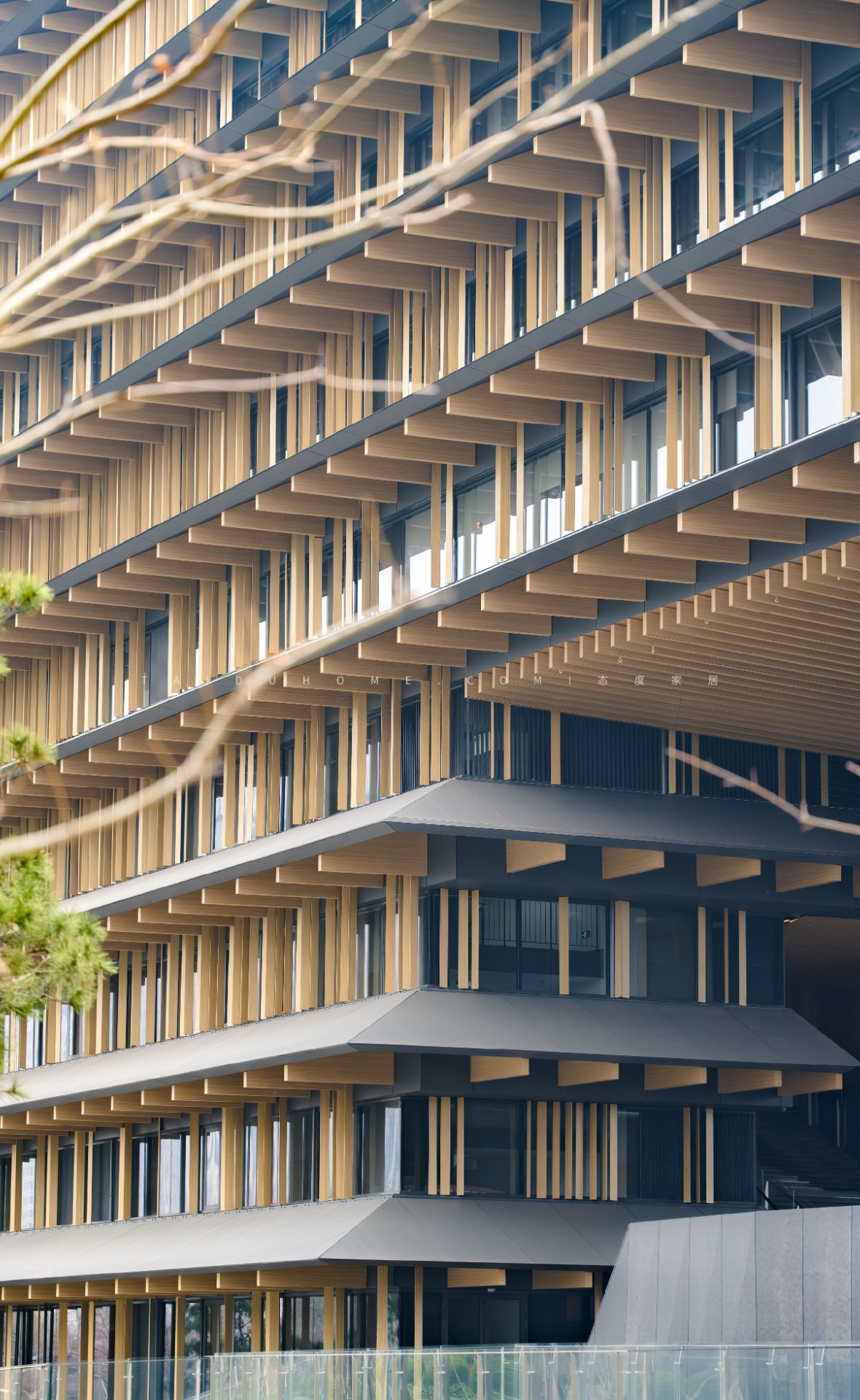
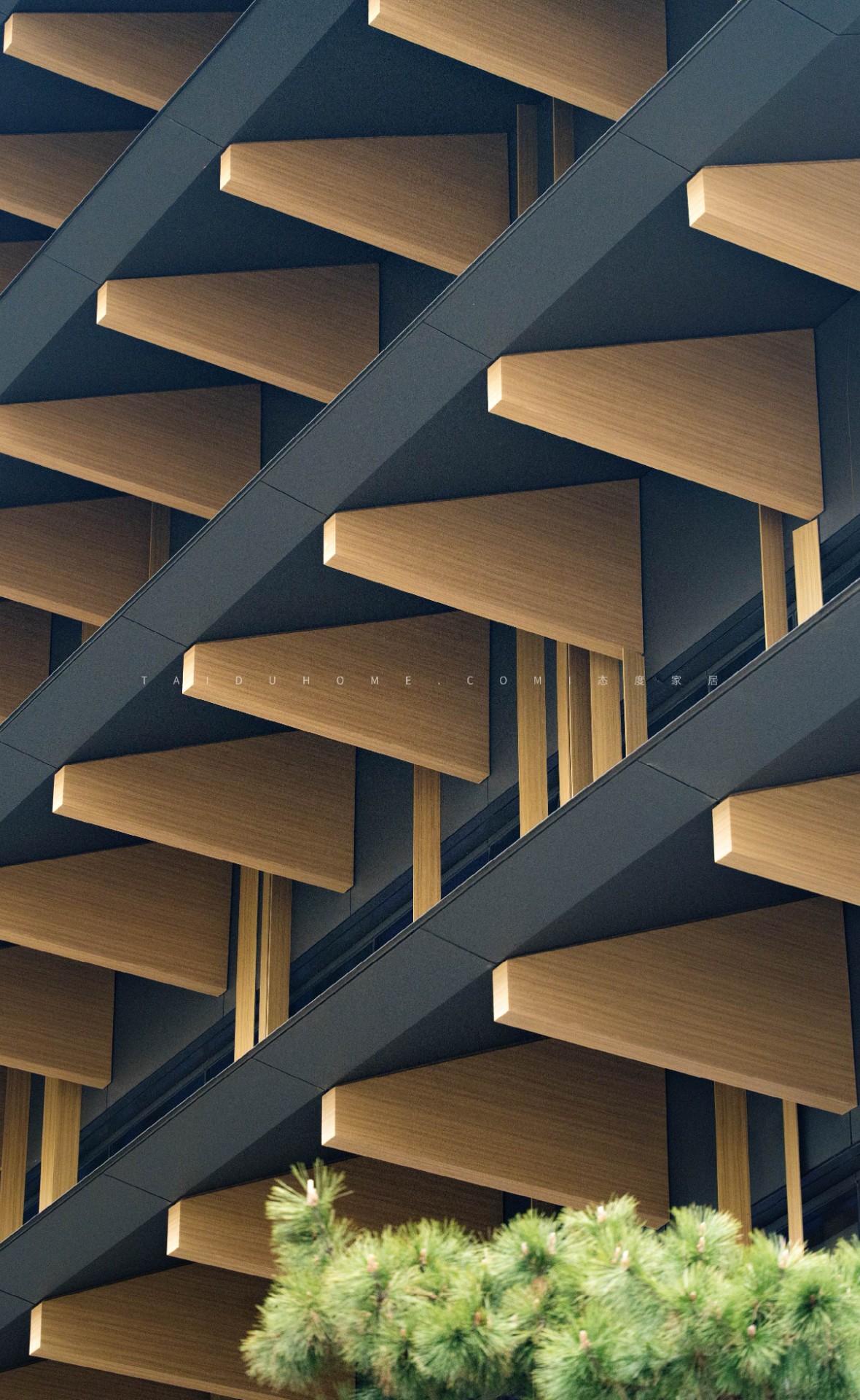
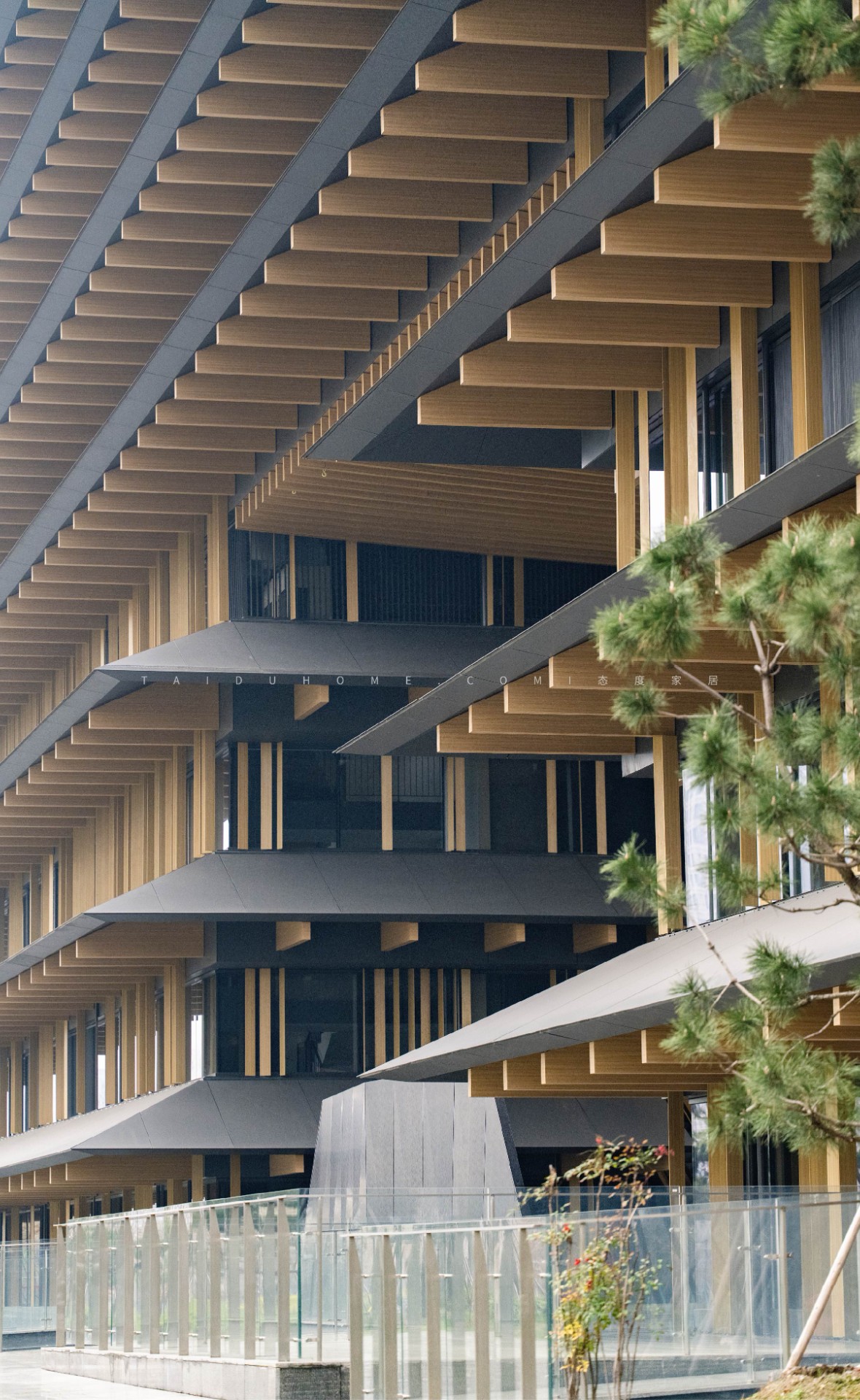
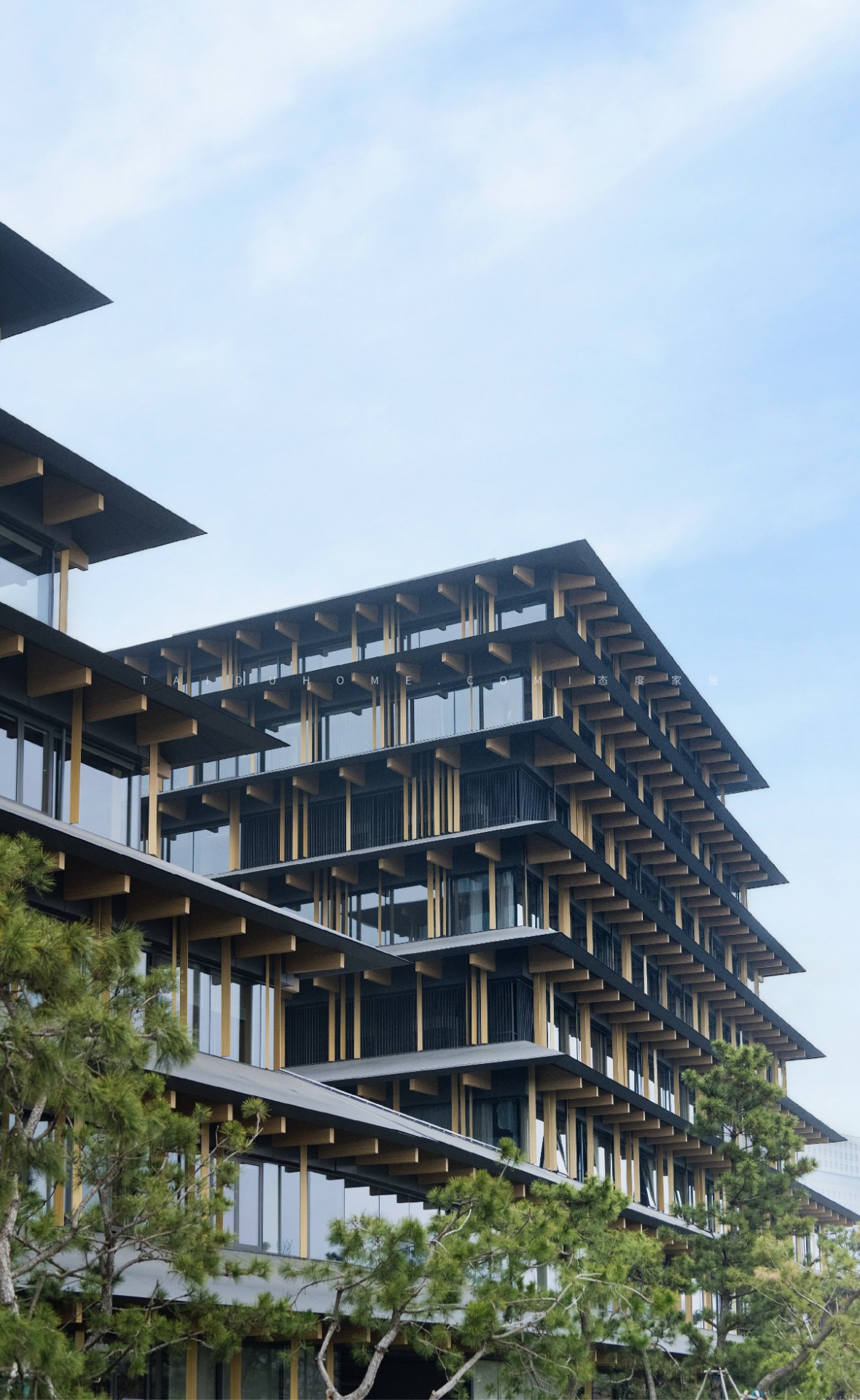
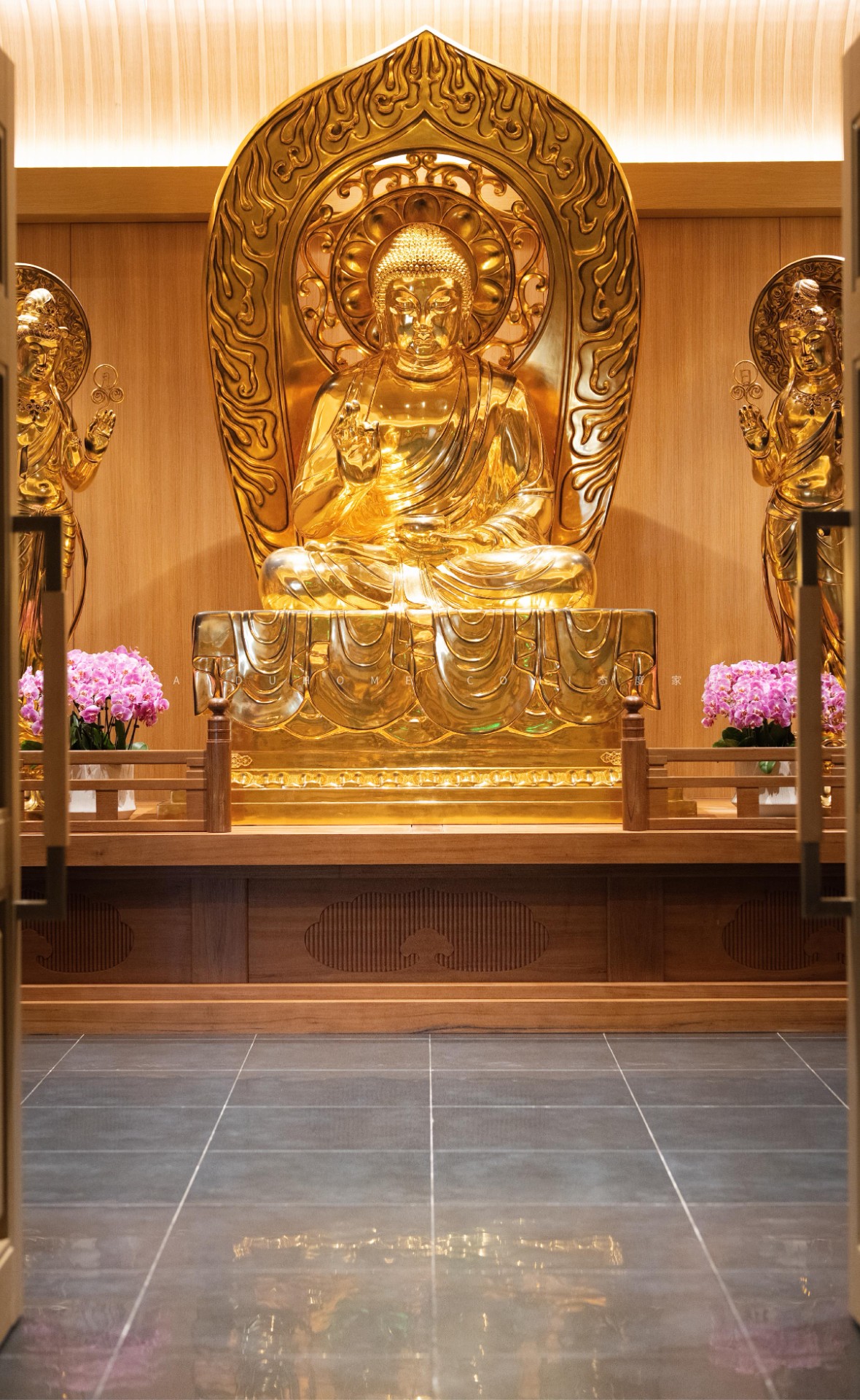
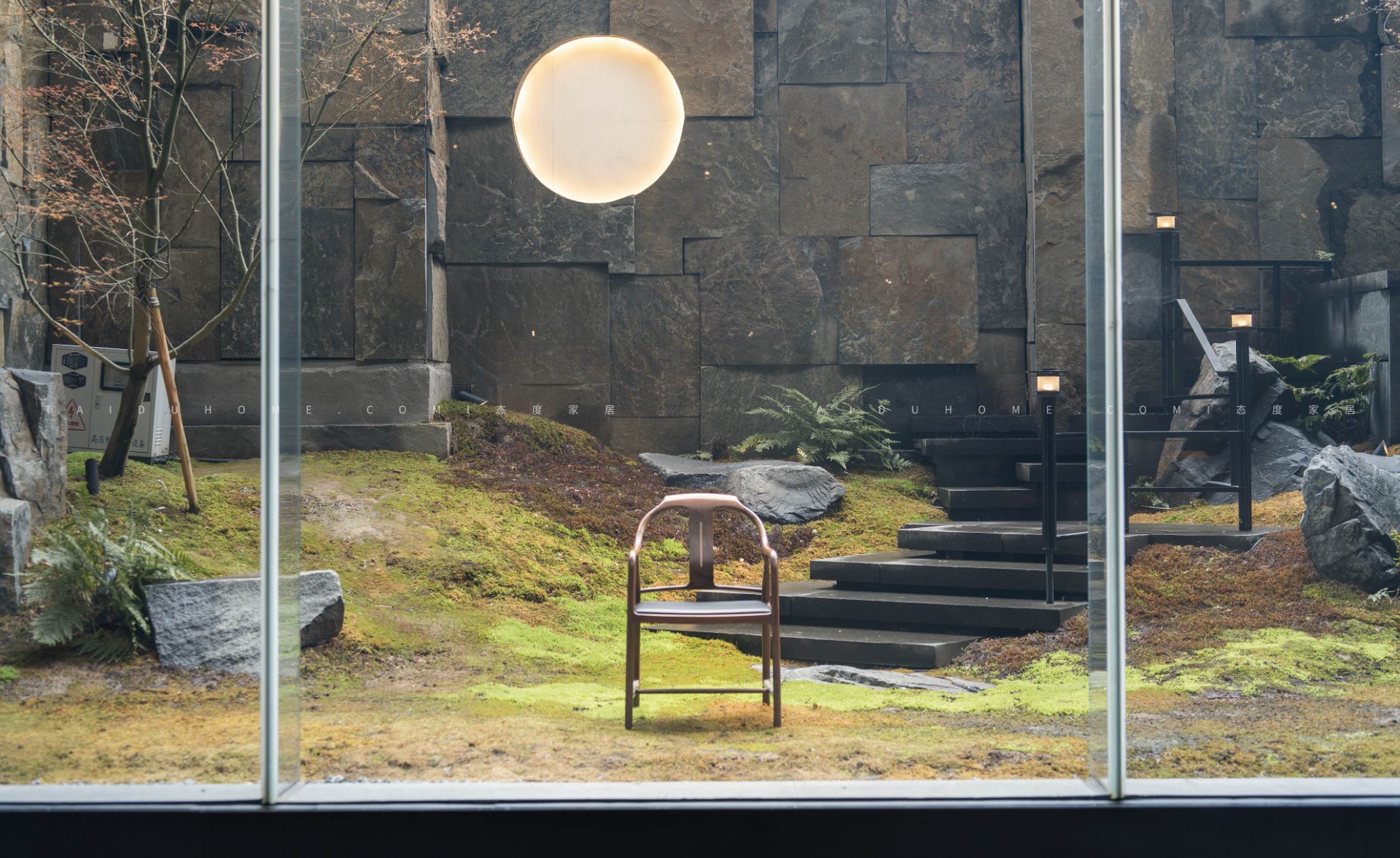
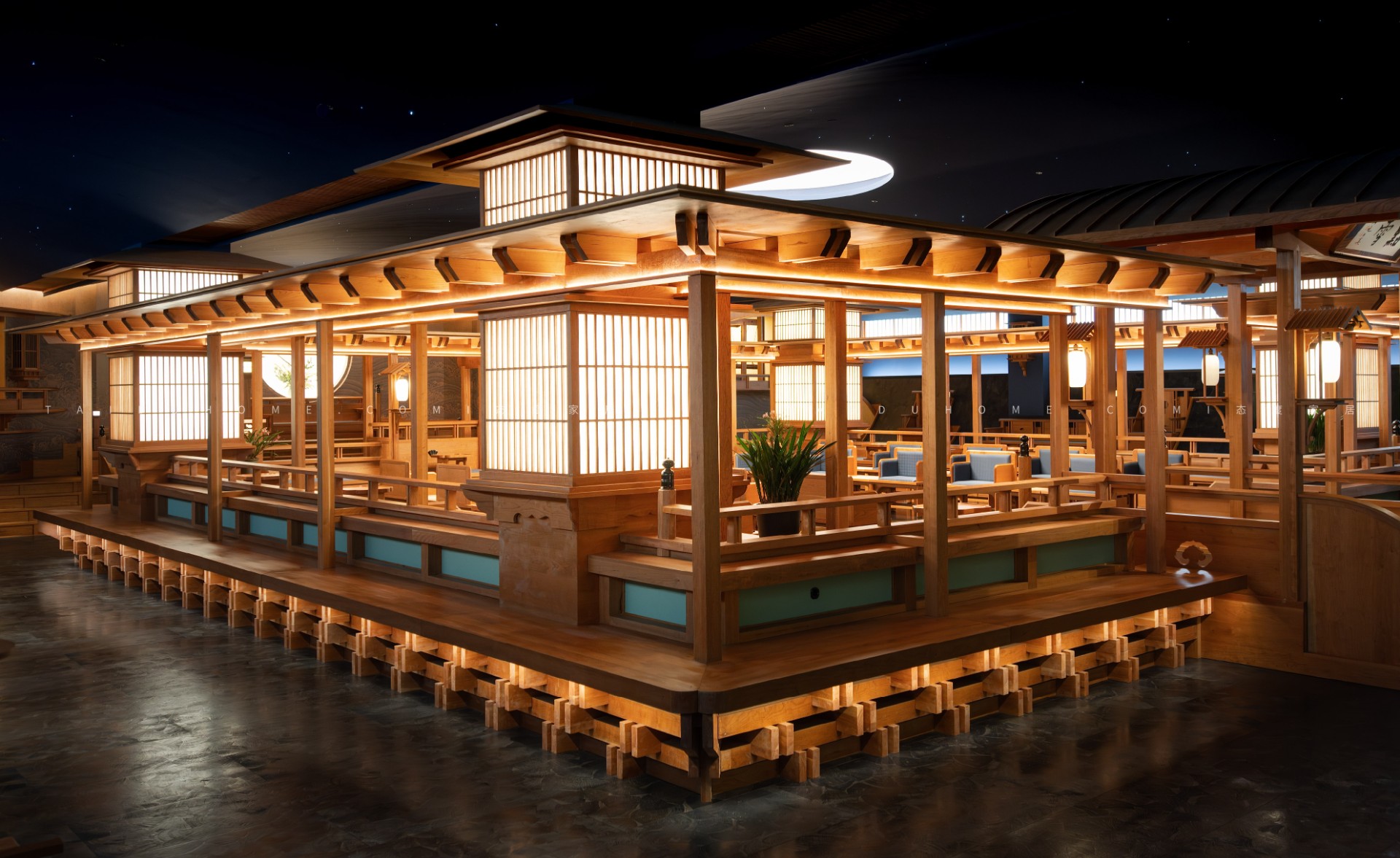
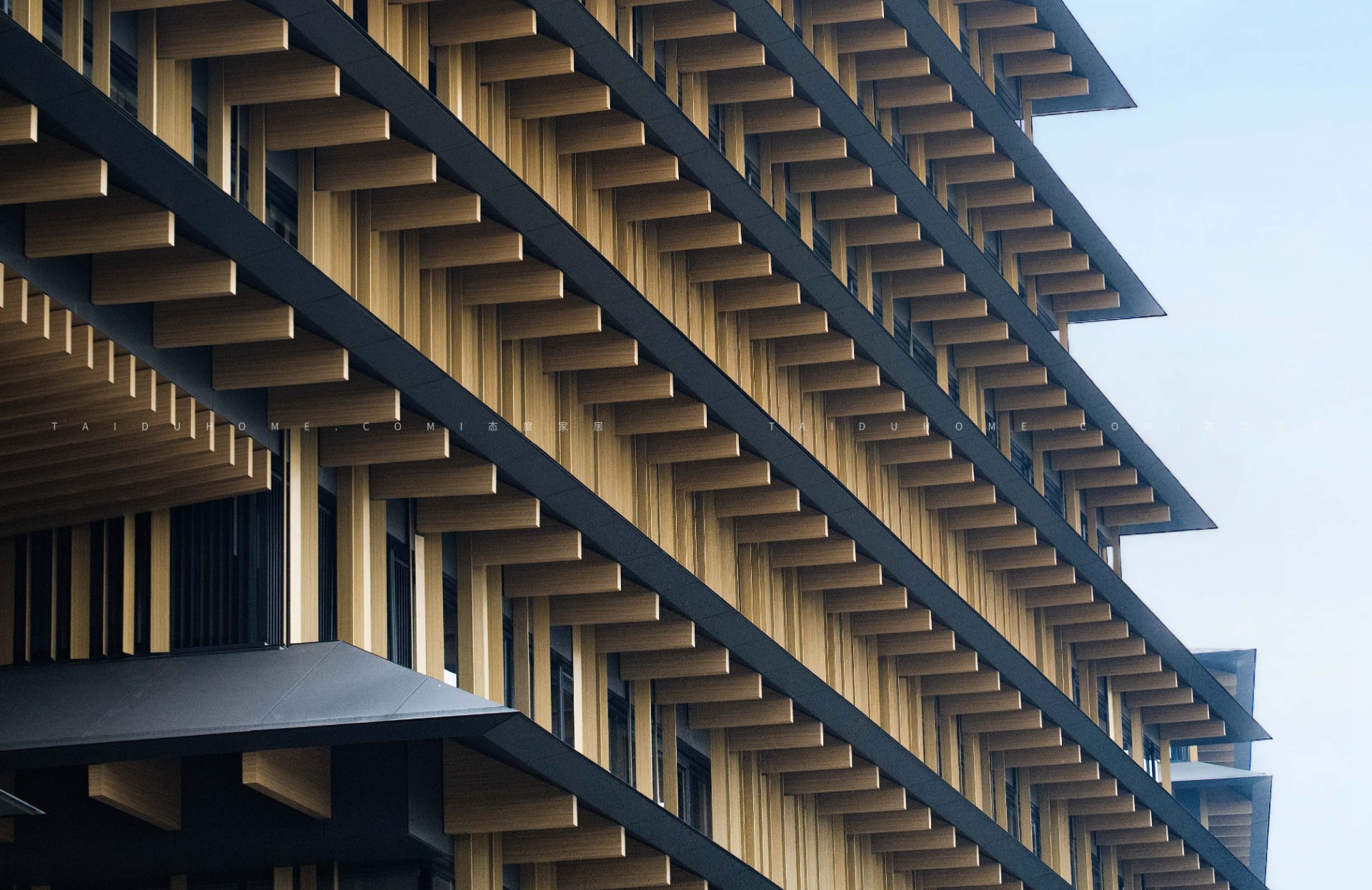
杭州潮音禅院(暨杭州国际佛教文化交流中心),始建为 “下沙咸水庙”,原址在瓮西乡同盘村,与余杭圆照寺并称 “南北咸水庙”,是沿江渔民与民众祈福之地,新院区由日本建筑大师隈研吾主持设计,坐落于钱塘江畔,在江水潮起潮落间,被重新安放、重新命名。
Chaoyin Zen Monastery, Hangzhou (also known as Hangzhou International Buddhist Cultural Exchange Center), was originally established as Xiasha Xianshui Temple, located in Tongpan Village, Wengxi Township. Together with Yu Hang’s Yuanzhao Temple, it was known as the “North and South Xianshui Temples,” serving as a place where riverside fishermen and local people prayed for blessings. The new monastery complex, designed by Japanese architect Kengo Kuma, is situated along the Qiantang River, where it has been repositioned and renamed, embracing the rhythm of the river’s tides.
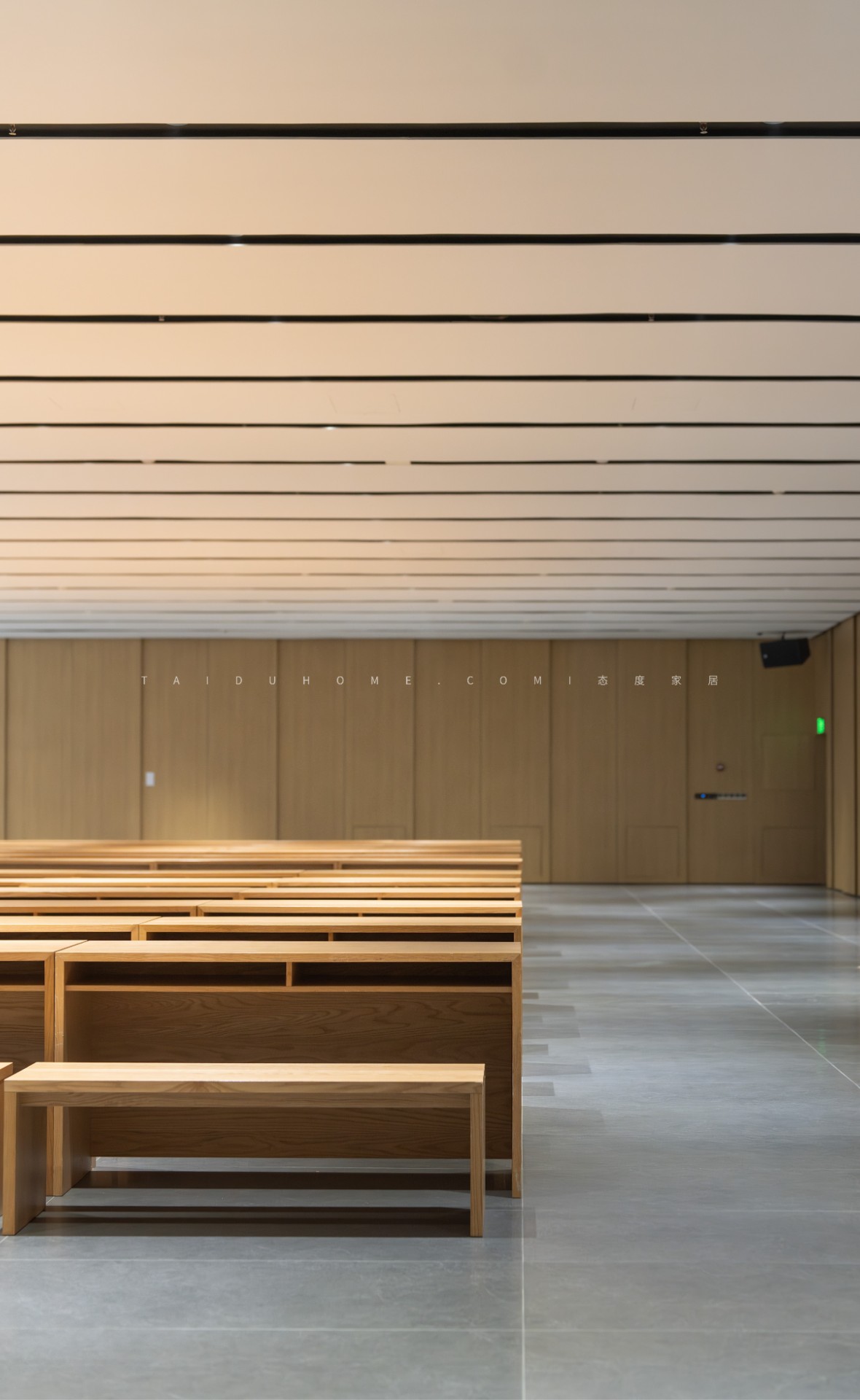
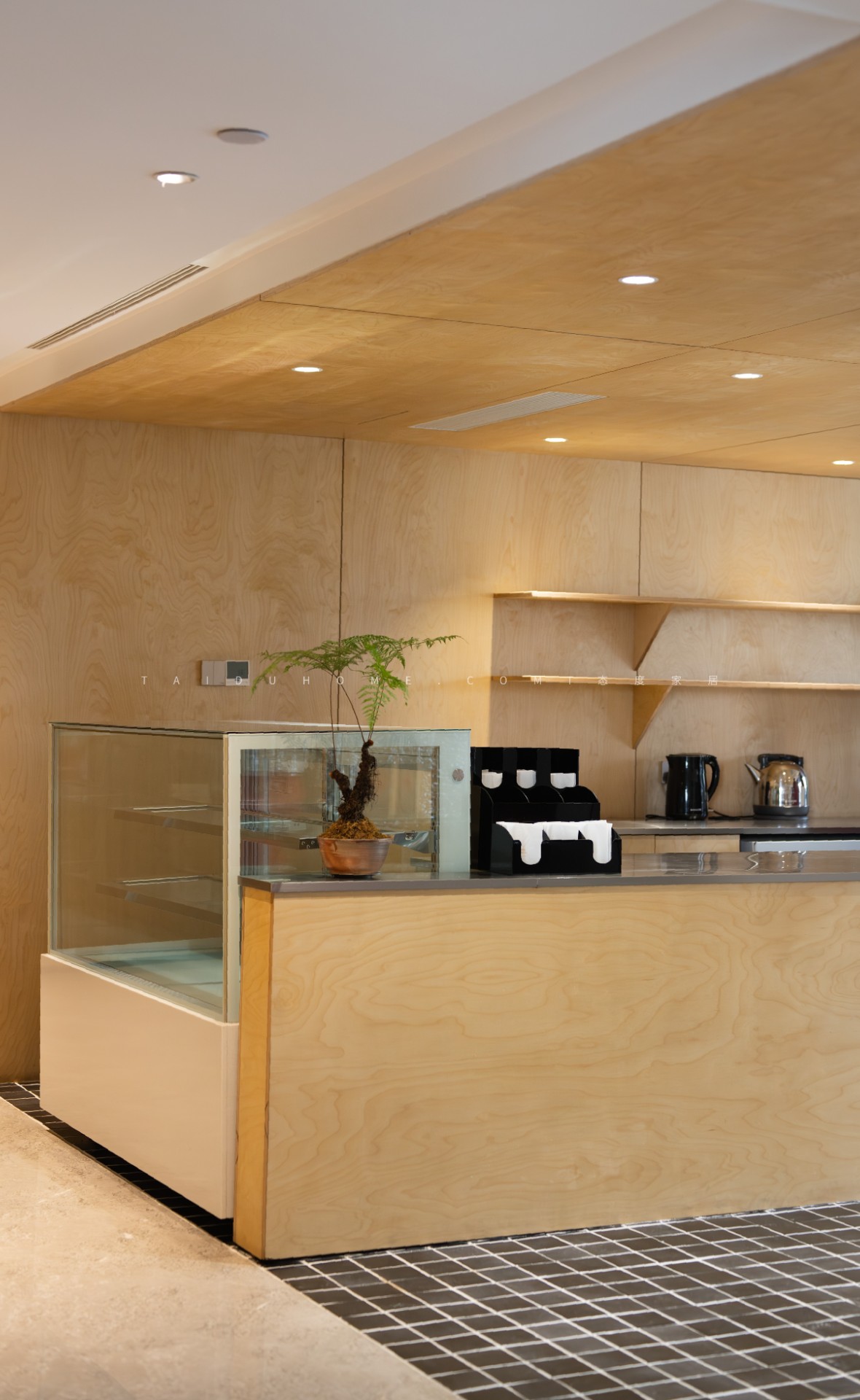
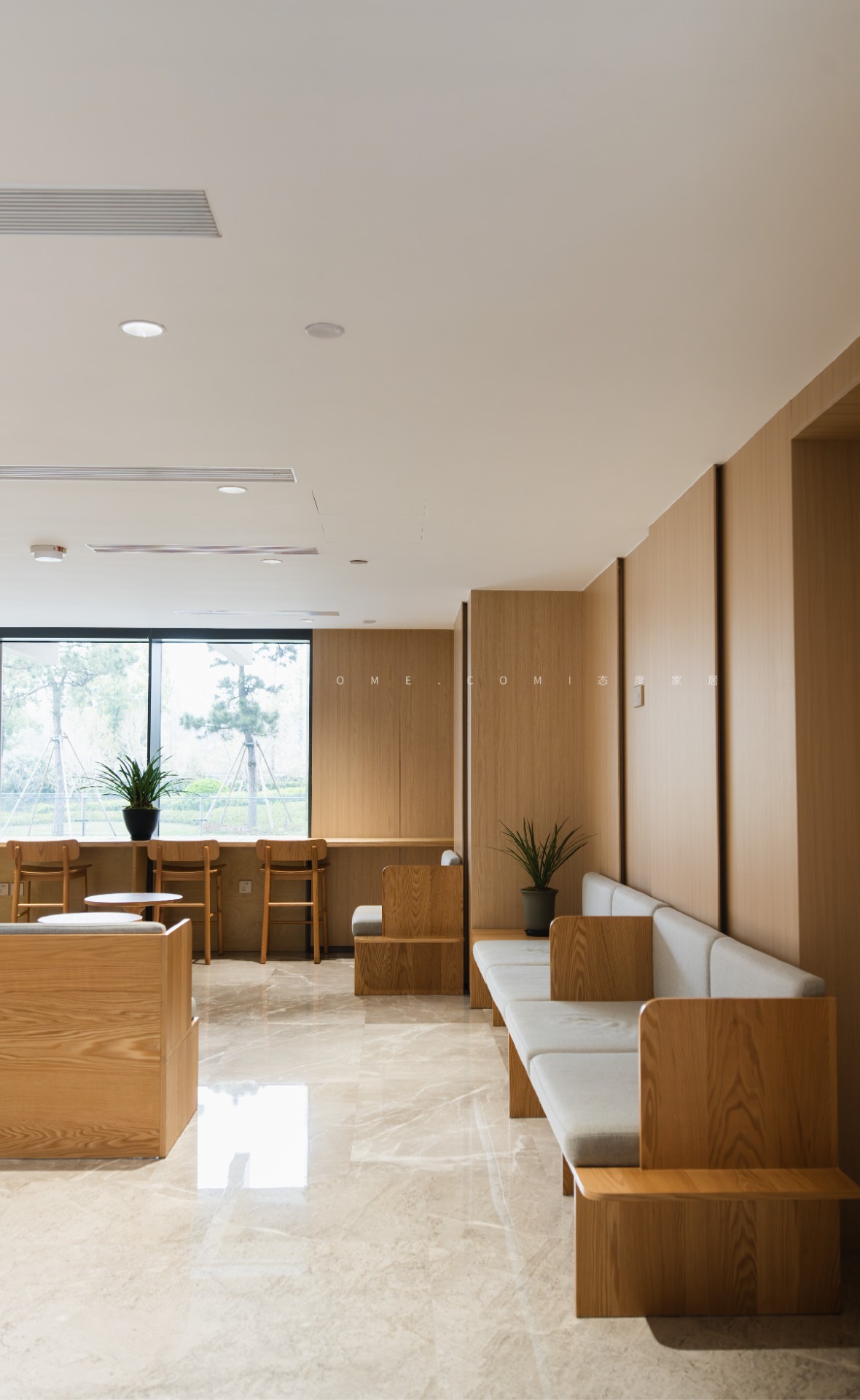
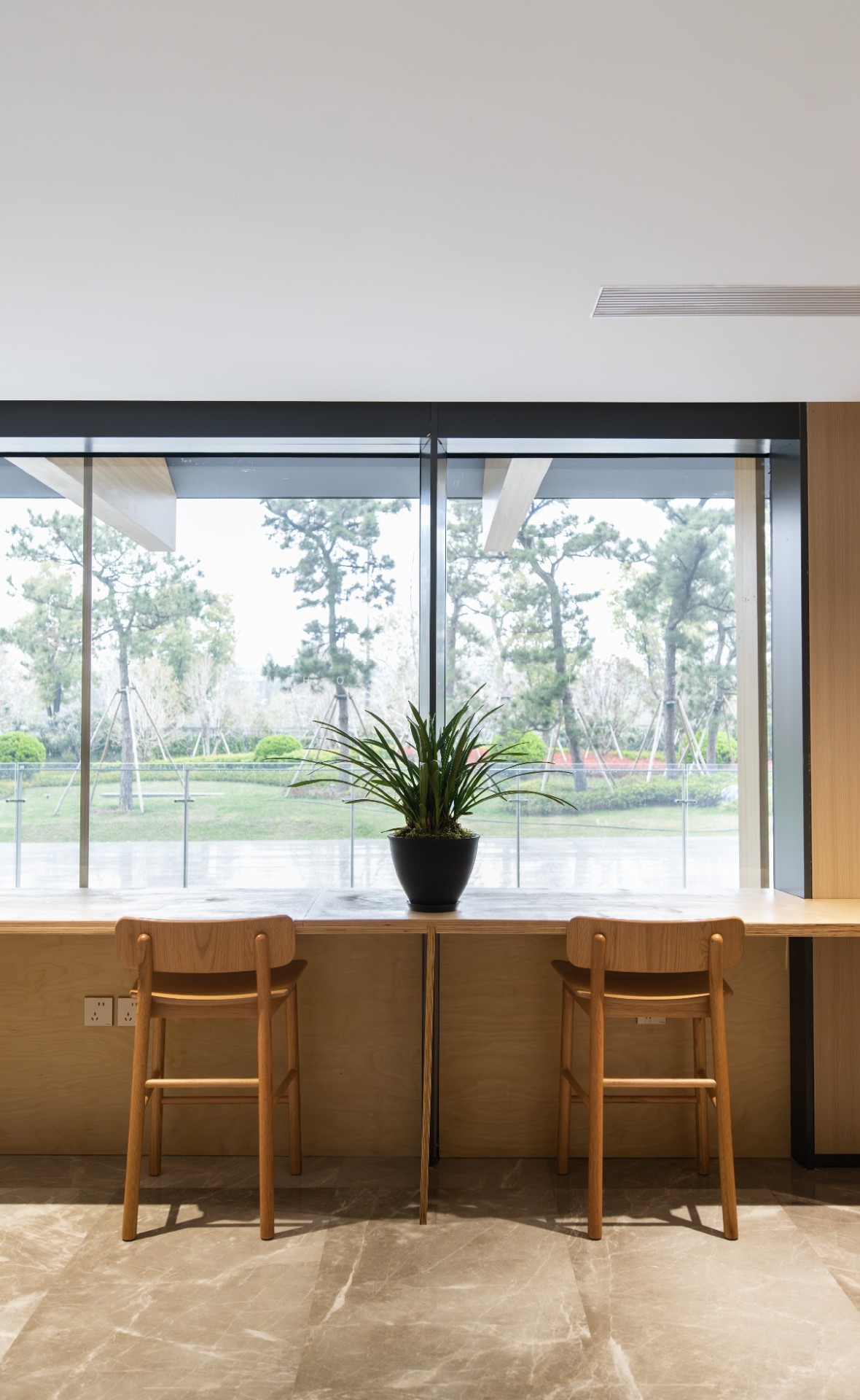
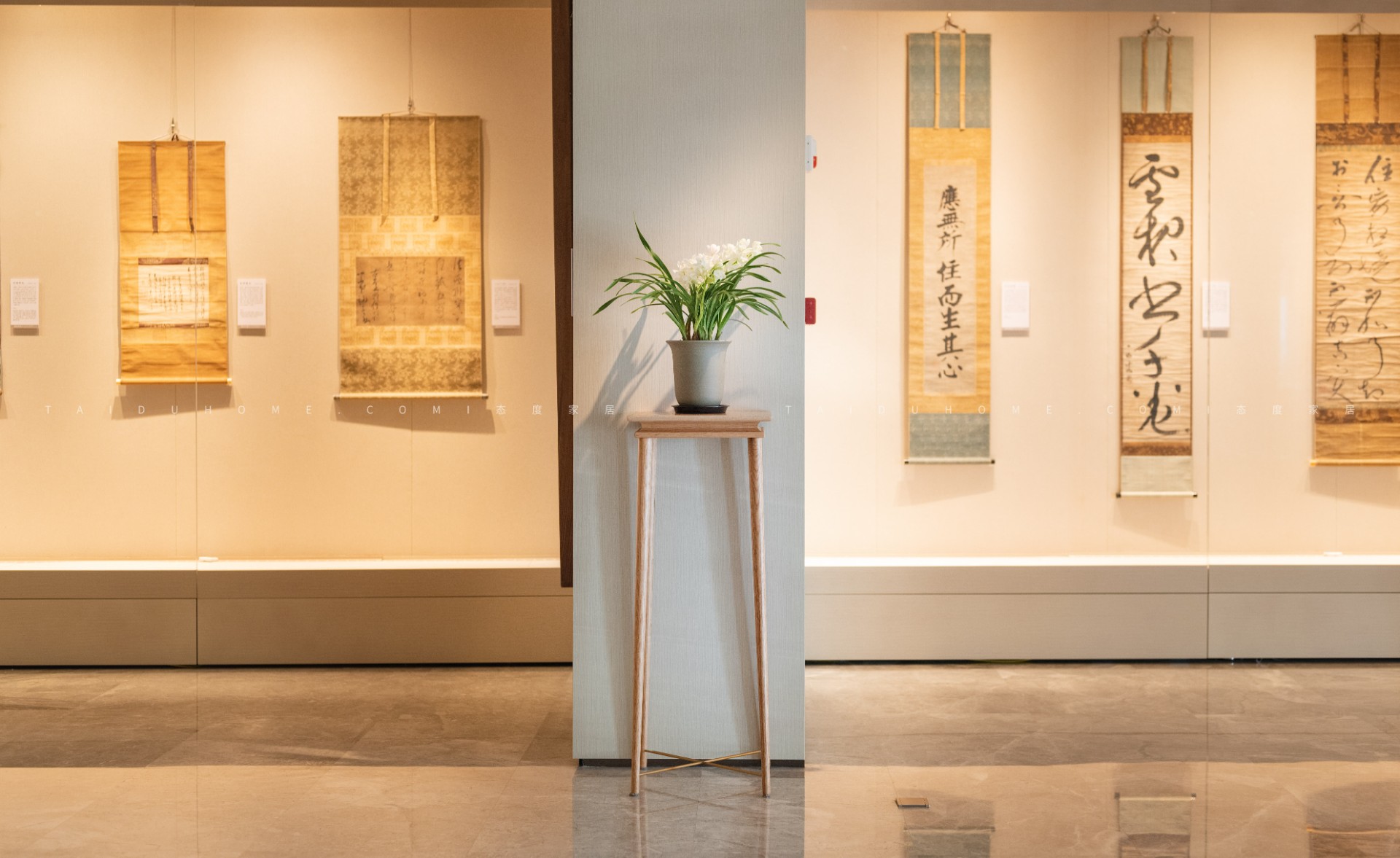
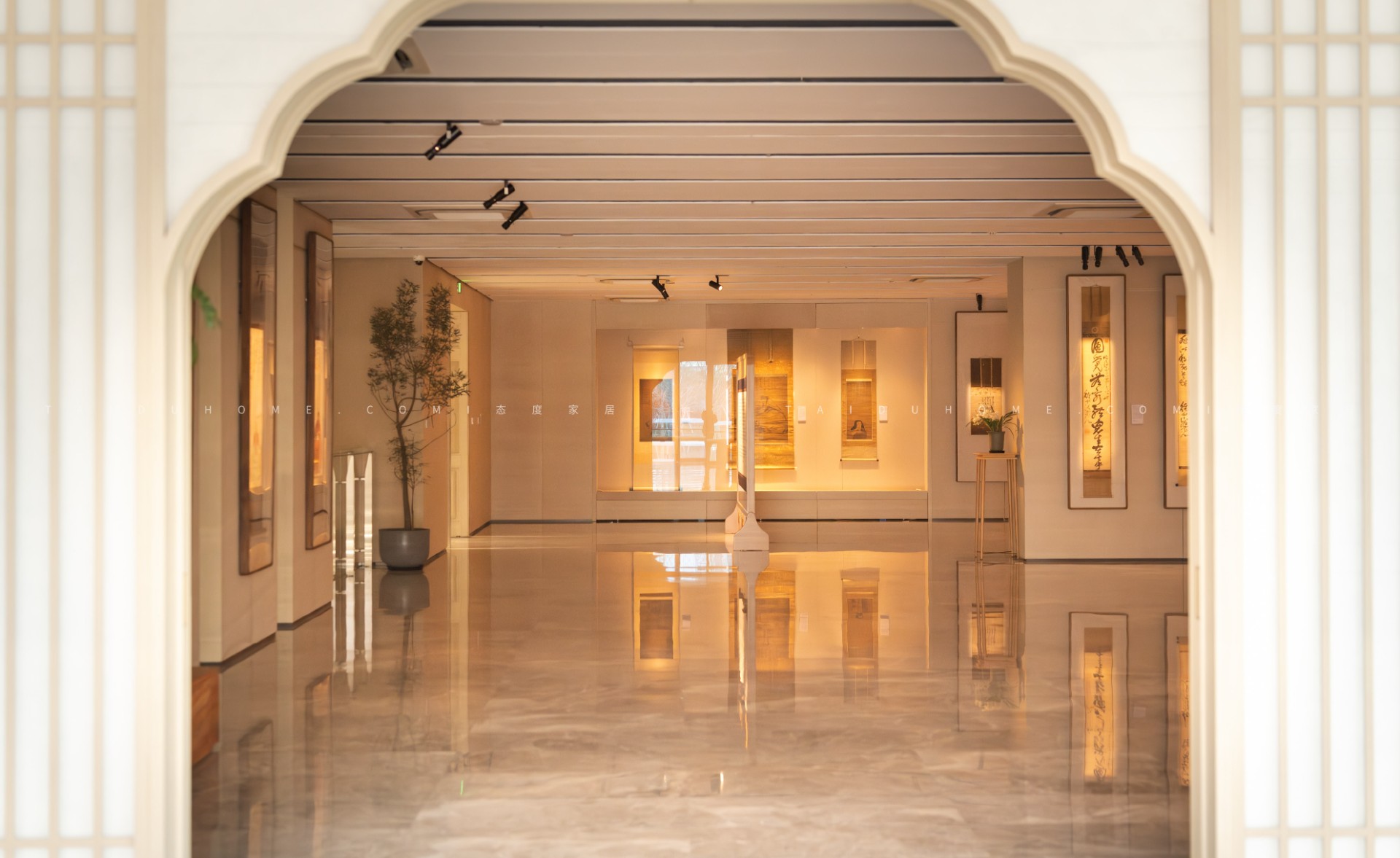
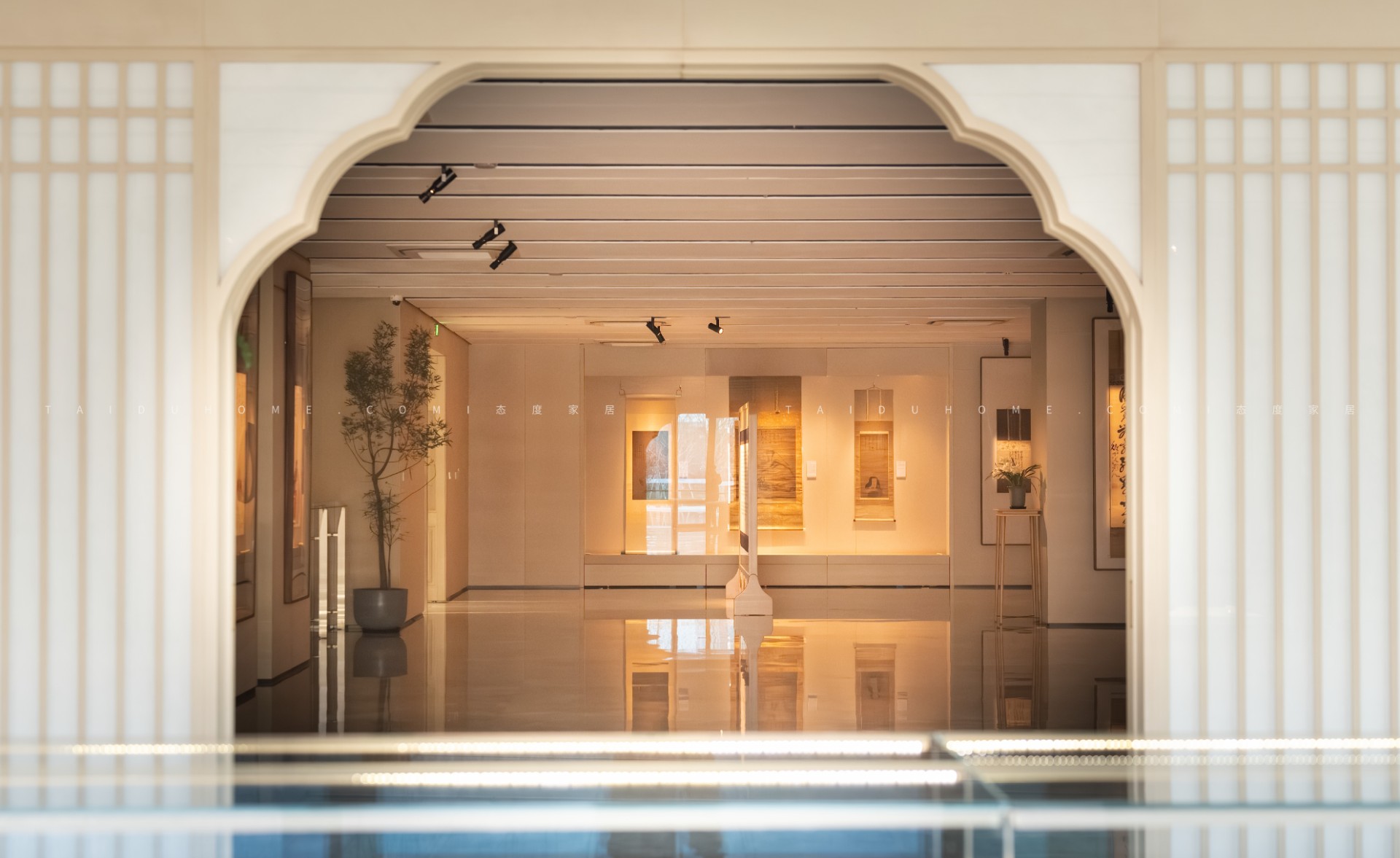
从“下沙咸水庙”到“潮音禅院”,延续的从来不只是空间。那是对自然的依附,对信念的寄托,也是对当下生活的一种回应。在这里,山不只是山,水亦不止于水。它们成为一种关系,一种秩序,一种安放心绪的方式。建筑退后,光影浮现,器物沉静,人于其间,心自澄明。
From Xiasha Xianshui Temple to Chaoyin Zen Monastery, what has been carried forward is never just the space itself. It is an attachment to nature, a refuge for faith, and a response to the present way of life. Here, mountains are more than mountains, and water is more than water. They become a relationship, a order, a means to settle the mind. The architecture recedes, light and shadow emerge, objects remain tranquil, and amid it all, the human heart finds clarity.
业主方:杭州国际佛教文化交流中心 / 建筑空间设计:隈研吾设计团队、中国美术学院建筑艺术学院、造园建筑
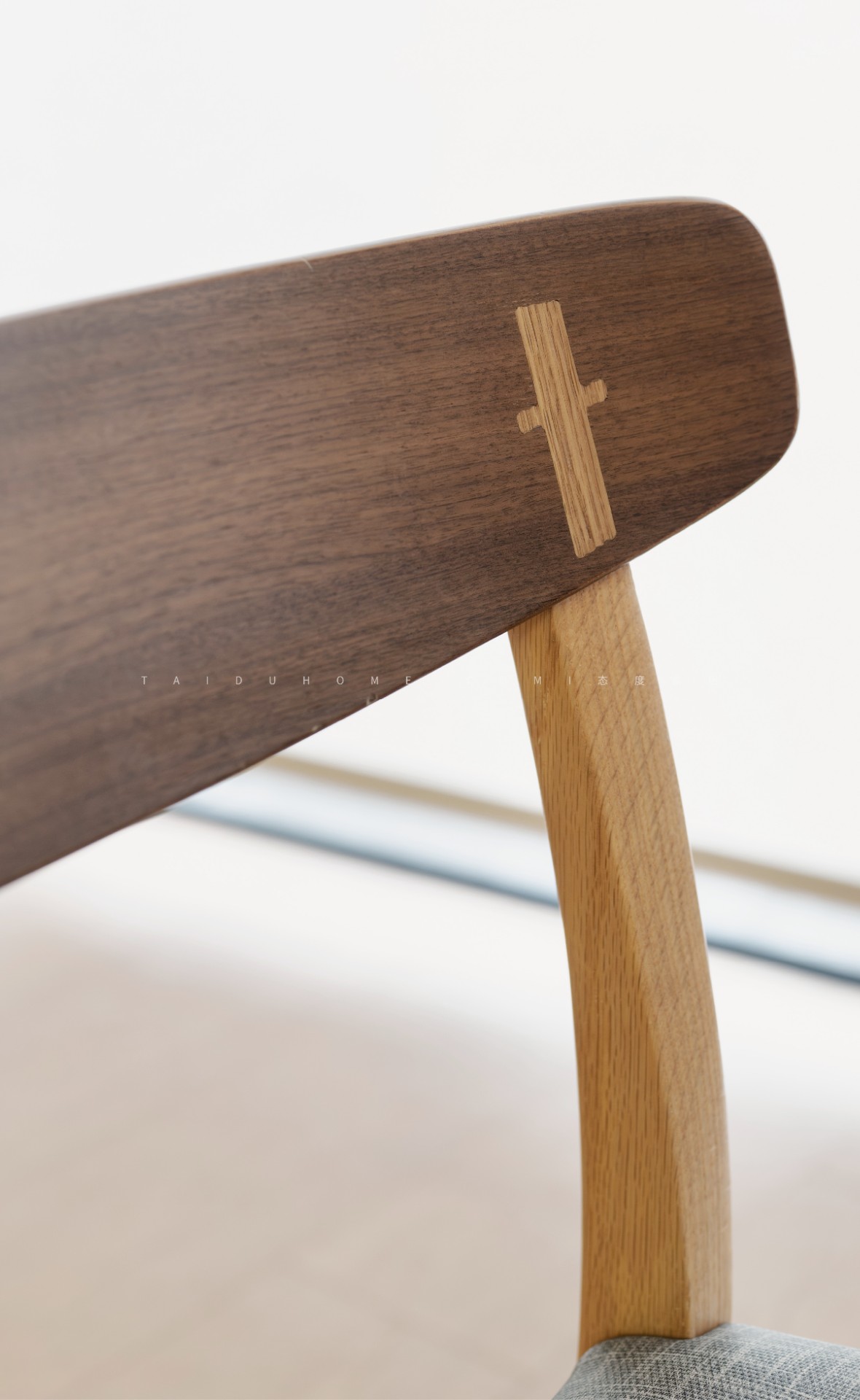
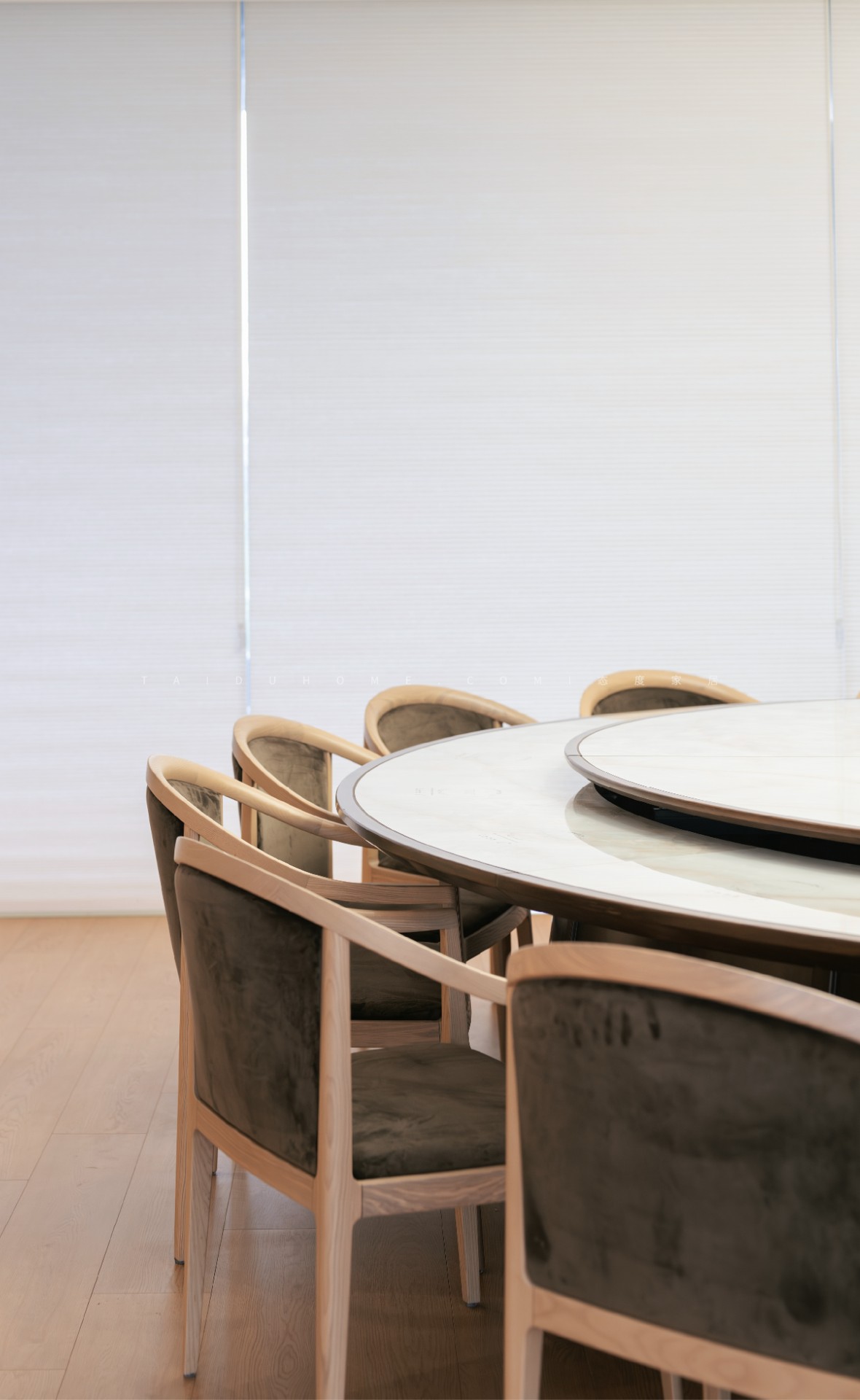
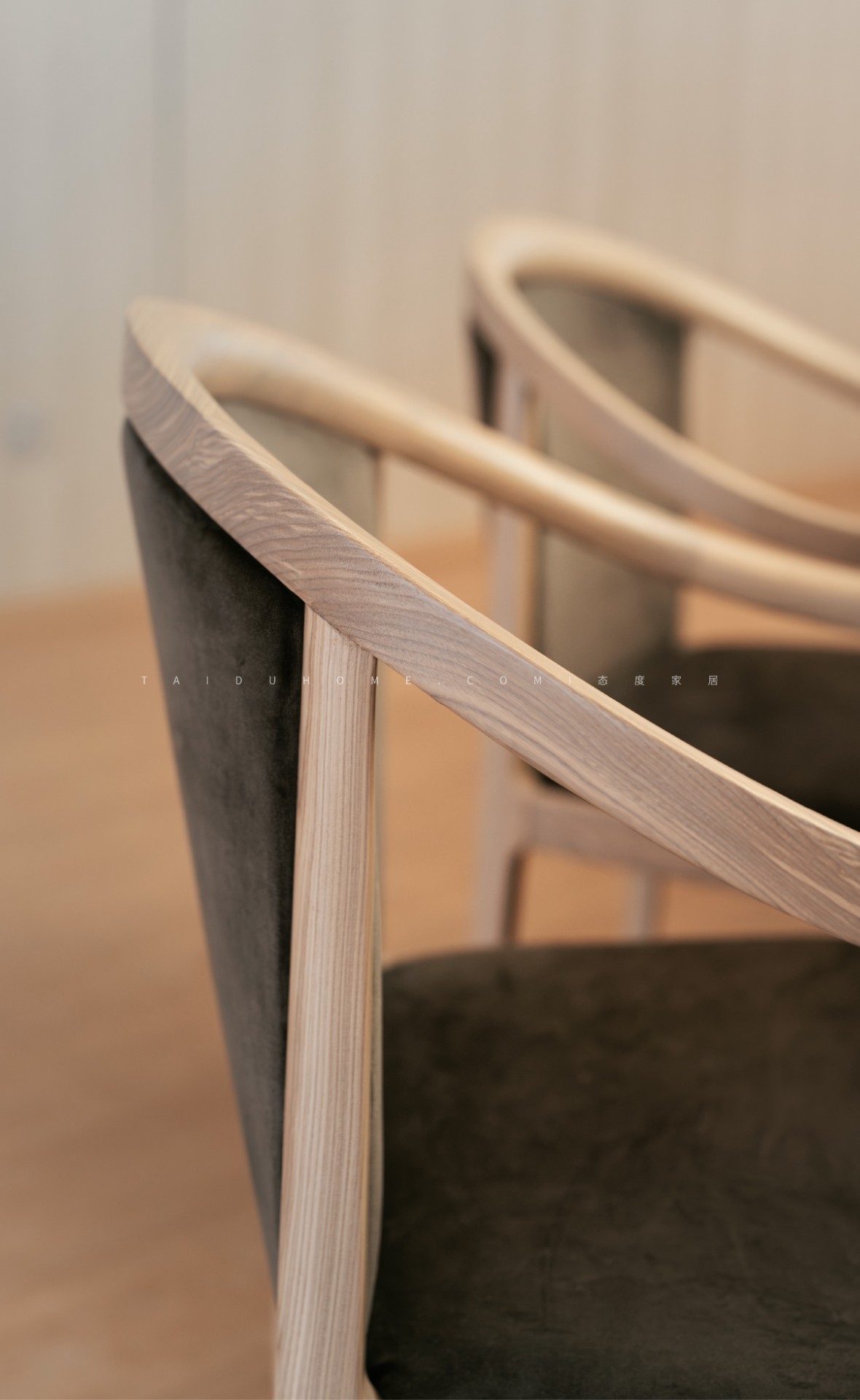
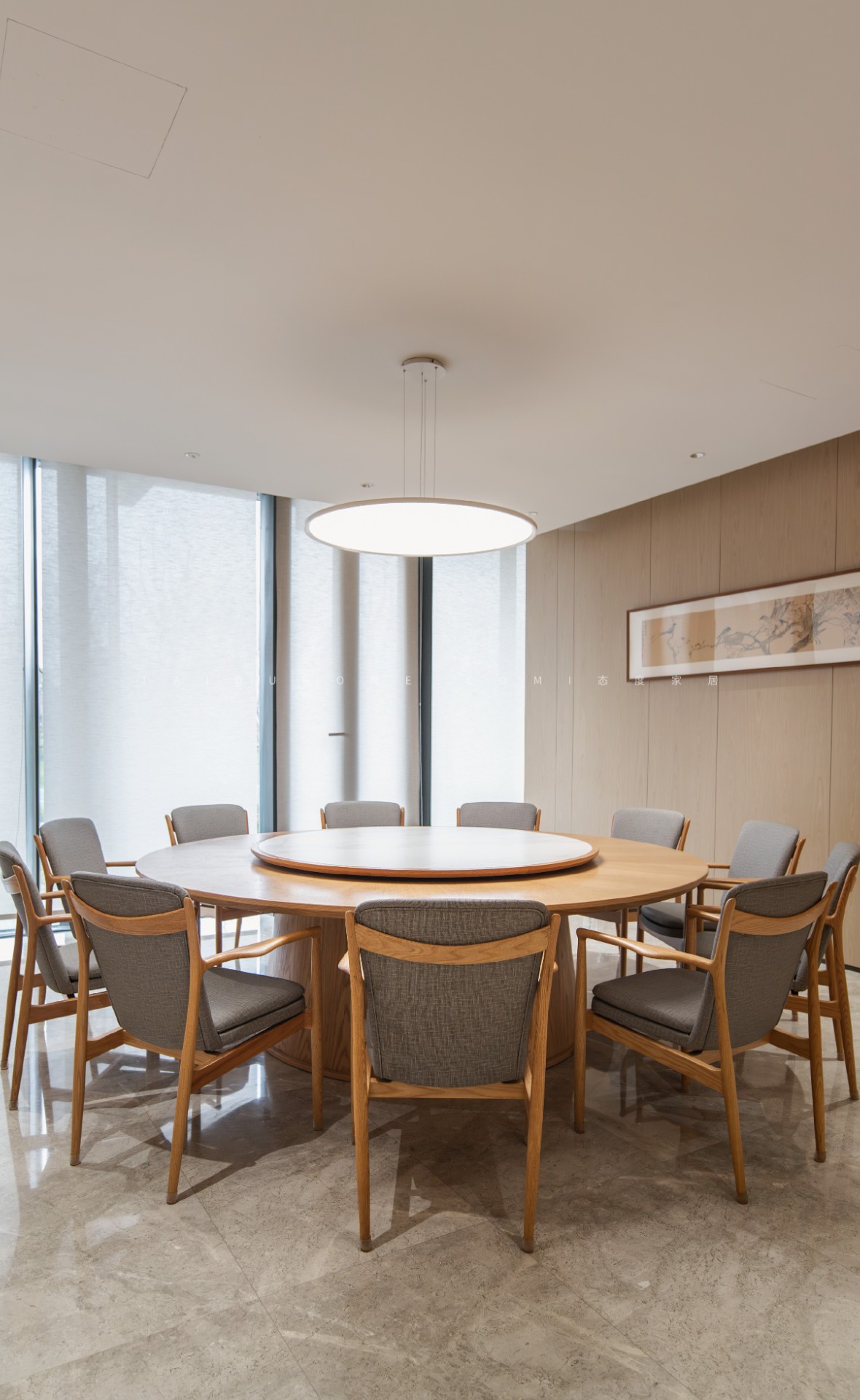
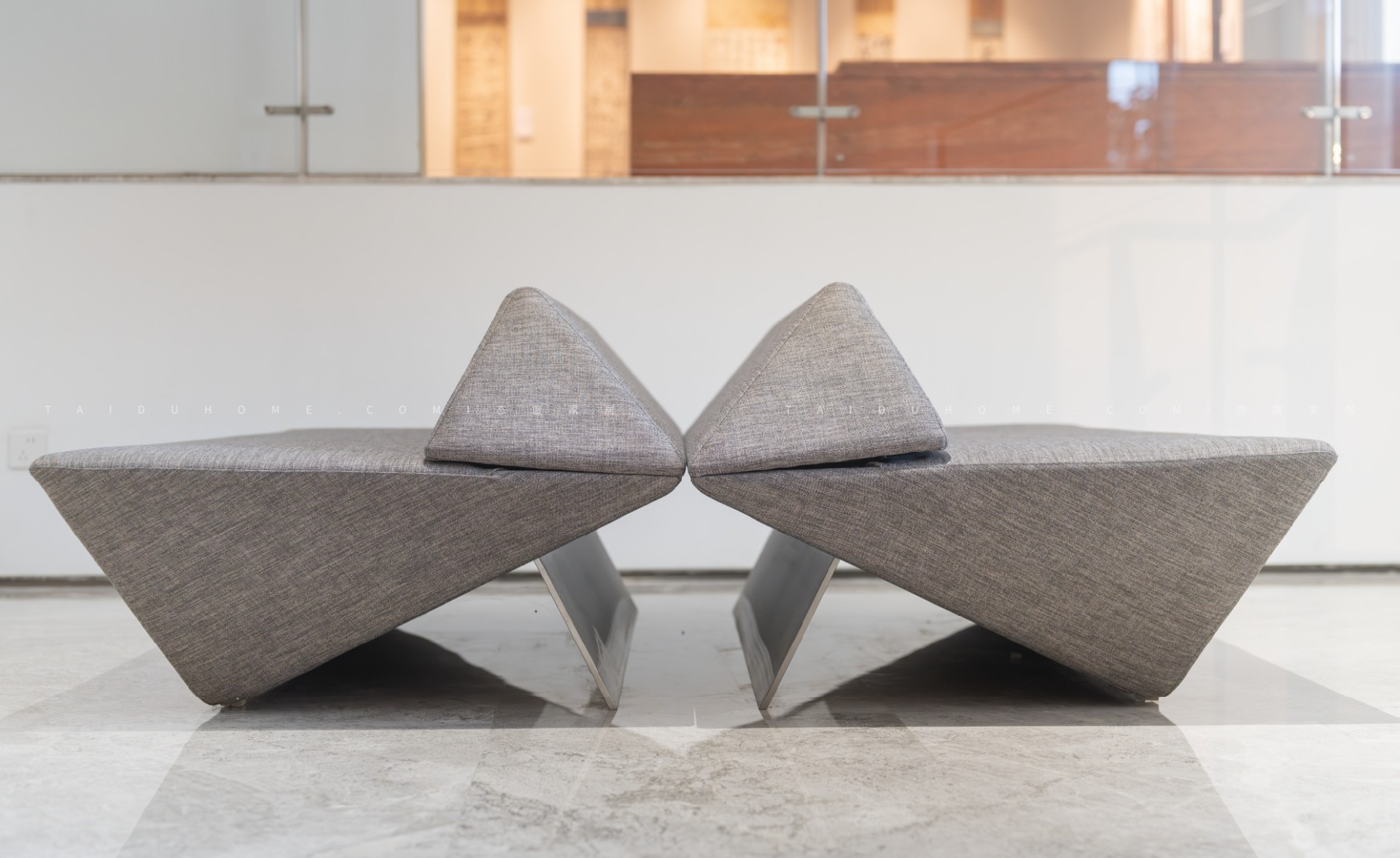
家具提供:态度家居